
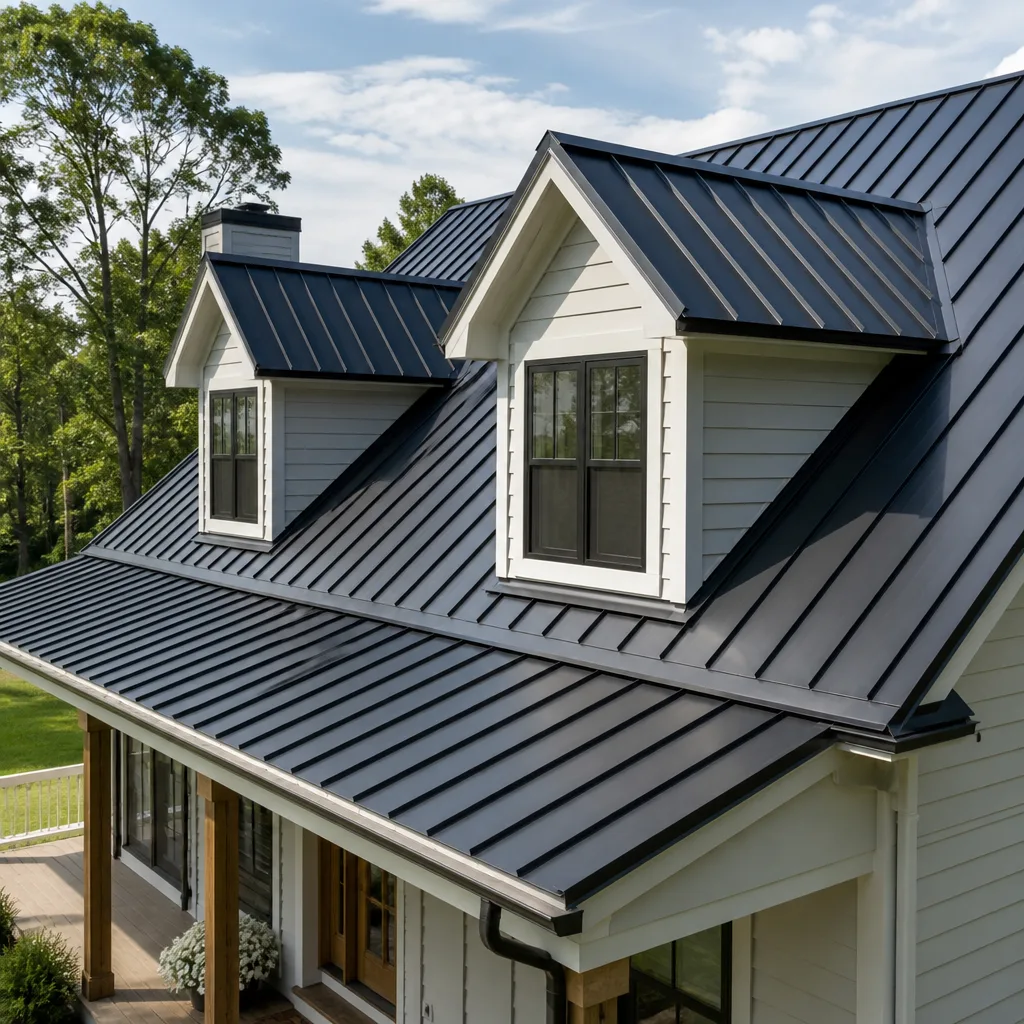
 Metal roofing
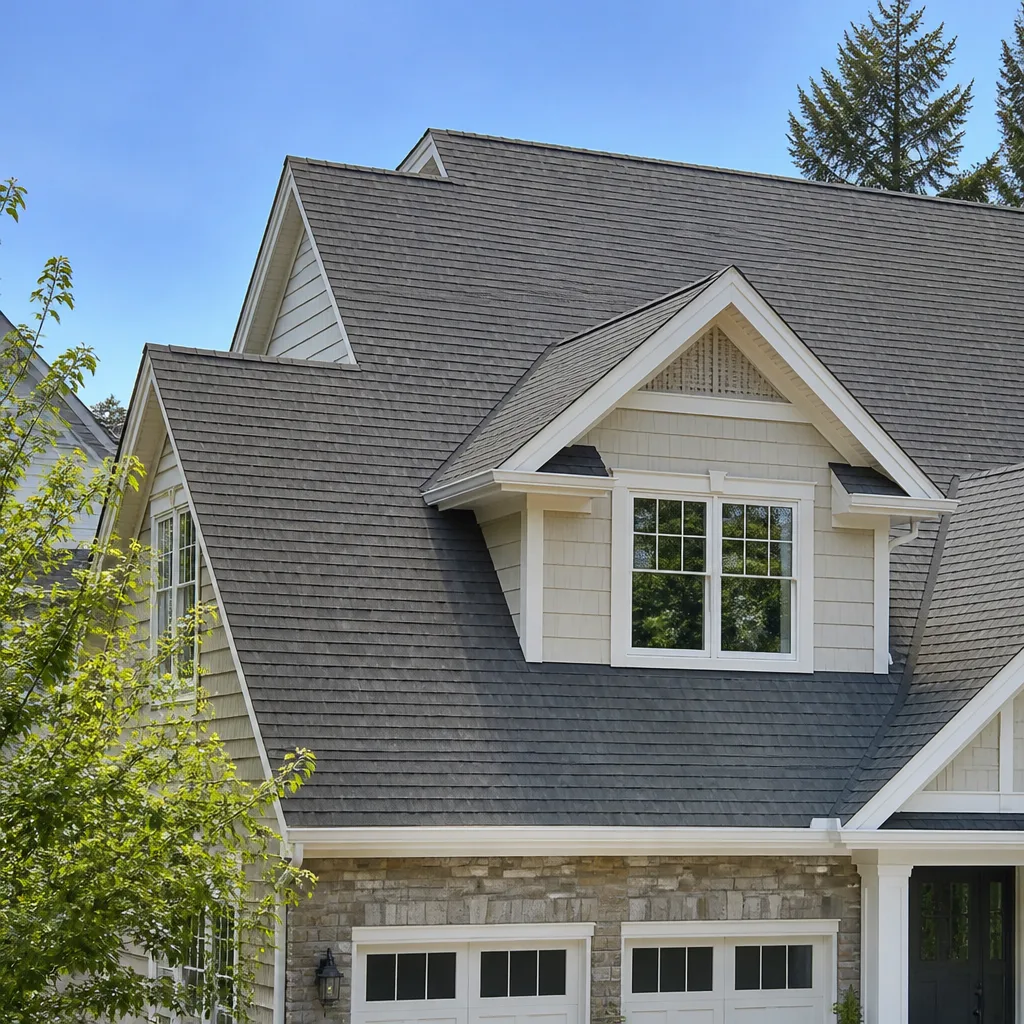 Architectural shingles
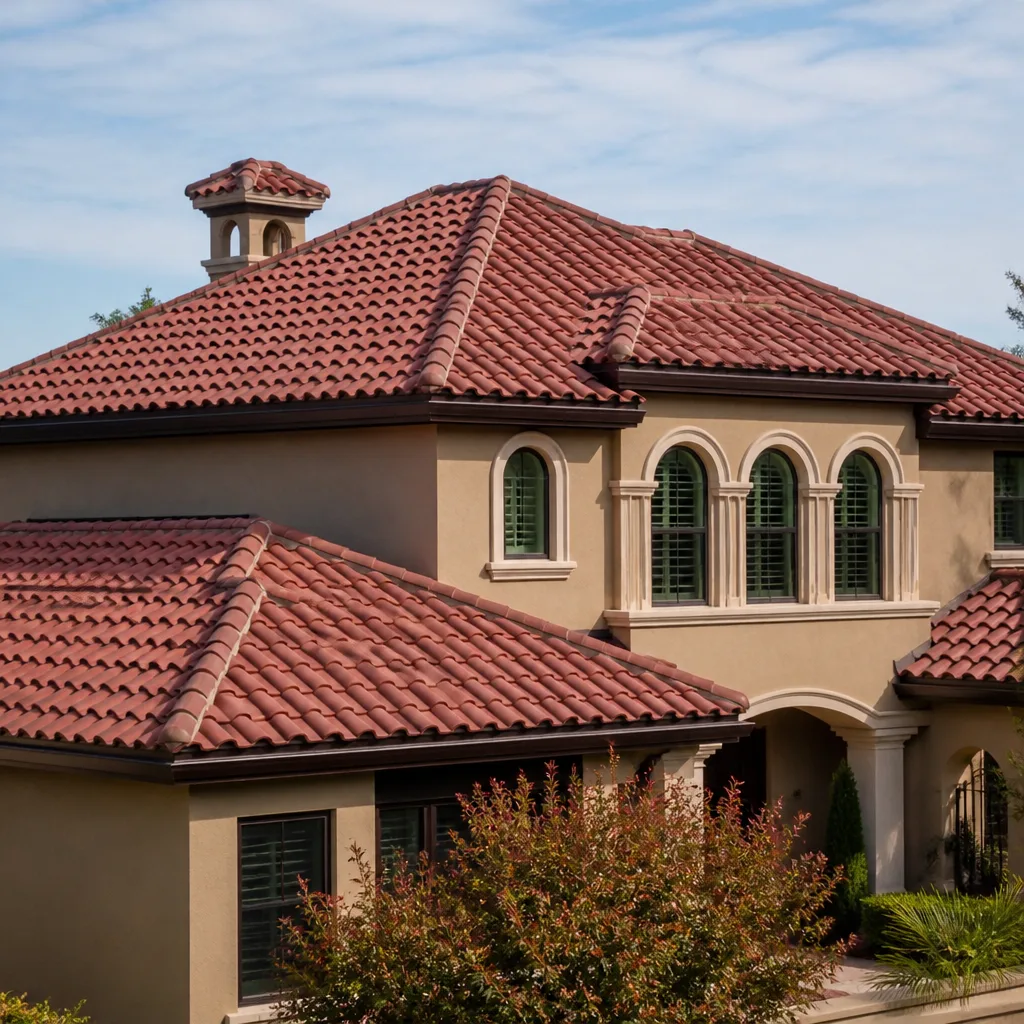 Tile roofing
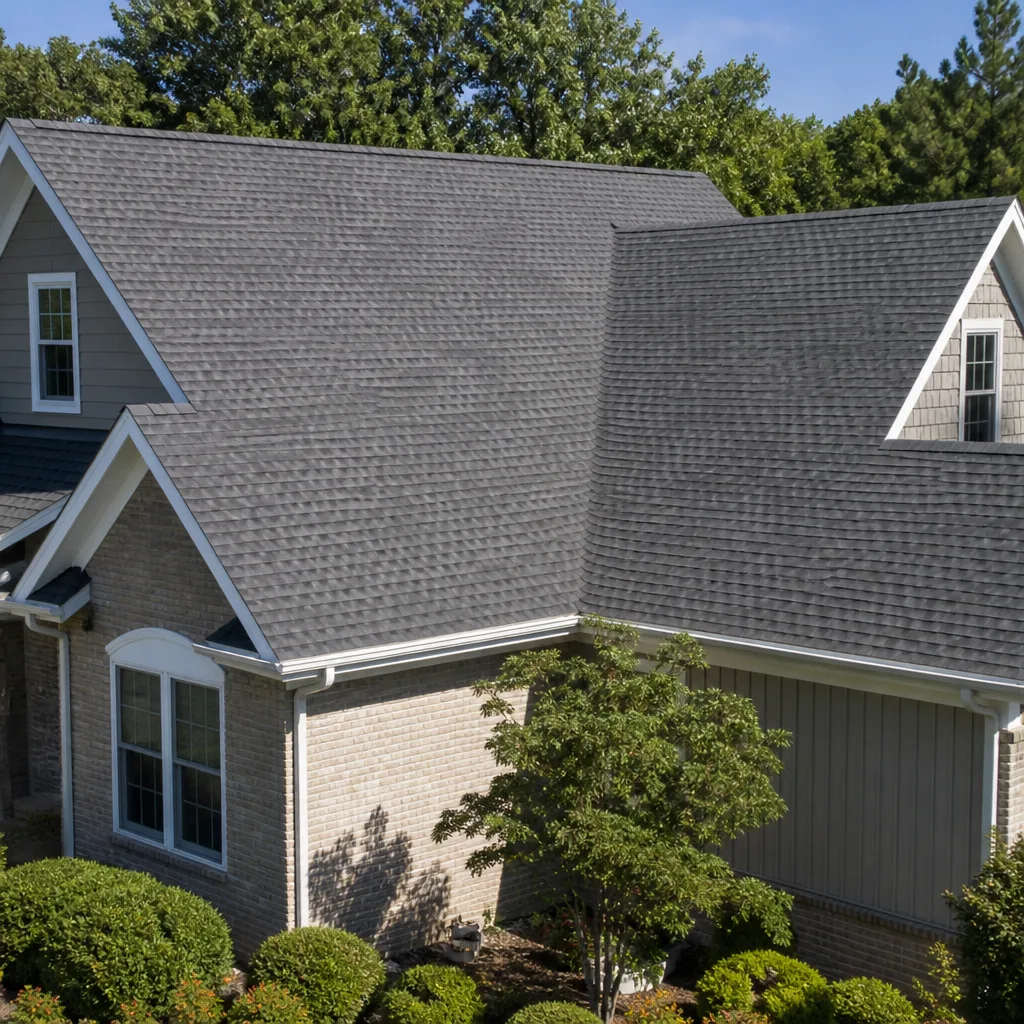 GAF
GAF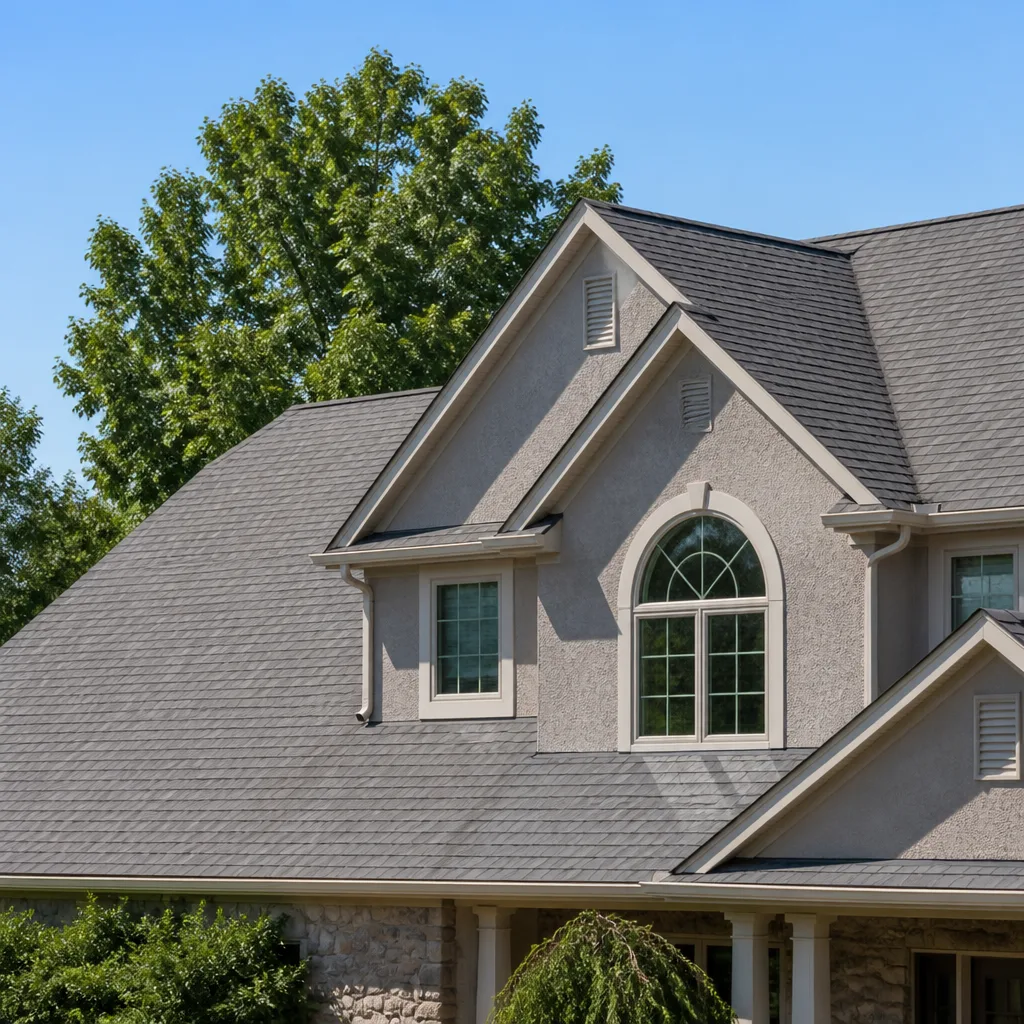 Owens Corning
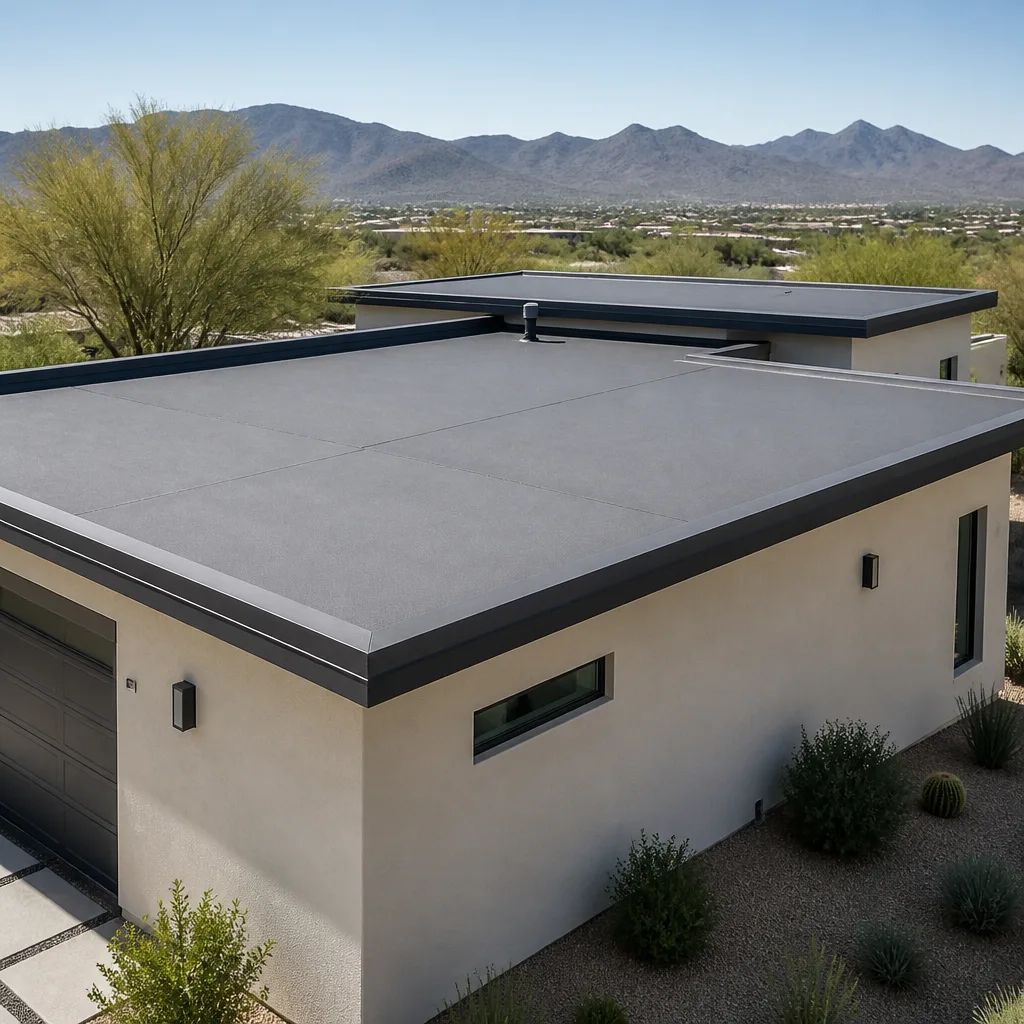 Flat & low-slope
Free roof inspection with deck photos before we talk money - GAF and Owens Corning certified installation
Boral Ridge Vent Installation: The Jacksonville Owner’s Guide
Boral ridge vent installation in Jacksonville typically runs $850 to $1,400 for a full replacement on a standard single-family home, and we stock Boral-compatible materials on our trucks, so most jobs are completed the same day we arrive. You’ll usually discover the problem the same way every Jacksonville homeowner does: a shingle near the ridge line looks lifted after a summer thunderstorm, or you spot water staining on the ceiling just below the peak of the roof. The ridge vent is the exhaust half of your attic ventilation system, and when it fails, heat and moisture have nowhere to go. That trapped humidity is what eats at your roof decking from underneath, long before you see damage from above.
We’re an independent roofing company in Jacksonville, not affiliated with Boral. That means we can give you straight answers about what’s actually wrong and what it costs to fix. Erik Lindgren and our crew install Boral ridge vent replacements, and we handle the surrounding ridge cap shingles the same visit, because a new vent on old, cracked ridge caps is a leak waiting for the next northeast Florida downpour.
Key Takeaways
- Boral ridge vent replacement in Jacksonville: $850 to $1,400 installed, depending on linear footage and ridge cap condition
- Most failures are from clogged baffles or broken nail flanges after years of heat cycling, not from the vent material itself
- We stock Boral-compatible low-profile ridge vent on the truck, so there’s rarely a second trip
- You’ll have the price in writing before we touch a shingle
Which Boral Models This Applies To
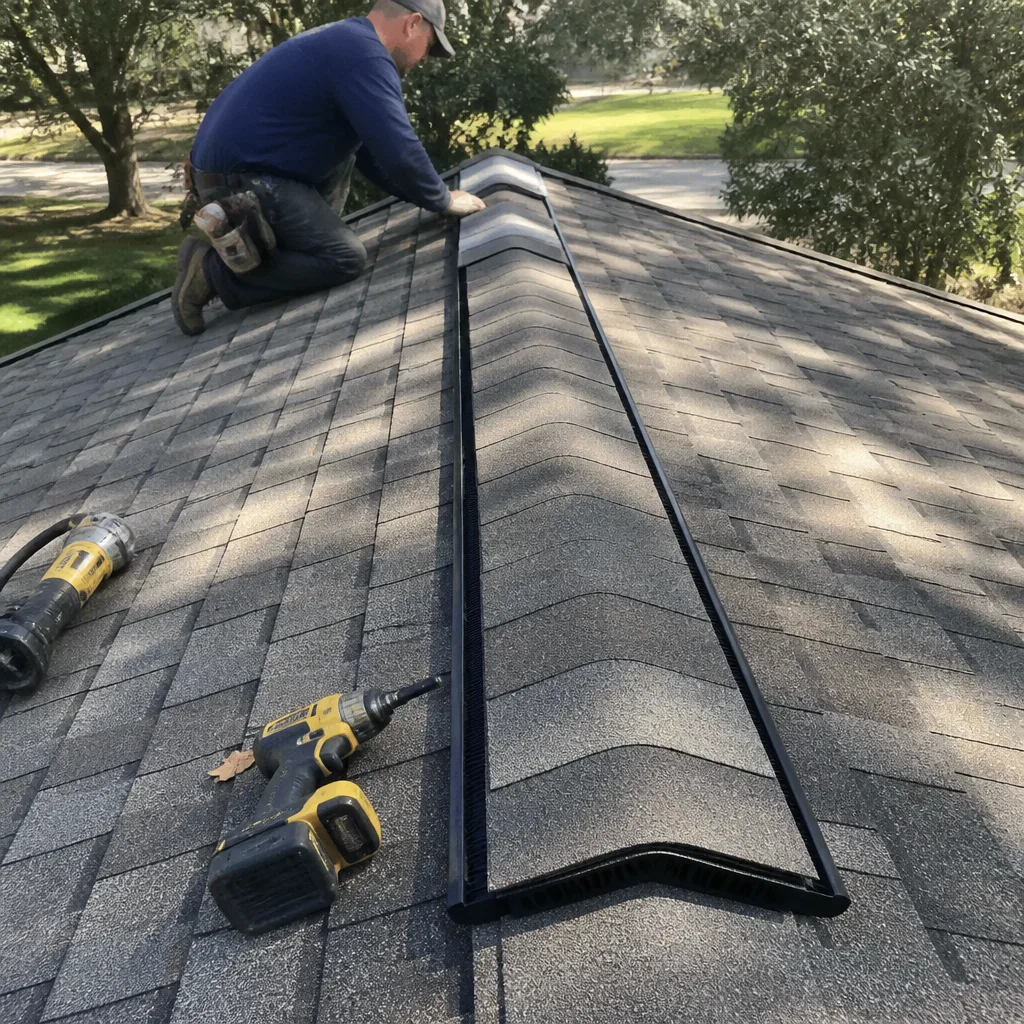
Boral’s ridge vent line for residential roofs comes in two main profiles we work with regularly in Jacksonville: the low-profile 4-foot roll vent with an internal baffle system, and the slightly taller profile intended for steep-slope applications, typically on homes with tile or heavy architectural shingles. The low-profile version is far more common around Arlington, Ortega, and the Beaches, because it sits tight against the ridge and disappears under the cap shingles.
The compatibility gotcha most homeowners miss: Boral ridge vent is designed to work with Boral’s specific cap shingle adhesive and nail pattern. A previous roofer may have installed a generic vent and capped it with mismatched shingles, which is why you’ll see curling edges or exposed nail heads along the ridge line. That’s not a brand failure; it’s an installation shortcut.
When you want to verify what’s on your roof, look for a label printed on the underside of the vent material itself, typically visible from the attic if your roof decking is exposed at the ridge. The Boral ridge vent is marked with a model code and the roll width: 11.5 inches for the low-profile and 11.75 for the steep-slope. Without attic access, our technician can identify it from the roof in minutes.
For Boral specifically, we recommend staying with OEM ridge vent rather than generic aftermarket equivalents. The vent profile matches Boral cap shingle dimensions, so the lay lines and adhesive strips actually seat the way they’re supposed to. Generic vent can leave a small gap at the cap shingle edges, and in a northeast Florida summer, that gap turns into a water entry point during driving rain off the Atlantic.
Styles & brands we work with
Signs Your Boral Ridge Vent Installation Is Failing
- Water staining at the ceiling peak or on interior walls near the ridge. This usually means the nail flange has cracked and the vent material is no longer sealed under the cap shingles. Jacksonville afternoon storms push wind-driven rain sideways, and an unsealed ridge line is the first place it gets in.
- Visible lifting or buckling of cap shingles along the ridge. When the vent underneath deforms from trapped heat, it pushes upward on the cap shingles. You’ll notice the ridge line doesn’t sit flat the way it used to, often most obvious after extended heat waves.
- Granules accumulating in gutters directly below the ridge. The ridge caps wear faster than field shingles because they take the brunt of UV exposure at the roof’s highest point. If your gutters are filling with dark granules right under the peak, the ridge caps are reaching the end of their life, which often coincides with vent failure underneath.
- Attic feels like a sauna and your AC runs constantly. A blocked or collapsed ridge vent starves the attic of exhaust airflow. The stagnant heat radiates down into the living space, and your HVAC works overtime all summer while the attic pushes past 140 degrees.
- You can hear the ridge vent flap during wind events, or see daylight through the ridge from inside the attic. Either condition means the vent structure has separated. Daylight at the ridge is an open channel for rain, and it will not seal itself.
See the difference
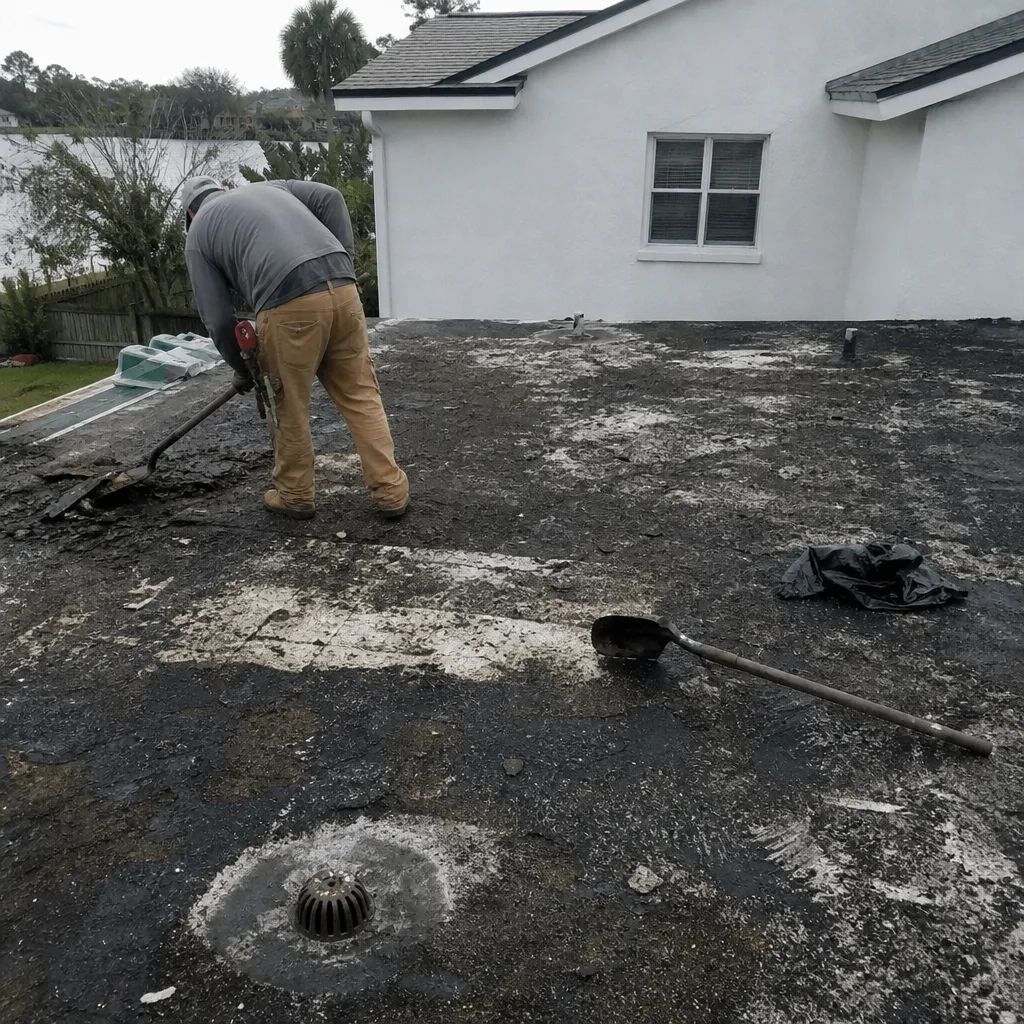 Before
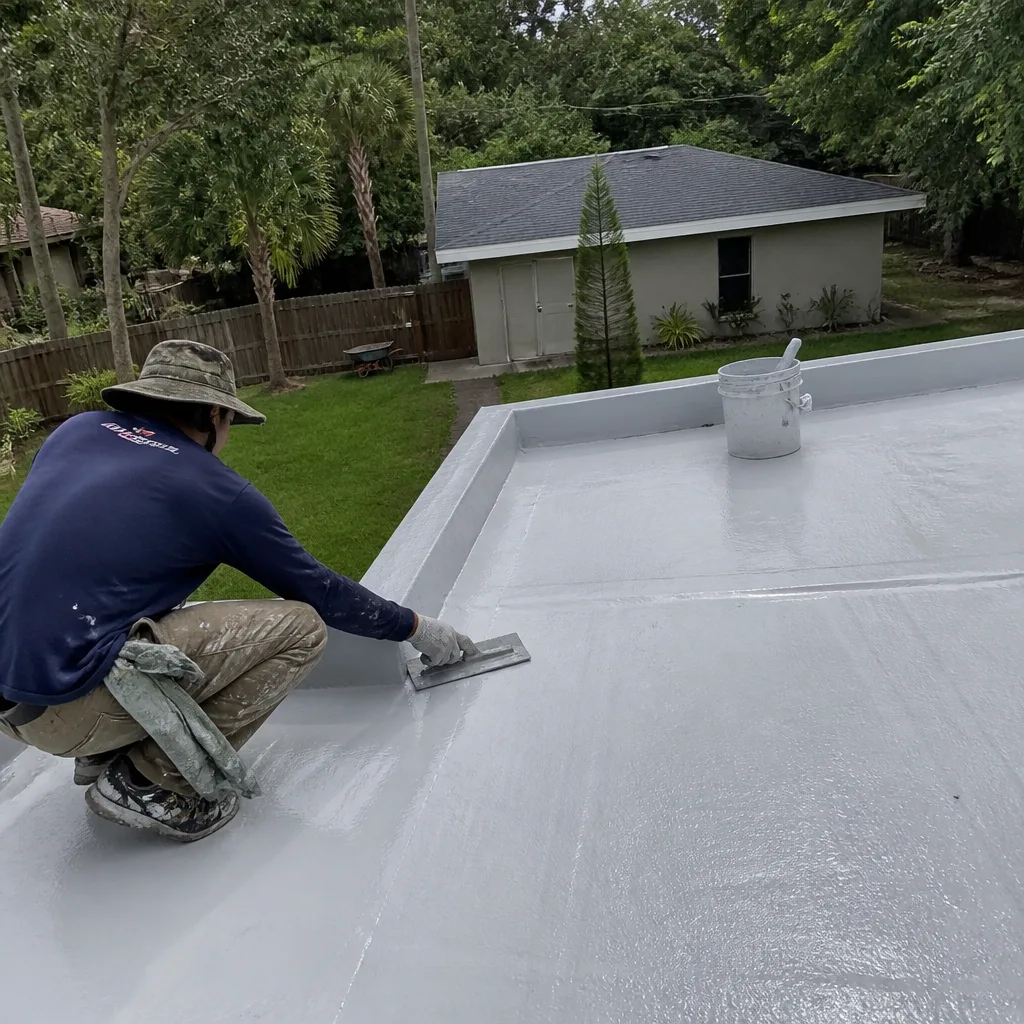 After
After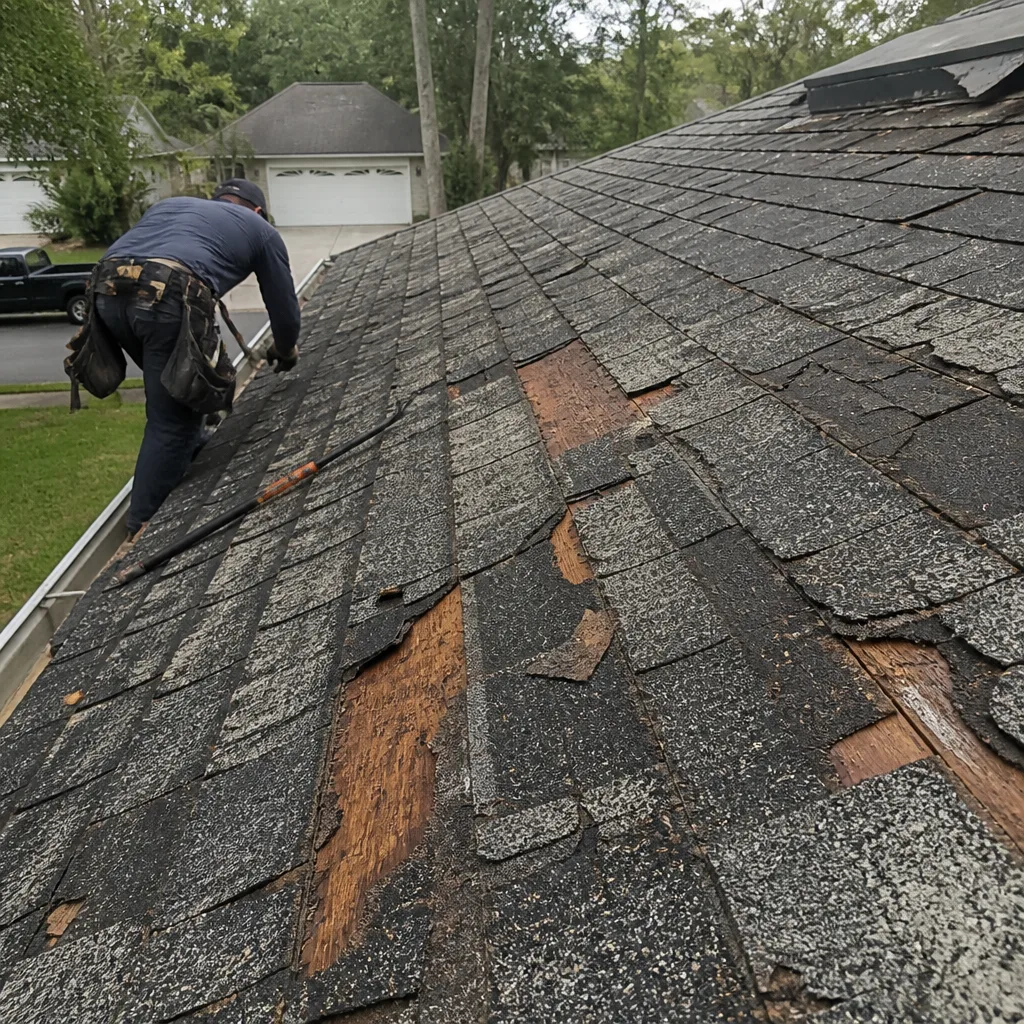 Before
 After
After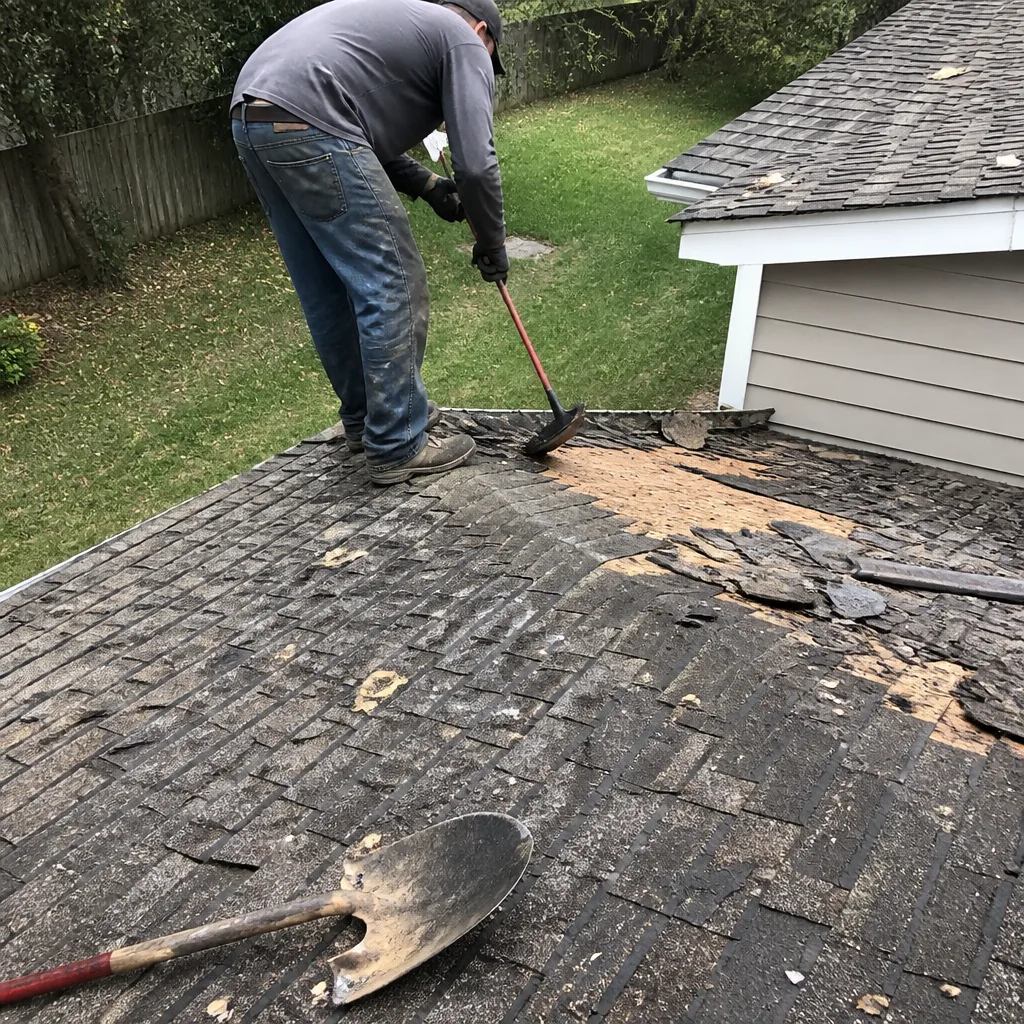 Before
 After
AfterReplacement Cost & What’s Included
In Jacksonville, Boral ridge vent replacement pricing breaks down like this:
- Standard single-story ranch or modest two-story, up to 40 linear feet of ridge: $850 to $1,100 installed
- Larger or more complex roof lines, 40 to 75 linear feet: $1,100 to $1,400 installed
- Steep-slope tile or heavy architectural profiles: $1,300 to $1,700 installed due to access and safety setup
The range comes mostly from three things: how much linear footage of ridge you actually have, whether the existing cap shingles can be reused or need replacing, and roof pitch. A 6/12 roof is easy walking for our crew; a 9/12 means safety equipment and slower work, but not a different part.
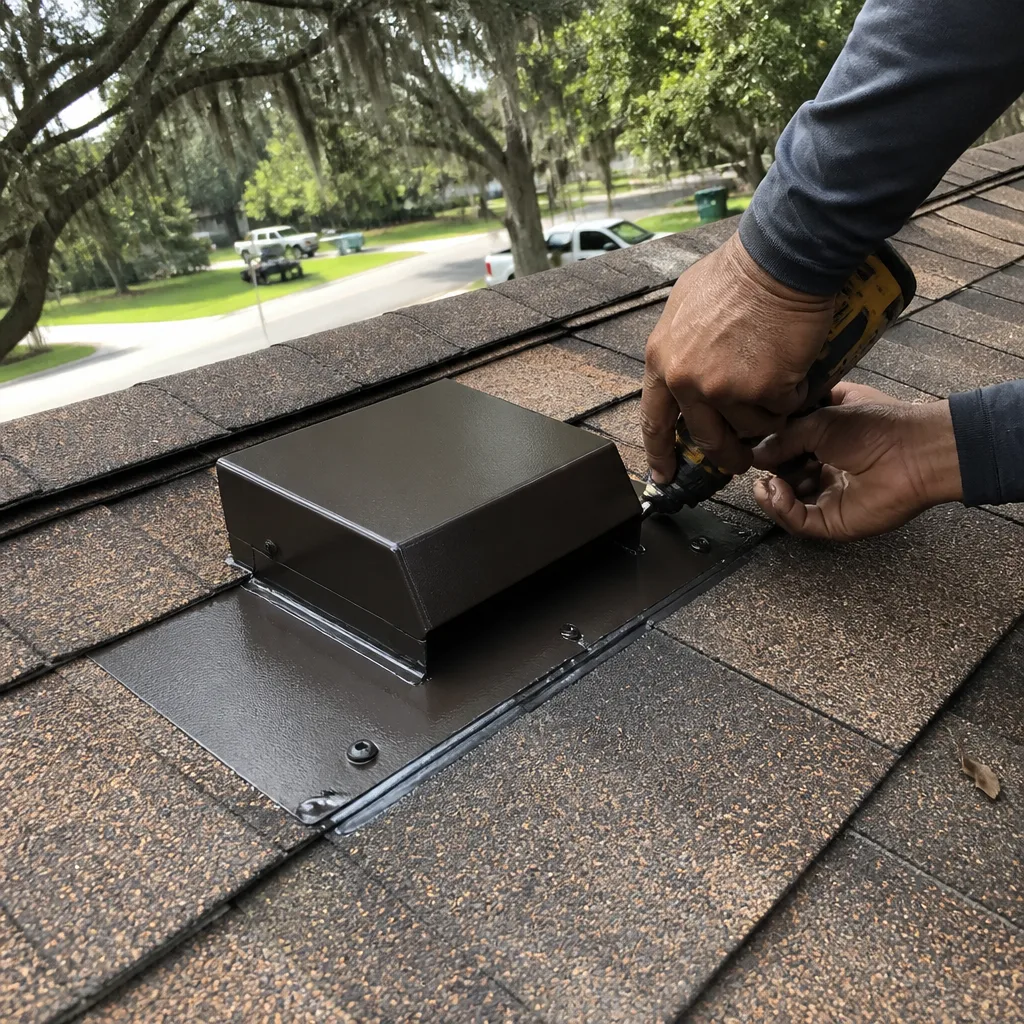
Every Boral ridge vent quote from Birchbark Roofing Jacksonville includes the vent material, new cap shingles where needed, nails, adhesive, removal and disposal of the failed material, and a written line-item price before we start. No change orders, no “we found something else” add-ons. And the install is covered by our 365-Day Done Right Promise: if the ridge vent isn’t right a month or a season later, we make it right.
DIY or Call Us?
What a homeowner can safely check: look at your ceiling near the ridge line after a rain, check the attic for daylight at the ridge, and inspect the ground near your downspouts for excessive granules. Those observations help you tell us what you’re seeing, and they cost nothing.
What we don’t recommend: pulling cap shingles and vent material off the ridge yourself. Ridge work means standing at the highest point of the roof, working along a slope where a loose shingle or a wet spot sends your footing out from under you. The tooling is specialized, the adhesive sealing has to be correct the first time, and an improperly sealed ridge vent doesn’t fail like a small leak; it channels water along the entire ridge line and into the attic before you notice.
We wear harnesses and tie off when the pitch calls for it. You shouldn’t. If the vent is failing, call us at (904) 604-7914. We’ll walk the roof, show you what we found, and you’ll have a price in writing before any work starts.
FAQs
A properly installed Boral ridge vent should last 15 to 20 years in Jacksonville, but the Florida sun and salt air near the Beaches can shorten that toward the 12 to 15 year mark. The vent material itself doesn’t rot or rust; what degrades first is the nail flange seal and the cap shingles above it. If your shingles are original and the house is older than 12 years, the ridge vent has likely been compromised. Call (904) 604-7914 and we’ll inspect it for free before you spend money on repairs that don’t address the real issue.
Small nail-flange tears and single-spot adhesive failures can sometimes be resealed and patched, but any vent with cracked baffles, separated seams, or deformation from heat should be replaced as a section, not patched. We’ll tell you which one you have after we look at it. If repair is honest, we’ll price it that way. If replacement makes more sense, we’ll show you why on the roof, not from a clipboard.
A typical Boral ridge vent replacement in Jacksonville takes four to six hours from setup to final clean-up photograph. The work itself is straightforward, but sealing the ridge caps correctly and making sure the nail pattern lands where Boral’s engineered flanges expect it takes time, and we don’t rush it. Erik Lindgren walks the job with you before we start and again before we leave, so you see the same ridge vent from both sides of the work.
We stock Boral-compatible low-profile ridge vent rolls on our trucks, along with matching cap shingle options in the most common Jacksonville colors: weathered gray, driftwood, and bark brown. For steep-slope tile applications, we order from our Jacksonville supplier and usually have material within two business days. We also stock ridge vent components from GAF, Owens Corning, and CertainTeed for non-Boral roof systems.
If your Boral ridge vent is showing signs of failure or you want a straight answer about what you’re seeing at the roof peak, call us at (904) 604-7914. You’ll get a live person, a free inspection, and a written price before anything gets taken apart. Our crews wear shoe covers at the door, drop cloths through the interior, and they photograph the clean-up before we leave. If the dog needs to stay inside during the work, we’ll coordinate the door schedule so nobody bolts out the front.
Written by Erik Lindgren, Owner, Birchbark Roofing Jacksonville at Birchbark Roofing Jacksonville, serving Jacksonville and nearby areas.