
Last updated October 17, 2026
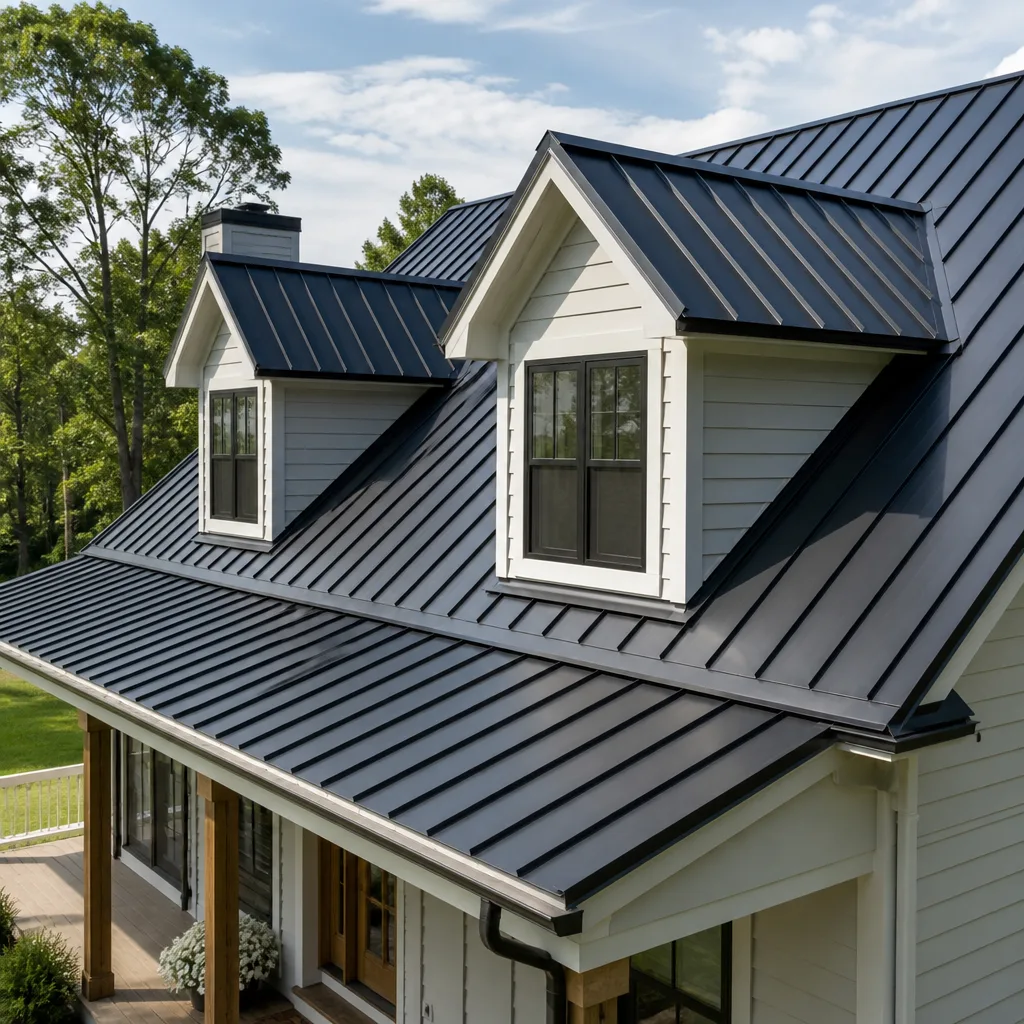 Metal roofing
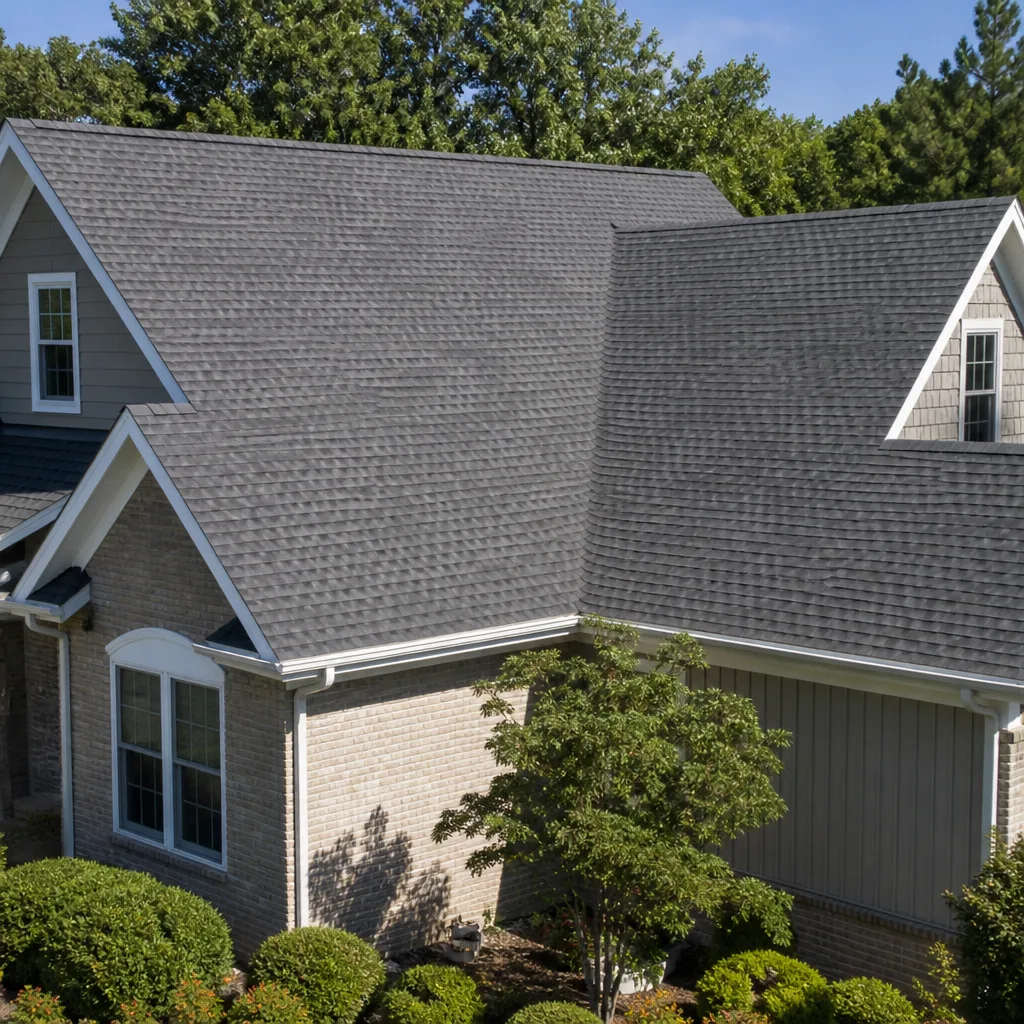
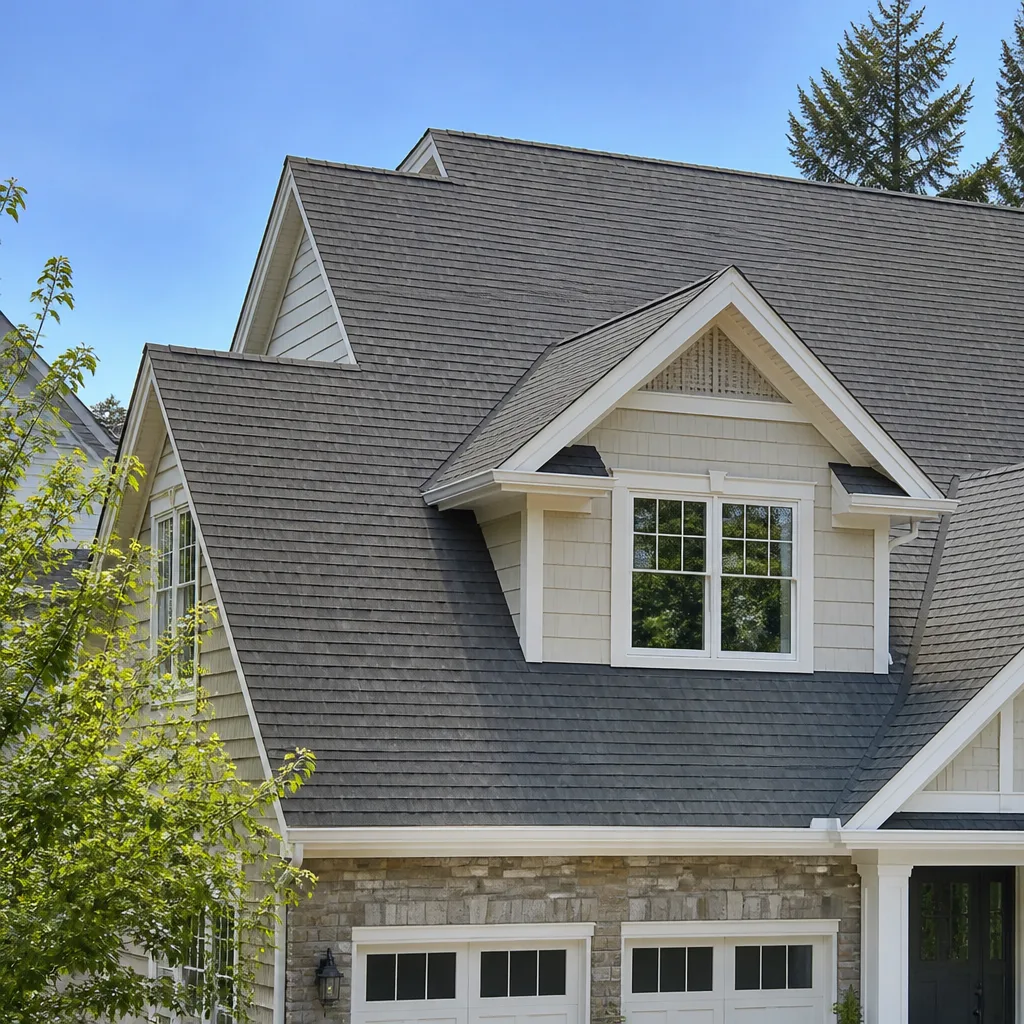 Architectural shingles
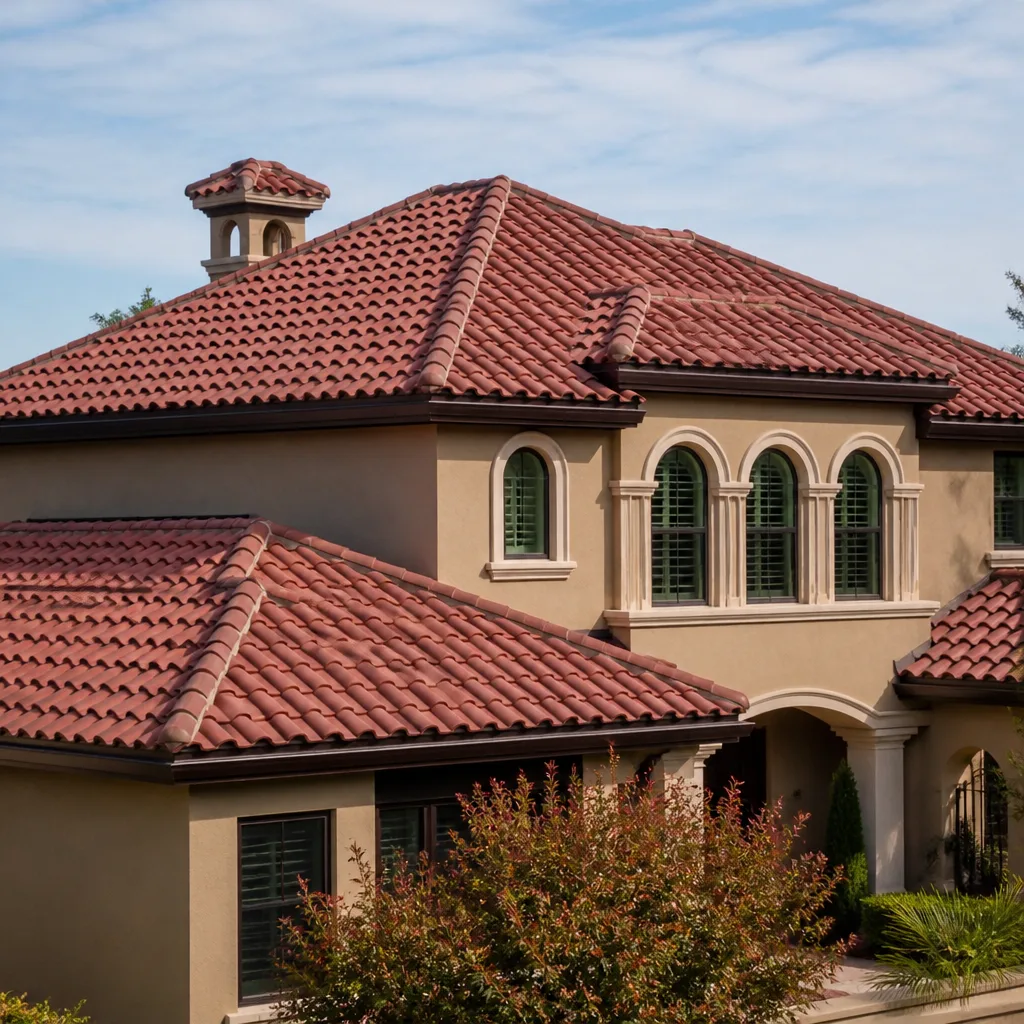 Tile roofing
 GAF
GAF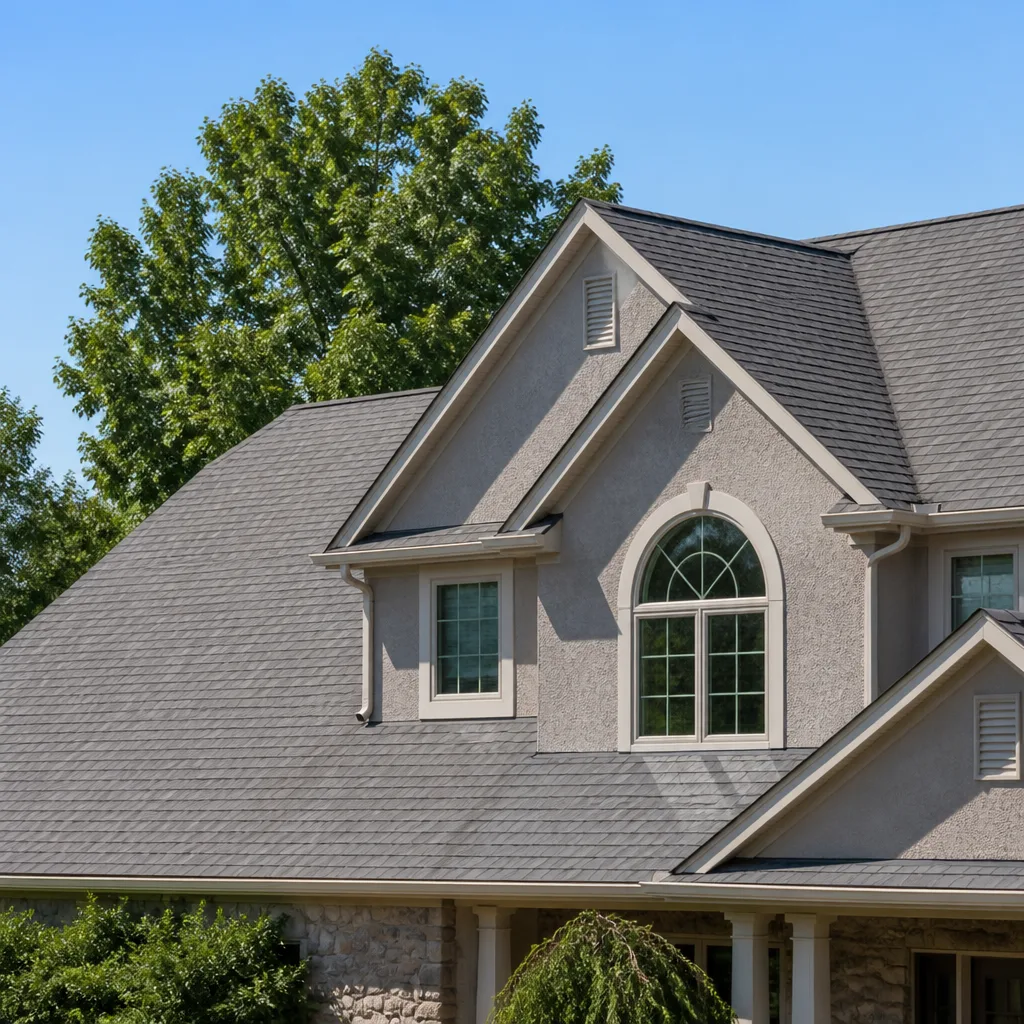 Owens Corning
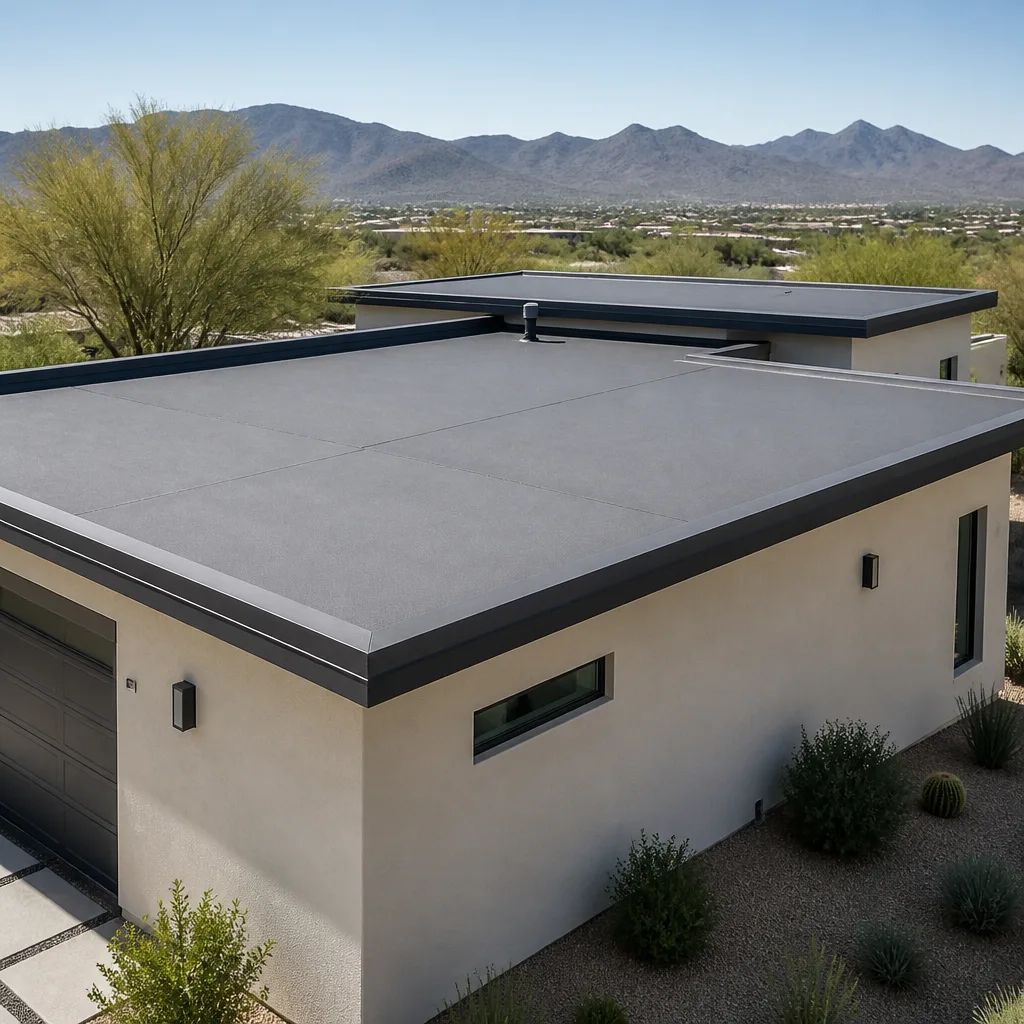 Flat & low-slope
Free roof inspection with deck photos before we talk money - GAF and Owens Corning certified installation
Roofing Warning Signs: A Jacksonville Homeowner’s Reference Guide
Here is a number that surprises most Jacksonville homeowners: by the time a brown stain appears on your ceiling, water has already traveled through shingles, underlayment, roof decking, and attic insulation. The repair at that point is typically three to five times more expensive than if the point of entry had been caught weeks earlier at a pipe boot or step flashing. Most roofing guides tell you what a failed roof looks like. This one teaches you to spot the earlier, quieter signals that appear inside your house, in your attic, and along your roof edges before a leak ever reaches drywall. If you live in Jacksonville, where afternoon thunderstorms and hurricane-season wind gusts stress roofing year-round, these are the warning signs worth knowing. You will learn what to look for with a basic flashlight, which patterns are normal aging versus real trouble, and how to photograph your roof twice a year so changes become visible over time.
Quick Answer
The earliest roofing warning signs in Jacksonville are rarely visible from the street. They appear in the attic as dark decking streaks or raised insulation, along the roof edge as curling shingle tabs or soffit discoloration, and inside the house as musty smells or doors that suddenly stick. By the time a ceiling stain forms, the leak has likely been active for weeks or months. A homeowner who checks the attic after every storm and photographs the roofline twice a year will catch most problems before they become interior damage.
Styles & brands we work with
Table of Contents
- The Attic Inspection: Where 80% of Jacksonville Roof Problems Show Up First
- Jacksonville-Specific Warning Signs National Guides Never Mention
- Granules in the Gutter: Normal Aging or Accelerated Failure?
- Genuine Risk vs. Contractor-Manufactured Urgency: How to Tell the Difference
- Photo Documentation: The Twice-a-Year Method That Makes Changes Visible
- Interior Warning Signs You Might Be Misreading
- Common Mistakes to Avoid
- When to Call a Professional
- Frequently Asked Questions
The Attic Inspection: Where 80% of Jacksonville Roof Problems Show Up First
A roof leak announces itself in the attic long before it reaches your ceiling. The reason is simple: water travels downward through the decking, soaks into insulation, and only then saturates the drywall below. That lag time is your advantage, if you know what to look for. In our experience across Jacksonville, roughly eight out of ten roofing problems we find could have been spotted in the attic months earlier, before interior damage occurred. The inspection takes fifteen minutes, needs no special tools beyond a basic flashlight, and works best in the morning when sunlight makes moisture marks easier to see.
Here is the exact routine we recommend to Jacksonville homeowners:
- Turn off the attic light and stand still for thirty seconds. Your eyes need to adjust. Then look for any pinhole of daylight coming through the decking. A gap you can see from inside is a gap water can find during a wind-driven rain.
- Sweep the flashlight across the underside of the roof decking. Look for dark stains, especially streaks that run downward along the slope. Water marks on wood decking appear as gray or black discoloration that follows gravity. A small stain near a nail is condensation; a long streak is active water travel.
- Check the insulation surface. Wet insulation clumps and settles. Dry blown-in insulation sits fluffy and even. If you see a flattened or darkened area in the insulation, water has dripped onto it at some point, even if the area feels dry today.
- Examine every rafter and truss. Look for white or gray mold spots, which read as fuzzy patches under flashlight. Mold on rafters means humidity has been trapped in the attic long enough to support growth, which points to a ventilation problem or an intermittent leak.
- Inspect around all penetrations. Anything that pokes through the roof creates a potential entry point: plumbing vents, exhaust fans, electrical masts, even the attic access hatch if it does not close with a proper seal. In Jacksonville, plumbing vent boots made of rubber crack from UV exposure within eight to twelve years, and that crack is often the first leak point on an otherwise healthy roof.
What separates a roof you can wait on from one that needs attention this season is not whether you find one small stain. It is whether the stain is dry and old or currently damp. Press your finger against a suspicious decking spot. If it feels spongy or you can dent the wood with pressure, the decking has started to rot and a roof repair in Jacksonville is likely needed before the affected area grows. If the wood feels solid and the stain appears dry, note the location, photograph it, and re-check after the next heavy rain on your calendar.
Jacksonville-Specific Warning Signs National Guides Never Mention
Most roofing warning sign articles are written for a national audience and miss the signals that matter specifically in Northeast Florida. Jacksonville has a humid subtropical climate, intense UV exposure, afternoon thunderstorms that arrive with almost daily regularity from June through September, and the occasional tropical system that pushes wind-driven rain sideways. These conditions create warning signs you will not find in a generic checklist. Here are four that we consider Jacksonville-specific.
Stucco cracking near the roofline. Many Jacksonville homes built since the 1990s use stucco on upper exterior walls that meet the roof edge. When fascia boards swell from trapped moisture, the movement transmits into the stucco and creates hairline cracks that run horizontally just below the roofline. National guides do not mention this because most of the country does not build with stucco. In Jacksonville, a fresh horizontal crack along the top of a stucco wall is often the first visible sign of a fascia or decking moisture problem above it, not a cosmetic stucco issue.
Algae streaking patterns that indicate drainage failure. The black streaks you see on many Jacksonville roofs are a blue-green algae called Gloeocapsa magma, and it is mostly cosmetic. But the pattern of the streaking matters more than most homeowners realize. Algae grows where moisture lingers. If streaking is evenly distributed across the north and east slopes, that is normal for our climate. If the streaking forms in concentrated vertical bands below a valley, behind a chimney, or along a wall-to-roof intersection, the algae is telling you that water is not shedding cleanly from those areas. The streaking itself is not the problem, but the drainage failure it reveals often is. When a roofing company in Jacksonville investigates a persistent algae band, we often find a clogged valley flashing, a sagging gutter, or a shingle course that has lost its bond and traps moisture underneath.
Soffit discoloration from blocked ventilation. Your soffits are the horizontal panels under the roof overhang. They are not just a decorative finish, they are the intake side of your attic ventilation system. Warm, humid Jacksonville air needs to move out of your attic through ridge or off-ridge vents, and it pulls replacement air in through the soffits. When soffits get painted over with too many coats, clogged with dust and spiderwebs, or blocked by blown-in insulation that settled into the eaves, the intake path closes. The first visible sign is often a yellowish or gray discoloration on the underside of the plywood visible through the soffit from ground level. Left alone, blocked soffit ventilation leads to attic temperatures that can exceed 150 degrees on a July afternoon in Jacksonville, which cooks shingles from underneath and ages them prematurely.
Rust-colored drip stains below a roof-to-wall intersection. In older Jacksonville neighborhoods like Riverside, Avondale, and San Marco, many homes have a transition where a steep roof slope meets a vertical wall. That junction relies on step flashing; metal pieces layered with each shingle course to direct water away from the wall. When those flashing pieces rust through or pull loose, the water that runs behind them picks up iron oxide and leaves a rust-colored stain on the siding or brick below. A rust drip mark under a wall intersection is almost never a gutter problem. It is flashing failure, and it deserves a professional look.
Granules in the Gutter: Normal Aging or Accelerated Failure?
Every asphalt shingle sheds granules over its life. The ceramic-coated granules protect the asphalt, which is the actual waterproofing layer, from UV damage. Some granule accumulation in your gutters is completely normal, especially on a new roof during its first year, when excess granules applied at the factory wash off. The question is how to tell the difference between a cosmetic amount and a warning that your shingles are failing ahead of schedule. The distinction matters because a roof that is losing granules aggressively in year eight is a different situation from a roof still performing normally in year fifteen.
Here is the practical way to distinguish normal from accelerated granule loss:
- Normal shedding looks like a light dusting. You see a thin, even layer of granules in the gutter, mixed with leaves and pine needles. The shingles themselves still look textured and consistent. This is especially normal after the first year of a new roof using materials from manufacturers like GAF, CertainTeed, or IKO, all of which leave loose surface granules during installation that wash away with the first few rains.
- Accelerated loss looks like piles. If you can scoop up granules in ridges or small drifts, or if the gutter fill is predominantly granule material rather than organic debris, the shingle surface is losing protection faster than it should. On a Jacksonville roof, this often shows up first on the west and south-facing slopes, which take the harshest afternoon sun.
- Check the shingle surface from a ladder at the edges. If you can see smooth, shiny black patches where granules have worn away, the asphalt underneath is now exposed to UV. That exposure will degrade rapidly. A shingle with visible bald spots has lost its primary defense and is entering the failure zone, even if it is not yet leaking.
- Look for granules on the driveway or walkways. During Jacksonville’s afternoon downpours, loose granules wash down the downspouts and out onto the concrete. A consistent line of dark granules across your driveway after a rain, especially in the area under a downspout, indicates more shedding than normal weathering.
- Run a simple test on an easily reached shingle corner. Press your thumb gently into the shingle surface. On a healthy shingle, the granules feel firm and embedded. On a failing shingle, you can feel the granules move slightly, like coarse sand under pressure. We perform this exact check during a roof replacement in Jacksonville evaluation, and it tells us more about remaining shingle life than age alone.
One clarification that saves homeowners stress: granules in the gutter are never, by themselves, a reason to replace a roof. They are a signal to look more carefully at the shingle condition. Manufacturers like Atlas and Tamko build substantial granule adhesion into their products, and some seasonal loss is expected. What matters is whether the shingle surface still has even coverage across its width. If it does, note the granule level, clean the gutters, and re-check in six months. If the surface is patchy or smooth in areas, have a professional evaluate whether repair or replacement is the right next step.
Genuine Risk vs. Contractor-Manufactured Urgency: How to Tell the Difference
After a storm rolls through Jacksonville, you may get a knock on the door from a contractor who has spotted “significant damage” from the street and wants to start work immediately, often claiming they can get your insurance to pay. Some of these situations are legitimate. Some are manufactured urgency designed to get you to sign before you have time to get a second opinion or verify the claim. Knowing which is which protects you from paying for work that was never actually needed.
The roofing issues that genuinely require rapid attention share one trait: an active water entry point into your home or an opening that allows water entry during the next rain. That means a punctured shingle with visible decking underneath, a lifted flashing that has exposed a seam, a fallen tree branch that has created a gap, or a torn section of underlayment visible through missing shingles. If a contractor can show you a photo of any of these conditions on your actual roof, the urgency is real and you should place a tarp or schedule a repair quickly. Jacksonville’s daily summer thunderstorms mean an open penetration will not stay dry for long.
The situations that do not require immediate action, despite how they may be presented, include:
- Cosmetic granule loss in the gutter. As covered above, some granule loss is normal. A contractor who points to granules in your gutter and insists the roof is failing “right now” is skipping several diagnostic steps.
- General age alone. A roof that is twenty years old may be near the end of its service life, but age is a planning factor, not an emergency. In Jacksonville, where heat and UV shorten shingle life compared to northern climates, a twenty-year-old roof often does need replacement. But you can plan that replacement over a few months, secure written pricing, and choose a contractor deliberately.
- “Wind damage” that consists only of lifted shingle tabs. Shingles that are lifted but not creased or torn can often be re-sealed by a knowledgeable technician using an appropriate adhesive, provided the shingles have not broken their seal strip. A lifted tab is a minor repair. A contractor who insists on full replacement for lifted tabs alone is worth a second opinion.
- Algae or moss growth. Algae is cosmetic in our climate. It does not shorten shingle life the way lichen does, and even lichen removal is a maintenance task, not an emergency replacement trigger.
The right question to ask before agreeing to any urgent repair is simple: “Can you show me the specific entry point or exposed area on a photo of my roof, and can you write down exactly what the repair will involve and what it will cost before I sign?” A contractor doing honest work will answer both questions without hesitation. At Birchbark Roofing Jacksonville, every job comes with a written price before any work starts, always, because we believe a homeowner should never have to decide under pressure without a number on paper.
Photo Documentation: The Twice-a-Year Method That Makes Changes Visible
The single most effective thing a Jacksonville homeowner can do to catch roofing problems early is also the simplest: photograph your roof from the same ground positions, twice a year, and compare the images. Human memory is unreliable for slow changes. A shingle crack that develops over nine months will not register as “different” when you glance at the roof every day, but it will jump out when you compare a photo from March to a photo from September. The method takes about twenty minutes and requires nothing more than your phone.
Here is the exact routine, designed for consistency so the photos actually become comparable over time:
- Choose four fixed ground positions around your property. Use permanent reference points you can return to accurately: the corner of the front walk, the base of the mailbox, the edge of the air conditioning pad, the back corner of the fence line. Stand in the same spot for every session. These four positions around the home give you coverage of all roof slopes from the ground without ever climbing a ladder.
- Photograph in the same light conditions each session. Morning light from the east is ideal for most Jacksonville homes because it reveals surface texture without casting glare. If you photograph the same slope at noon in July and at 4 PM in January, the comparison will be misleading. Pick a time of day and stick to it.
- Capture three things in every session: the roofline silhouette, the shingle surface texture, and the junction areas. The roofline silhouette shows sagging or ridge distortion. The shingle surface shows granule loss, curling, or cracking. The junctions – where roof meets wall, chimney, skylight, and valleys – show flashing displacement and debris accumulation.
- Date and label each photo in your phone’s album immediately. Create a shared album called “Roof Reference” and add each session with the date as the photo description. In twelve months, you will have eight labeled images that make changes visible.
- Compare the same positions rather than scrolling casually. Open the March image next to the September image and look for three changes: new dark streaks on the shingles, altered gaps or lifting at the edges, and any shift in the roofline against the sky. These are the changes that matter.
This documentation habit serves a second purpose: insurance. If a Jacksonville storm damages your roof, a set of dated photos showing the roof’s condition before the storm is the most persuasive evidence you can provide to an adjuster. We have watched homeowners receive faster, fairer settlements because they could show exactly what the roof looked like in April, before the August storm arrived. It is twenty minutes, twice a year, that pays for itself at the moment you need it most.
Interior Warning Signs You Might Be Misreading
Not every roofing warning sign appears on the roof itself. Some of the earliest indicators show up inside the house, where they are easy to attribute to other causes. In Jacksonville’s humid climate, the distinction between a roof problem and a general humidity issue is especially important, because both exist here and the fixes are completely different. Knowing which is which can prevent you from calling the wrong contractor and losing months to an unsolved problem.
Musty smell in a specific room or closet. A persistent mustiness that concentrates in one upper-floor room, or in one corner of a closet that sits under a roof valley, points to moisture intrusion from above. General mustiness across the whole house is more likely a humidity or HVAC issue. The test is simple: close the door to the suspect room for 24 hours, then walk in and smell. If the mustiness is stronger after the door has been closed, the moisture source is inside that room’s envelope, and the ceiling or walls above are the prime suspects.
Doors that suddenly stick or rub. Jacksonville homes, like all Florida homes, experience some seasonal movement as humidity changes. But a door that has swung freely for years and suddenly sticks in the frame may be telling you that wall framing is swelling or shifting due to ongoing moisture exposure. If it is an interior door on the top floor, near an exterior wall, and the sticking persists after the humidity drops, look up. The ceiling above that wall may be absorbing water from a roof leak that has not yet discolored the drywall.
Wavy or bubbling ceiling texture. Many Jacksonville homes have textured ceilings, which makes detecting early water damage more difficult. Texture hides the initial discoloration. But water intrusion usually causes the texture itself to change: it may blister, lift, or develop a pattern of hairline cracks in a roughly circular area. Run your hand lightly over a suspect area. If the texture feels different from the surrounding ceiling, softer or slightly raised, water is saturating the drywall from above.
Paint that peels on upper wall corners. Peeling paint at the top corner of an exterior-facing wall is regularly blamed on humidity. Sometimes that is correct. But a top-corner peel that recurs after repainting often traces to water running down the wall framing from a roofline leak above. Before repainting a second time, check the attic above that wall for the dark streaks described in the attic inspection section.
Unexplained increase in the electric bill during summer. This one surprises people. When attic ventilation fails and hot, humid Jacksonville air becomes trapped under the roof deck, your air conditioner works harder to keep living spaces cool. A noticeable summer electricity spike, paired with a hotter-than-usual upstairs, can indicate that your roof’s ventilation system has stopped functioning properly. The roof itself may be intact, but the system is not breathing, and the cost shows up on your power bill.
Each of these signals is worth fifteen minutes of investigation before you call anyone. The Birchbark Roofing Jacksonville home page explains our full service approach, but the short version is this: when a homeowner calls us about an interior warning sign, we start in the attic and work down, because the attic tells the truth about what is happening above.
Common Mistakes to Avoid
- Ignoring the attic because it is hot and uncomfortable. Jacksonville attics are unpleasant places in the summer, no argument there. But fifteen minutes with a flashlight in the morning, before the heat builds, is the highest-value roof inspection you can perform without a ladder. The attic shows problems first, and every month of delay pushes the repair cost higher as more layers of material get soaked.
- Assuming a new roof means no problems for twenty years. Installation defects in flashing, ventilation, or underlayment often show up within the first two years. A new roof deserves the same twice-a-year documentation habit as an old one. Catch an installation defect early and it is typically covered by the workmanship warranty. Catch it in year seven and you may be arguing about whether it was installation or wear.
- Cleaning gutters without looking at what is in them. You should clean your gutters regularly in Jacksonville, where oak leaves and pine needles fill them quickly. But before you remove the debris, look at it. Piles of granules, unusual amounts of shingle fragments, or pieces of flashing are the message your roof is sending. The debris itself, when it is more roofing material than organic matter, is a warning sign you should not discard without noting.
- Believing that a small interior stain is “fixed” when it dries. A ceiling stain dries when the weather stays dry. The leak is still present. The next rain will reactivate it, and the damage will be larger. A stain that appears, dries, fades, and then reappears has simply been cycling through the same leak for months or years. The water entry point does not heal itself.
- Accepting a verbal diagnosis without a written price. Any roofer who examines your roof should be able to hand you a written price for the recommended work on the spot or within a day. In Jacksonville, where roofing demand spikes after storms, the pressure to move quickly is real, but a written price protects you regardless of urgency. Birchbark Roofing Jacksonville provides a written price before any work starts, on every job, as a non-negotiable part of how we operate.
- Climbing onto the roof yourself to inspect damage. The warning signs described in this guide are designed to be visible from inside the attic or from the ground. A steep-pitch Jacksonville roof, especially after rain when shingles are slick with algae and moisture, is genuinely dangerous. Falls from roofs cause serious injuries every year in Northeast Florida. If you need a surface-level inspection, call a professional who carries the right safety equipment and training. The photo method described above gets you the information you need without the risk.
- Ignoring small flashing problems because the roof itself looks fine. Most leaks in Jacksonville homes do not originate in a failed shingle field. They start at a flashing point: a pipe boot, a chimney, a wall intersection, a skylight. A roof can look excellent from the street and still leak through a cracked pipe collar. When you inspect, give the penetrations and junctions more attention than the open shingle areas.
When to Call a Professional
Some warning signs call for immediate professional evaluation. If you find active water in the attic during or immediately after a rain, place a bucket under the drip if one is reachable and call a roofer the same day. If you see decking that feels spongy or crumbles under gentle pressure, structural damage has begun and every additional rain expands it. If you find multiple shingle tabs lifted across a slope after a wind event, if a flashing piece is visibly separated from the wall, or if you notice a sag in the roofline that was not present in your photo from six months ago, stop the DIY inspection and get an experienced eye on the roof. Birchbark Roofing Jacksonville offers free estimates across Jacksonville, including Riverside, Avondale, San Marco, Mandarin, Arlington, and the Beaches. Call (904) 604-7914 and a live person will answer, day or night, ready to schedule a time that works for your family.
Frequently Asked Questions
A professional roof inspection in Jacksonville typically ranges from $150 to $400 when performed as a standalone service, with most falling around $200 to $300. Many contractors, including Birchbark Roofing Jacksonville, provide inspections at no charge when they are part of evaluating a potential repair or replacement. When you call (904) 604-7914, you will get a clear answer on what is included before anyone climbs onto your roof, and the written price for any recommended work follows the inspection.
The earliest warning signs are almost always in the attic: dark streaks on decking, settled or darkened insulation, mold spots on rafters, or visible daylight through the decking. On the exterior, the early signs are curling shingle edges, rust drip marks below flashing junctions, and soffit discoloration that indicates blocked ventilation. Inside the house, musty smells in a single room, doors that suddenly stick, and wavy ceiling texture all predate any visible stain. Call (904) 604-7914 if you spot any combination of these.
In Jacksonville, waiting is rarely the right call because our rainy season runs from June through September, meaning several months of daily thunderstorm potential. A small, intermittent leak today becomes an active, continuous leak when the summer pattern arrives. Every additional rain event saturates more insulation, spreads the wet area across more decking, and moves you closer to interior drywall damage and mold growth. If the leak is active, address it now. If it is an observed warning sign but no active water is present, you can plan the repair but should complete it before the summer storm pattern begins.
An asphalt shingle roof in Jacksonville typically lasts eighteen to twenty-two years, depending on the shingle quality, attic ventilation, and whether the roof slope exposes it to full afternoon sun on the west and south faces. Jacksonville’s heat, UV, and humidity shorten shingle life compared to cooler climates, and a poorly ventilated attic can cut service life by several additional years. Brands like Boral, known for longer-lived material options, and sturdy architectural lines from Atlas or Tamko can extend that window when installed with proper ventilation.
That depends on your policy and the cause of the leak. If the leak results from a covered peril, such as wind damage from a named storm, many Florida policies will cover the repair. If the leak traces to gradual wear, age, or lack of maintenance, most standard policies will not cover it. Florida insurers have tightened underwriting considerably in recent years, and many now require documented roof condition and age at policy renewal. This is another reason the photo-documentation method in this guide is worth doing: it provides evidence your insurer may request. Call (904) 604-7914 for a free estimate on any leak, and let us give you a written price you can share with your adjuster.
We handle roof repairs of every size, from replacing a single cracked pipe boot to repairing flashing around a chimney, alongside full roof replacements when the roof has reached the end of its service life. Every job, regardless of size, carries the same protections: a written price before any work begins, background-checked uniformed technicians, shoe covers and drop cloths in your home, and a 365-Day Done Right Promise that covers the work for a full year. The crew photographs the clean-up before they leave, so you can see for yourself that your property was treated carefully.
The Bottom Line
The roof over your Jacksonville home telegraphs its problems long before a ceiling stain forces the issue. The signals are in your attic, along your roofline, in your gutters, and inside your house, and they become visible to anyone who knows what to look for. Fifteen minutes with a flashlight after each storm, twenty minutes with your phone camera twice a year, and the willingness to ask contractors for a written price before any work starts will protect your home from the expensive consequences of missed warning signs. When a signal does appear, take it seriously and get a professional evaluation, or explore more guides & resources to stay informed. Call Birchbark Roofing Jacksonville at (904) 604-7914 for a free estimate, and we will show you exactly what is happening and exactly what it costs to make it right, in writing.
Written by Erik Lindgren, Owner at Birchbark Roofing Jacksonville, serving Jacksonville since 2000.
See the difference
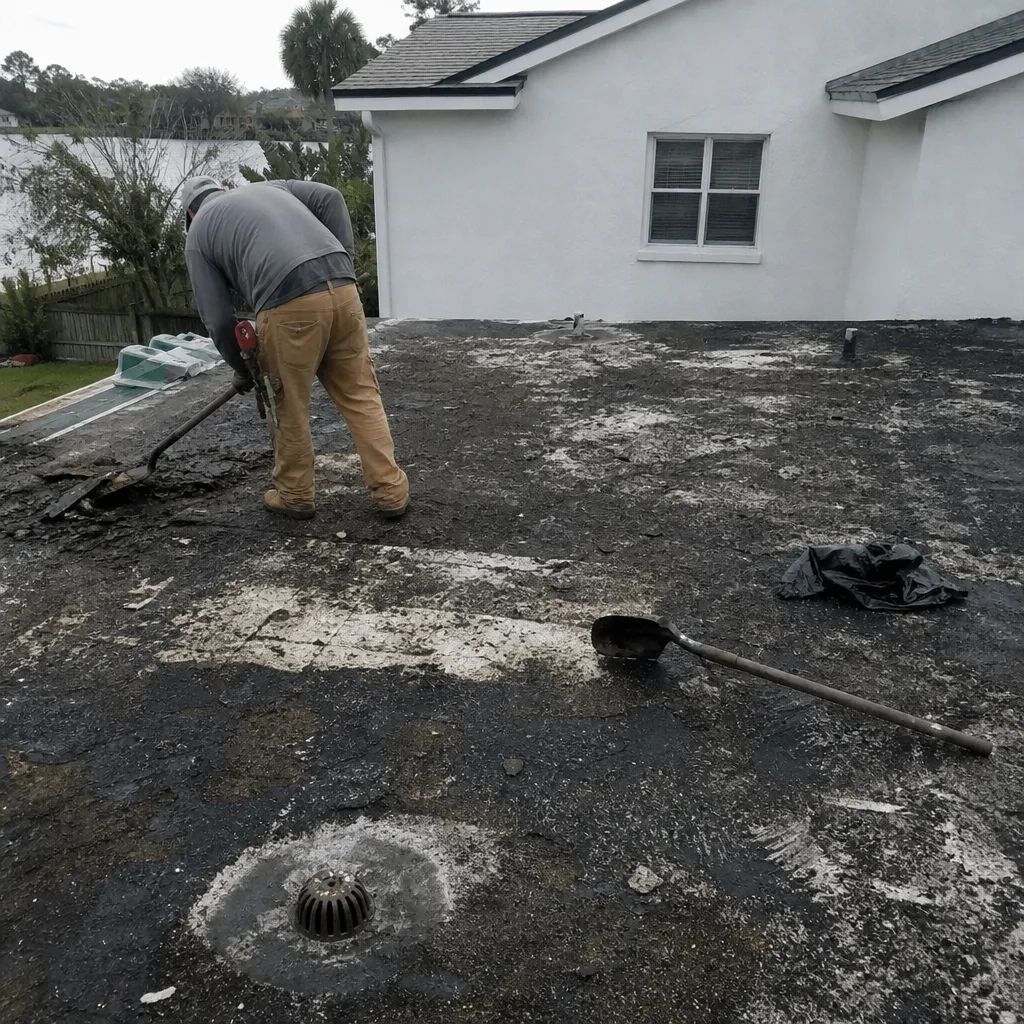 Before
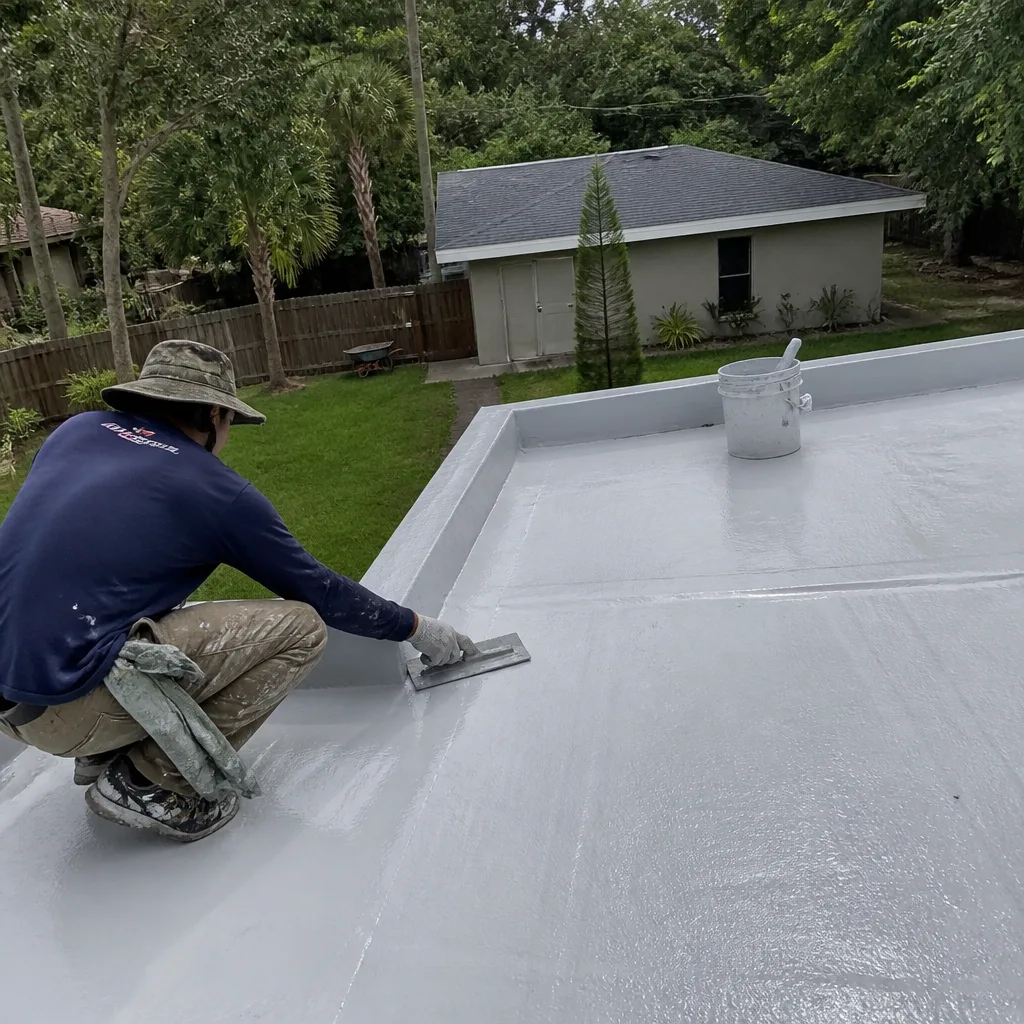 After
After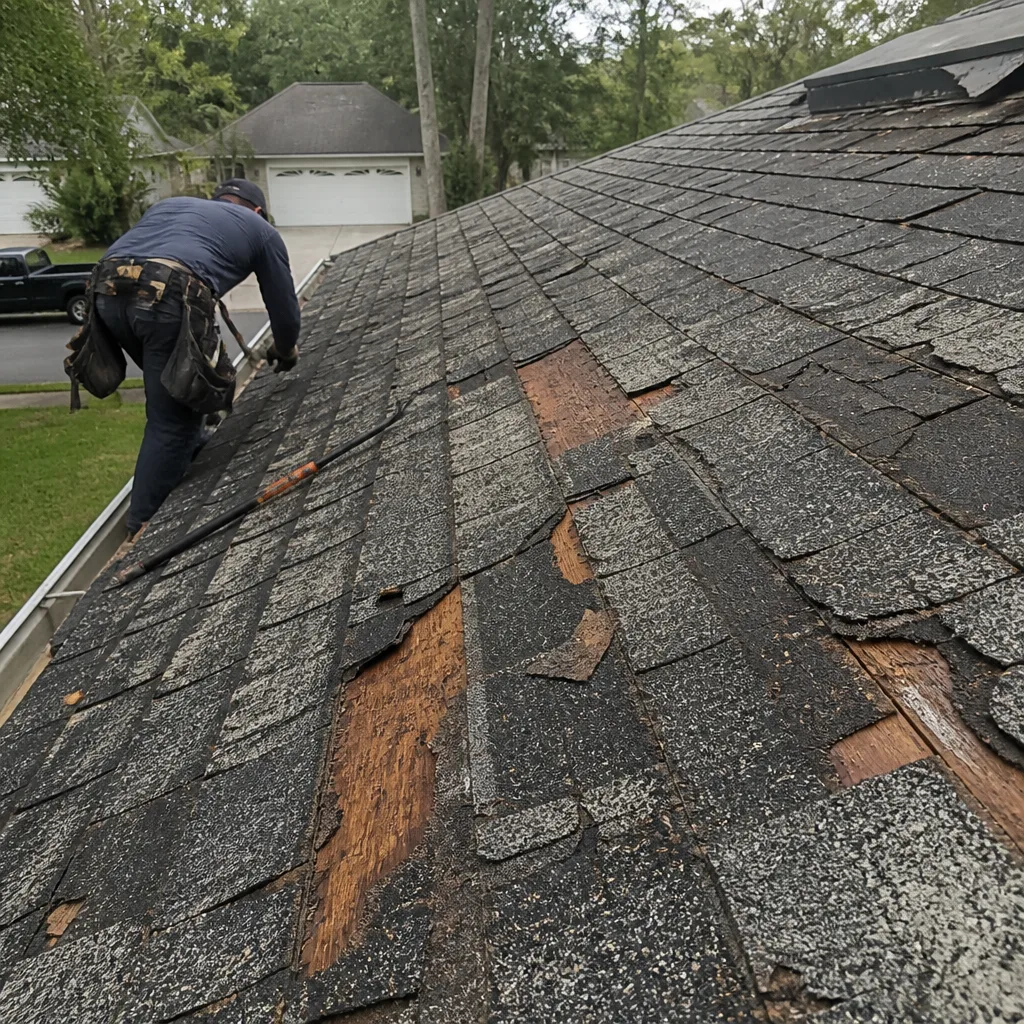 Before
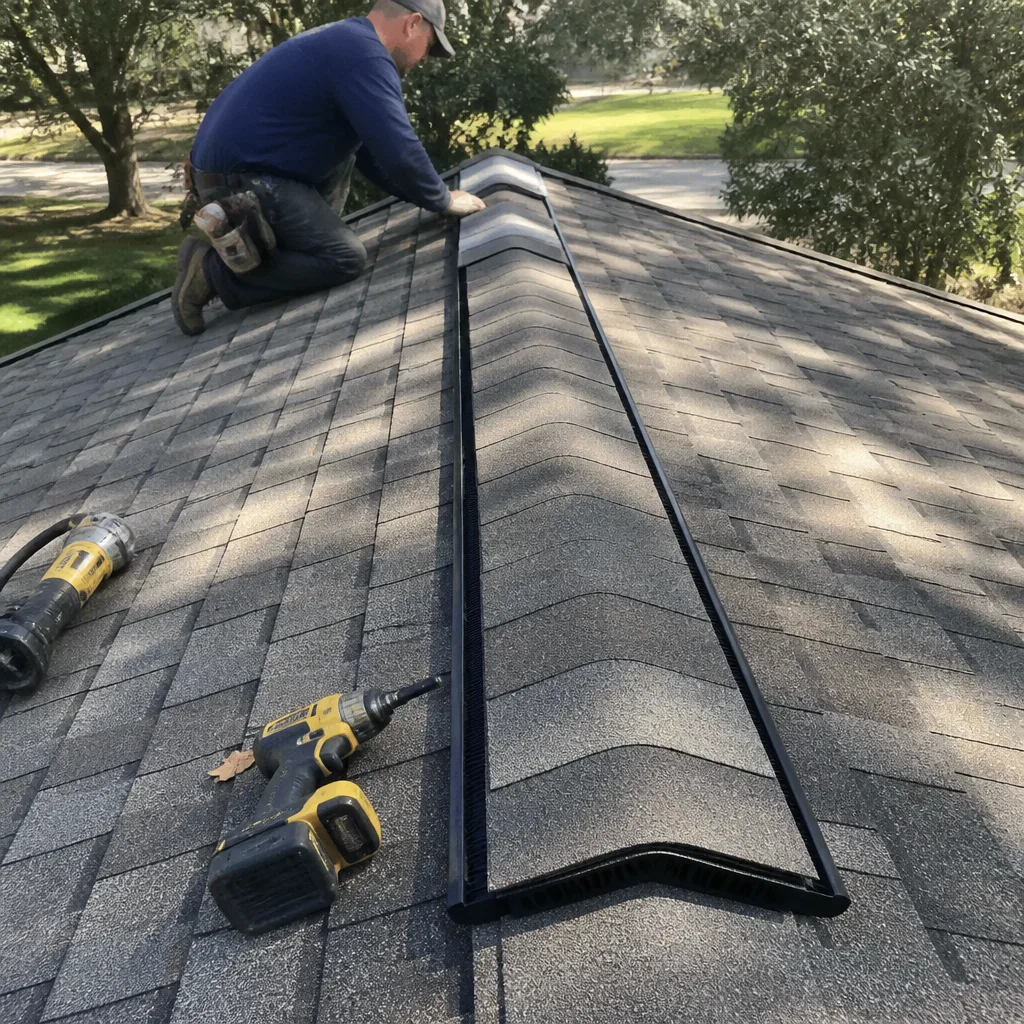 After
After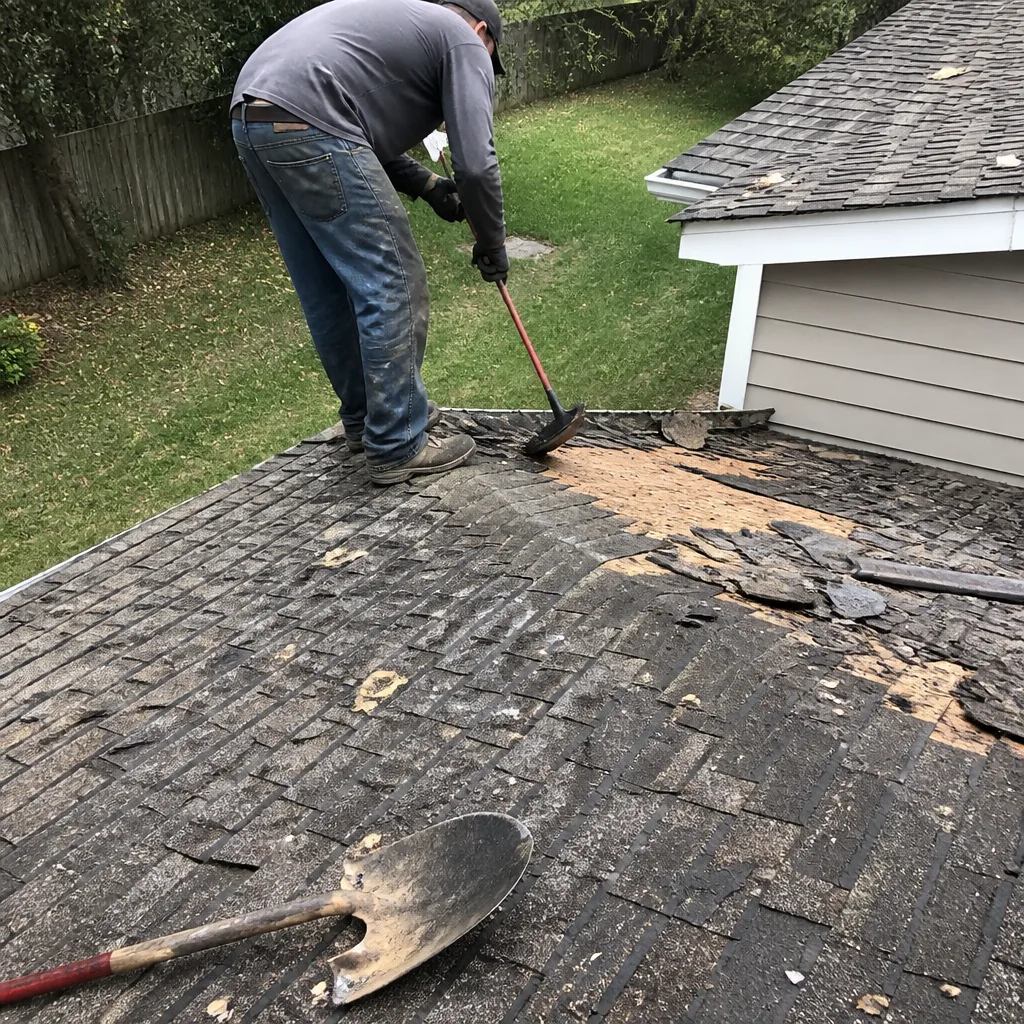 Before
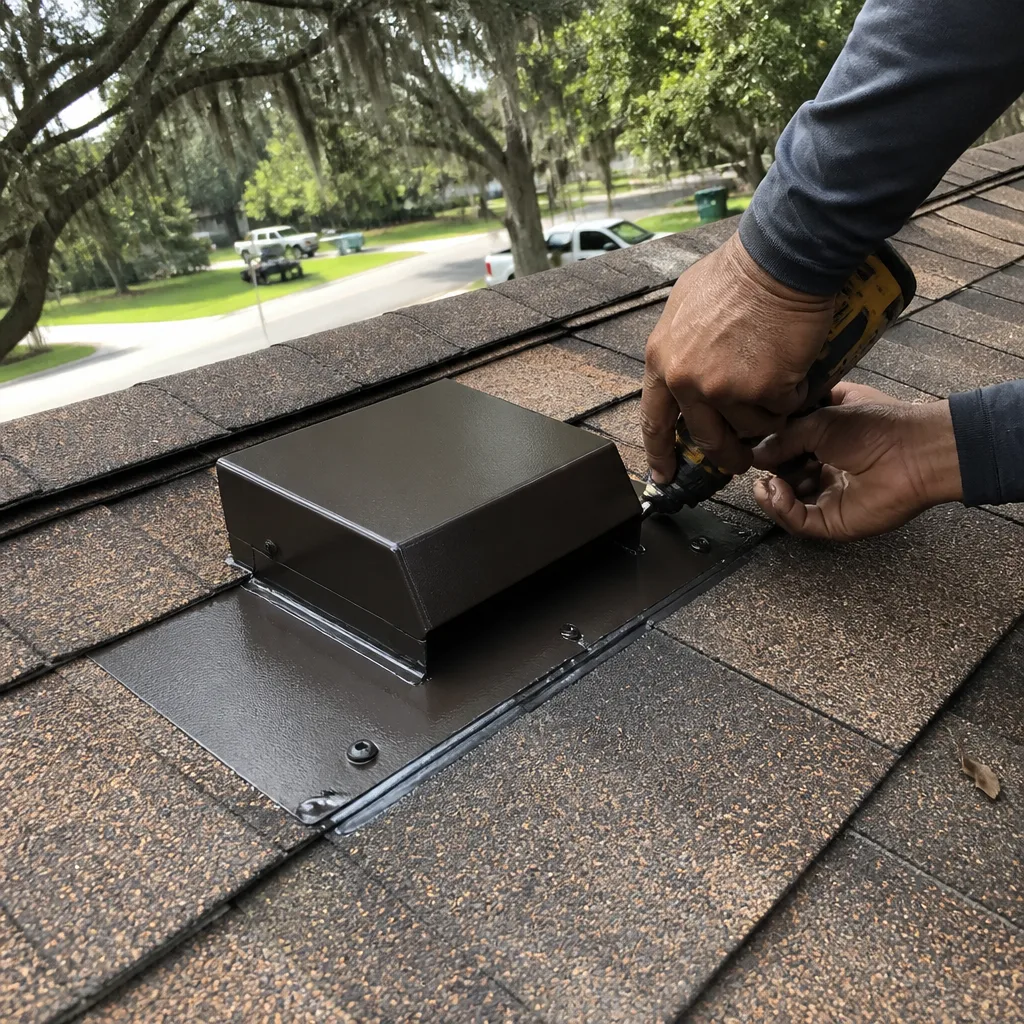 After
After