
Last updated October 17, 2026
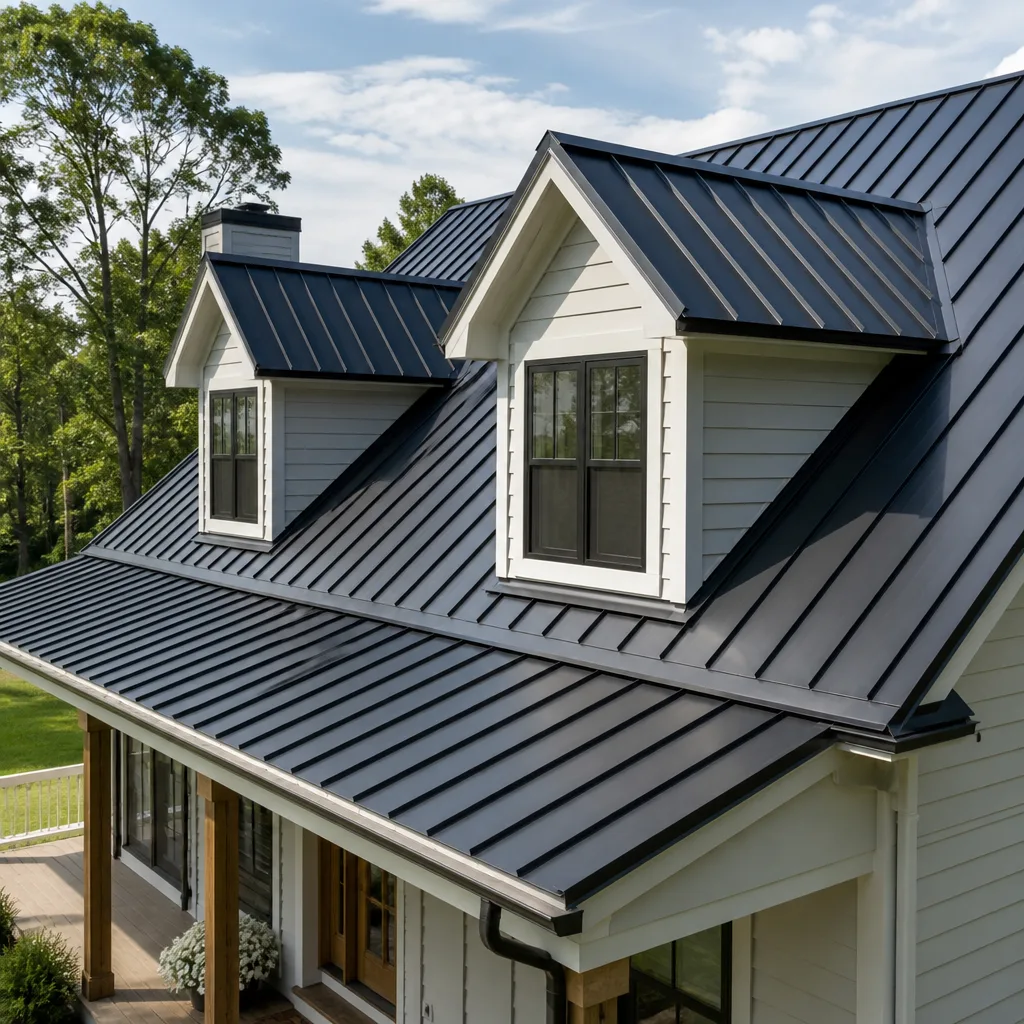 Metal roofing
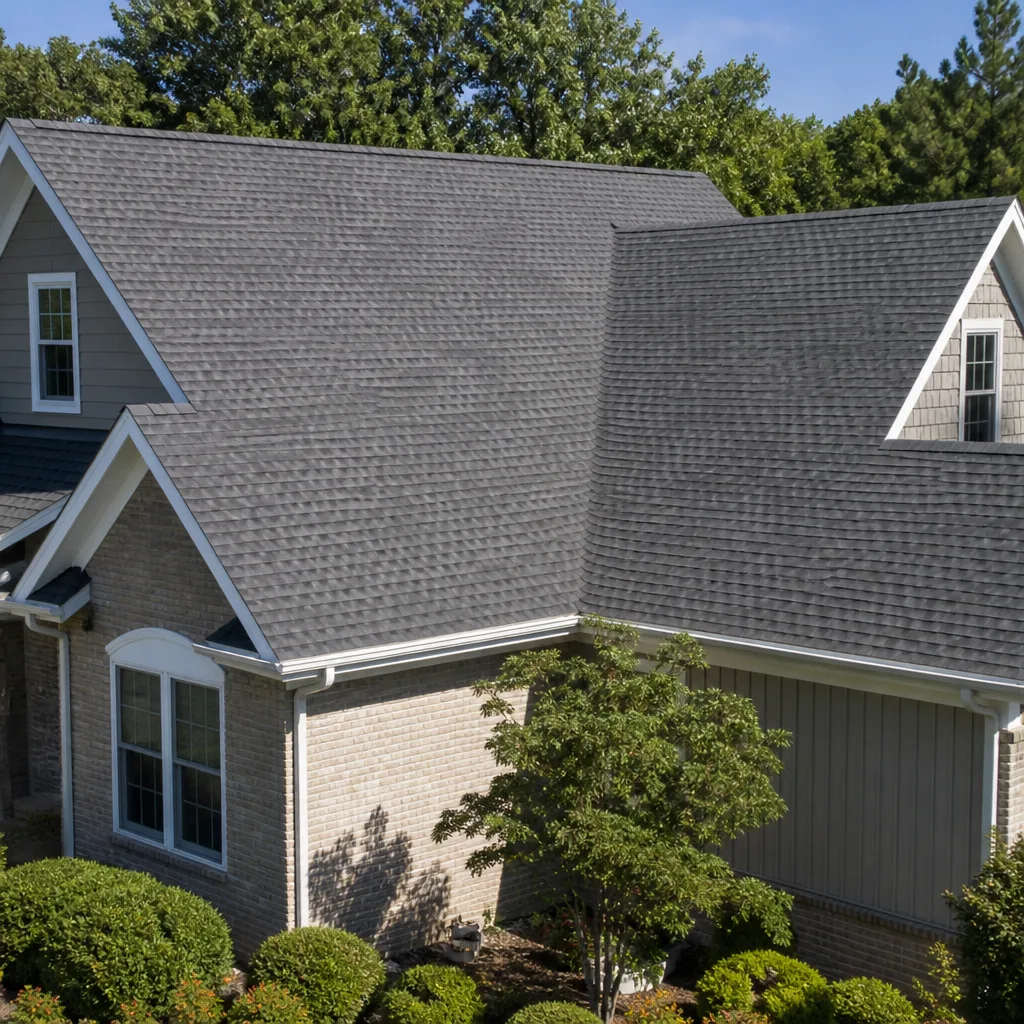
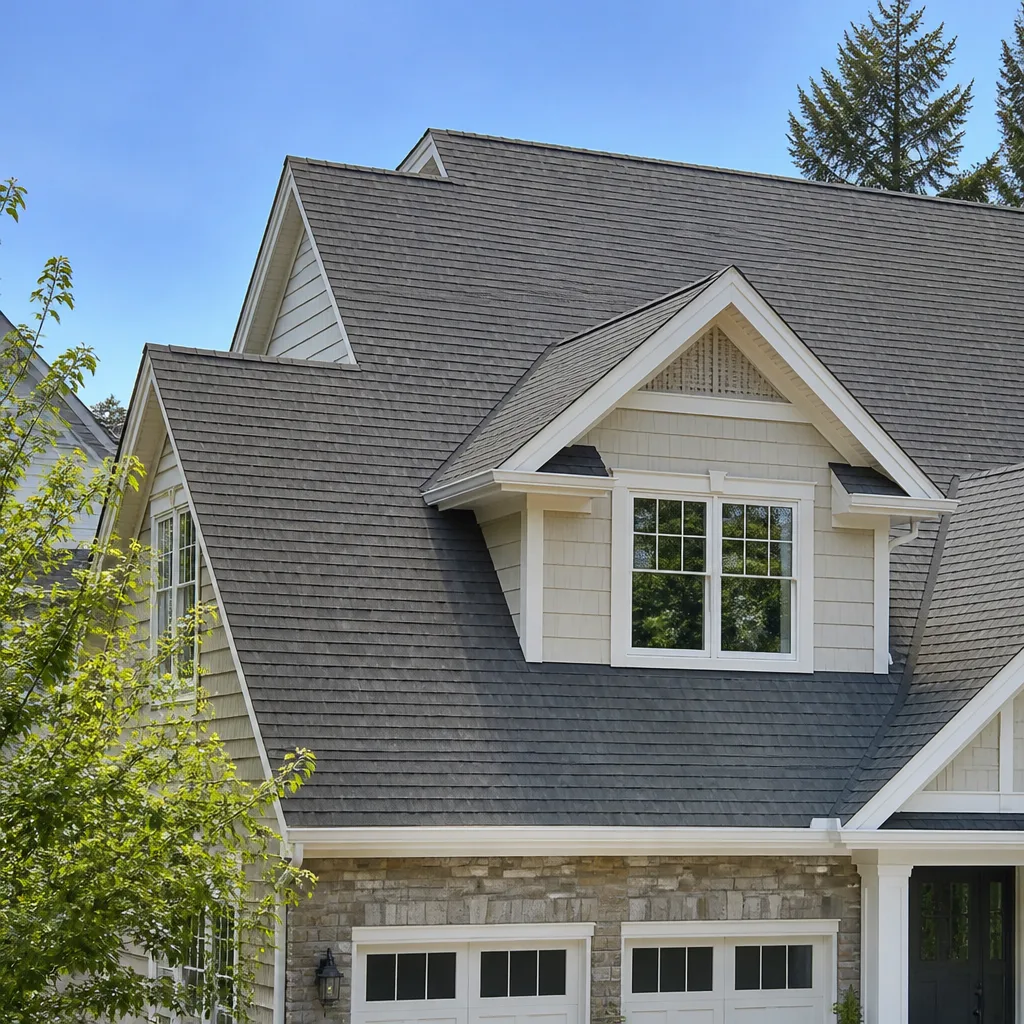 Architectural shingles
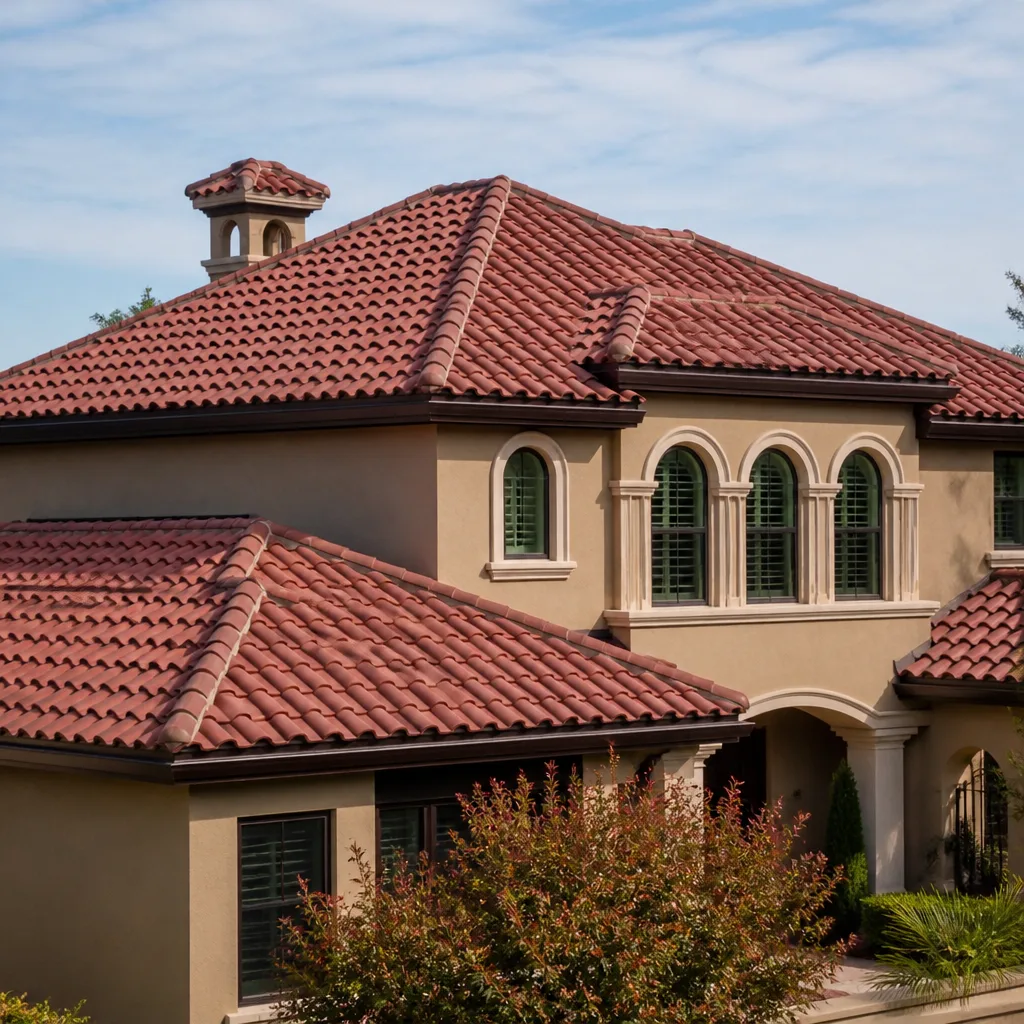 Tile roofing
 GAF
GAF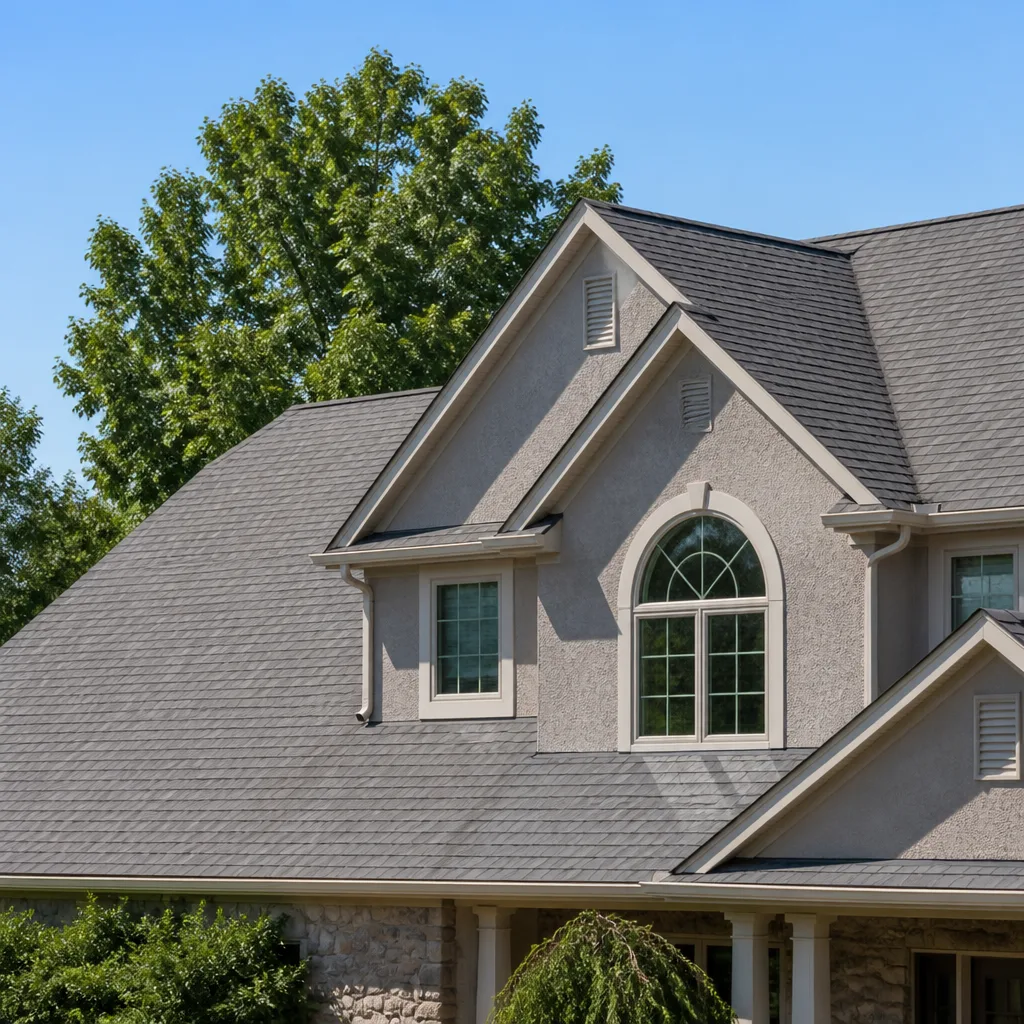 Owens Corning
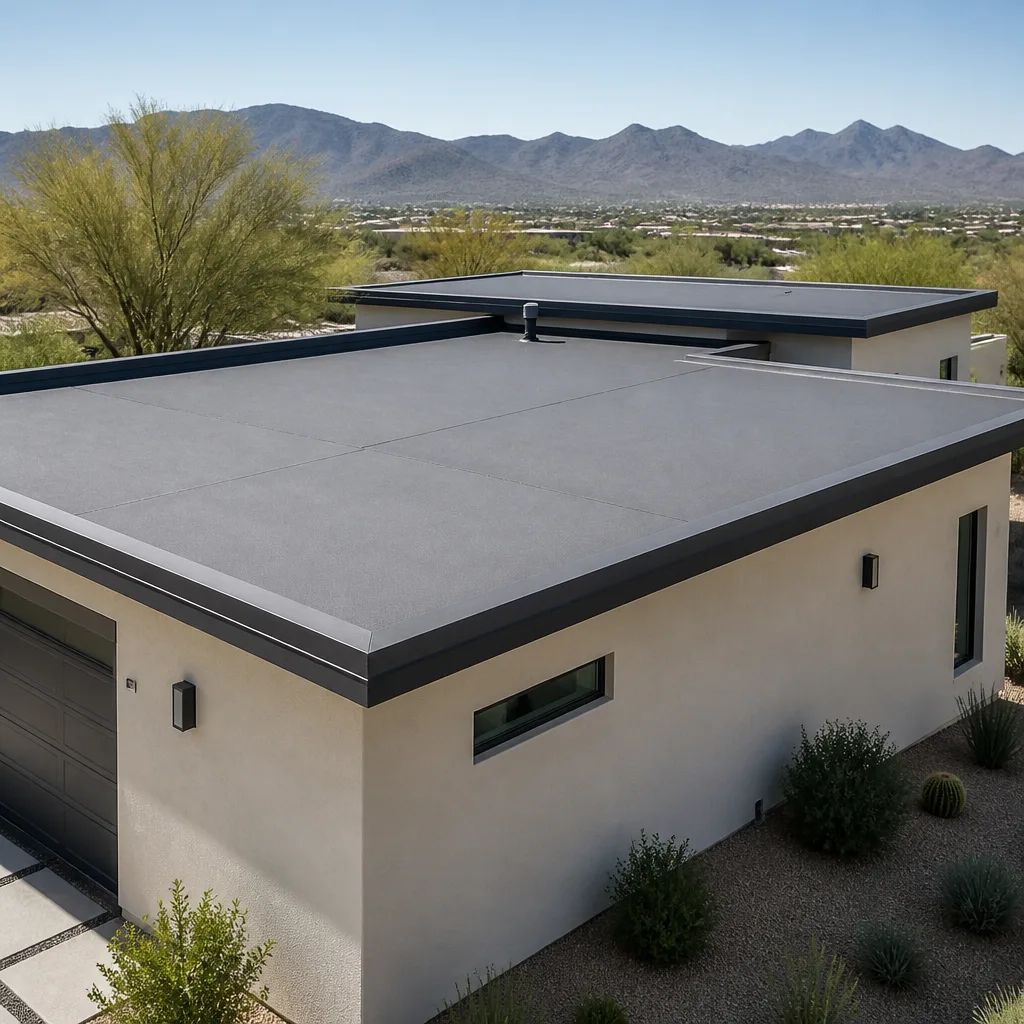 Flat & low-slope
Free roof inspection with deck photos before we talk money - GAF and Owens Corning certified installation
Seasonal Roofing Care for Jacksonville: Year-Round Homeowner’s Guide
Jacksonville doesn’t punish your roof in winter the way Minneapolis does. It punishes it in August, and again in September, and then once more for good measure during a nor’easter in January. The homeowners who catch roof problems cheapest in Jacksonville aren’t the ones who inspect most often; they’re the ones who inspect at the two moments that actually matter: the week before hurricane season opens and the week after it closes. This guide explains why those two windows exist, what to look for during them, and what Jacksonville’s calendar actually means for the asphalt, flashing, and sealant above your head.
Styles & brands we work with
Quick Answer
In Jacksonville, seasonal roof care means one thorough pre-hurricane-season inspection in late May, one post-season inspection in November to catch slow storm damage, and proactive attic ventilation and granule checks during summer’s UV stress. The city’s heat stress season runs May through September, its storm loading season peaks August through October, and the brief cool window from December to February is the wrong time for caulk-based repairs because sealant gets stiff and won’t bond properly.
Table of Contents
- The Jacksonville Roofing Calendar Most Advice Gets Wrong
- The Pre-June 1 Checklist: Three Things That Fail First in a Storm
- Summer UV in Jacksonville: What Granule Loss Actually Looks Like
- Storm Season Behaviors That Save Jacksonville Roofs
- The October – November Window: Finding the Slow Leaks
- Why Jacksonville’s Cool Season Is the Worst Time for Caulk Repairs
- Building a Jacksonville Weather-Trigger Maintenance System
- Common Mistakes to Avoid
- When to Call a Professional
- Frequently Asked Questions
- The Bottom Line
The Jacksonville Roofing Calendar Most Advice Gets Wrong
Most national roofing guides assume four distinct seasons with predictable transitional rituals: spring inspection, summer watch, fall leaf-clearing, winter ice-dam vigilance. Jacksonville has none of that. The city sits at 30.3°N latitude, humid subtropical climate, and a Gulf Stream influence that keeps temperatures from swinging enough to trigger those northern rhythms. What Jacksonville actually has, in roofing terms, is three distinct loading periods.
First comes the heat stress season, running roughly May through September. Roof surface temperatures on a July afternoon in Jacksonville regularly reach 160 – 170°F, and the attic above that can climb to 140°F if ventilation is poor. That sustained thermal loading degrades asphalt shingles, accelerates oxidation of exposed sealant beads, and causes thermal expansion cycling that slowly loosens fasteners and stretches flashing corners.
Second comes storm loading season, peaking August through October. Jacksonville sits on the Atlantic hurricane corridor, and even a glancing tropical storm drives wind-driven rain sideways into roof penetrations that never leaked under vertical rainfall. The city’s official design wind speed for residential construction is 140 mph for critical structures along the coast, less for inland areas, but the practical point for homeowners is simple: your roof gets tested hardest by storms, not by years.
Third is the brief maintenance window from December to February. This is the one period when daytime highs drop into the 60s and the air dries out. It’s the right time for certain types of work: shingle replacement, flashing replacement, large-scale tear-off. It’s emphatically the wrong time for caulk-based repairs, for reasons explained later. If you grew up with a northern roofing calendar, Jacksonville will fool you every time. The city doesn’t have four seasons. It has two loading seasons and a narrow slot between them.
For a broader look at how these cycles influence your roof’s lifespan and what a Jacksonville-specific inspection should include, see the Roofing Company in Jacksonville guide we put together for homeowners.
The Pre-June 1 Checklist: Three Things That Fail First in a Storm
June 1 marks the official start of Atlantic hurricane season. The week before that date is the single most valuable inspection window of the year for a Jacksonville roof. Not because the roof changes in that week, but because you’re about to find out whether it can handle wind-driven water. Here’s the uncomfortable truth we’ve learned from hundreds of Jacksonville storm-related calls: the first major storm of the season rarely destroys roofs. It exposes the ones that were already one bad afternoon away from leaking.
The pre-season checklist has three items that matter more than all others combined. They fail predictably, and they fail in a specific order during the first serious storm. Walk through them in this sequence.
- Flashing inspection at every penetration. Flashing is the thin metal that wraps around chimneys, plumbing vent pipes, skylights, and anywhere the roof plane gets interrupted. In Jacksonville’s humidity and heat cycling, flashing caulk dries, cracks, and separates from the metal. A hairline gap at a pipe boot leaks only under wind pressure. During a storm, wind-driven rain pushes water up and under shingles, and that hairline becomes a channel. Check boots for cracking, check step flashing for lifting, and check chimney flashing for separated sealant beads.
- Gutter attachment check. Gutters in Jacksonville aren’t just for draining. They’re the anchor point for the drip edge, and in high winds, a loose gutter can pull against the fascia, the drip edge, and the first row of shingles behind it. A gutter that’s sagging or pulling away by even a quarter inch is applying constant pressure to the roof edge. Fasten it before the storm, not after.
- Attic ventilation confirmation. Ventilation is a summer-heat issue, which means it’s a pre-season issue. A Jacksonville roof that can’t vent its attic on an August afternoon hits 140°F inside the attic, and that heat bakes the shingles from underneath, cutting years off their service life. Confirm that intake soffits are clear of insulation blocking, that ridge vents aren’t painted over or caulked shut, and that powered attic fans are actually running if present.
These three items are the sequence a storm follows when it finds weaknesses: flashing leaks first, gutter and edge failures second, and heat-weakened shingles third. By the time a homeowner notices ceiling stains, the chain reaction already started weeks earlier. The pre-June 1 checklist is a homeowner’s version of clearing the deck before weather comes in.
Summer UV in Jacksonville: What Granule Loss Actually Looks Like
Jacksonville’s summers don’t just heat your roof. They age it photochemically. The asphalt in a shingle’s fiberglass mat depends on granules to block ultraviolet radiation. Those granules are crushed stone pressed into hot asphalt during manufacturing. UV doesn’t damage the granules themselves; it degrades the asphalt layer that holds them. When the asphalt breaks down, granules release. When granules release, the UV hits the asphalt underneath directly and degradation accelerates. It’s a compounding failure curve, and Jacksonville’s direct sun exposure pushes that curve hard from May through September.
Different shingle types handle this differently, and we see the visual evidence on Jacksonville roofs routinely. Standard three-tab fiberglass shingles show granule loss earliest, typically within 12 – 15 years under Jacksonville’s sun load. Architecturals, whether from CertainTeed, Owens Corning, IKO, or Atlas, carry more asphalt per square and hold granules longer, often 18 – 25 years. But the chemistry stays the same: once a roof passes the halfway point of its expected life, each Jacksonville summer becomes a visible step down in granule retention.
The visual cues that matter for a homeowner:
- Gutter accumulation in July. Put your hand into a downspout outlet during a dry July week. If you pull out a handful of dark granules, the roof is shedding at an accelerated rate. Some seasonal granule wash is normal in the first year after installation. After year five, visible July granule accumulation means the asphalt binder is failing.
- Bald spots on south-facing roof slopes. In Jacksonville, the sun’s track puts southern slopes under maximum daily exposure. Those slopes lose granules first. A patch where the black fiberglass mat shows through is a roof that’s entered the final third of its life.
- Color inconsistency across the roof plane. Granules fade uniformly; bald spots fade unevenly. When one area looks lighter or more matte than the surrounding shingles, that’s not fading, that’s granule loss.
- Granules in window sills or on the driveway after dry weeks. Wet-weather granule movement is normal. Dry-weather granule movement means the asphalt bond has failed and the granules are leaving on their own schedule.
The practical response to any of these signs in Jacksonville is to get a professional assessment before the next storm season. The UV didn’t create a leak directly; it weakened the shingle enough that the storm will. If you’re seeing bald spots on a Southside or Mandarin roof with mature architecture, plan the replacement conversation before August, not after. Our Roof Replacement in Jacksonville page covers what that process looks like and what it costs, with a written price before any work starts.
Storm Season Behaviors That Save Jacksonville Roofs
Once hurricane season opens, the maintenance rhythm shifts. You’re no longer preparing; you’re responding. But the response that saves roofs isn’t the dramatic tarp-on-the-ridge moment you see on local news. It’s the quieter behavior of checking the roof after every tropical system that passes within 100 miles. Jacksonville gets grazed more often than it gets hit directly. A storm that makes landfall south of us still sends feeder bands through Duval County with sustained wind and heavy rain, and those bands cause most of the shingle displacement and slow leaks we see at Birchbark Roofing Jacksonville.
During storm season, do these three things after every meaningful weather event:
- Ground-level visual sweep. Walk the perimeter and photograph three things: shingle corners lifting at the edges, pieces of shingle or granules on the lawn, and any gutter sections that look pulled away. You don’t need a ladder. A phone camera and a walk around the house catches 80% of what matters.
- Ceiling and attic check within 48 hours. Slow wind-driven leaks show up as faint discoloration on ceiling drywall or darkened sheathing in the attic. Jacksonville’s humidity means the stain may take a day or two to blossom. Checking within 48 hours catches it before it becomes a mold issue.
- Document everything before you call anyone. Photos, dates, and a hand-drawn roof map marking what you saw. This becomes the difference between a precise repair conversation and a vague “well, something’s leaking” call. It also helps if an insurance adjuster gets involved.
The goal during storm season is to prevent one storm’s minor damage from becoming the next storm’s interior leak. A shingle lifted in July lets water under the roof deck in September, and by October the sheathing is soft in a two-foot circle. That repair went from $200 to $2,000 because nobody walked the perimeter after the first storm.
For homeowners who aren’t comfortable doing even a ground-level visual check, our Roof Repair in Jacksonville team handles storm-season assessments as a standard service. A written price before any work starts, always.
The October – November Window: Finding the Slow Leaks
Atlantic hurricane season officially ends November 30. The month before that, October into November, is the second critical inspection window of the Jacksonville roofing year. Its purpose is different from the pre-season check. The pre-June inspection is about hardening the roof before loading. The post-season inspection is about finding damage that storms created but didn’t make obvious.
Here’s what a slow leak actually looks like in Jacksonville. During a tropical storm’s feeder bands, wind-driven rain gets pushed under a ridge shingle, under a corner of flashing, behind a displaced boot. The water enters the attic space in a trickle, not a flood. It dampens a patch of insulation or runs along a rafter and soaks into sheathing. Then the sun comes out. Jacksonville’s October sun is still hot enough to dry the surface. The ceiling never stains. The homeowner never sees a drip. The water damage sits in the attic, quiet and slow, feeding mold growth through November’s milder humidity.
By spring, that sheathing patch is soft, and the first big rain of March finds the path and produces a visible ceiling stain months after the actual entry event. That’s the real value of the October – November window. It’s the moment to catch damage before it becomes visible from inside, which is also the moment when the repair cost is still modest.
The post-season checklist looks like this:
- Scan the ridge line from both gable ends for lifted or slightly offset ridge caps.
- Check every pipe boot and vent for torn rubber or shifted position.
- Look at roof valleys, if present, for shingle edges that no longer lie flat.
- Examine attic sheathing in the late morning, when a damp patch shows as a darker area against dry wood.
- Look for granules in the gutters again. A storm is a granule-moving event, but a healthy roof keeps most of them.
If you do only one attic check per year, make it late October in Jacksonville. The heat has broken enough to inspect comfortably, and the storm season has just finished its work. What you find then is actionable in the cool season, before the next heat cycle begins. The Birchbark Roofing Jacksonville home page has more details on how our crews approach post-storm inspections, including the clean-up photo we send before leaving every job.
Why Jacksonville’s Cool Season Is the Worst Time for Caulk Repairs
There’s a well-meaning instinct that December’s cooler days in Jacksonville are the right time to catch up on roof maintenance caulking: boots, flashing seams, around skylights. Northern DIY culture says fall is repair season. In Jacksonville, that instinct is wrong, and the reason is material chemistry.
Roofing sealants, the thermoplastic caulks used around flashing and penetrations, need two conditions to bond correctly: the substrate must be above the sealant’s minimum application temperature, and the bead must remain flexible enough to tool into place. On a 50-degree Jacksonville morning in January, even if the afternoon reaches 65, the sealant’s surface temperature stays below the manufacturer’s minimum bonding threshold for hours. The result is a bead that looks sealed but hasn’t actually fused to the flashing or shingle. It’ll crack and peel within eight to ten months, typically right in time for the next storm season to find it.
Jacksonville’s brief cool season also brings fluctuating humidity. A sunny January afternoon at 25% relative humidity dries the substrate faster than the sealant can cure, which creates a skin-over effect: the outer layer cures while the inner bead stays wet. That’s a failed bond waiting to happen. We’ve replaced cool-season caulk repairs in Jacksonville more often than we’ve performed them, because most Jacksonville winters are too marginal for reliable sealant work.
What the cool season is good for:
- Full shingle replacement: cooler asphalt shingles don’t soften during installation, and crews can walk them without the scorch-marks a July install can cause.
- Flashing replacement: the metal work is easier, and the cool season’s lower humidity means the underlayment under the flashing cures properly.
- Attic insulation and ventilation retrofits: a December attic is a tolerable workspace, and fixing ventilation in winter means it’s actually working by the time May’s attic heat arrives.
- Full tear-off and roof replacement: the largest residential roofing work in Jacksonville is honestly best performed in the December to February window, when temperatures help, not hurt, the installation.
If you need a caulk repair in January, our team at Birchbark Roofing Jacksonville will tell you to wait for a stretch of 70-degree days, or we’ll use a two-part adhesive system that doesn’t depend on ambient temperature. That’s a specific professional call, not something a tube of caulk from the home center can solve, regardless of what the label says.
Building a Jacksonville Weather-Trigger Maintenance System
Calendar maintenance schedules fail Jacksonville homeowners because the calendar doesn’t know when Jacksonville’s heat index crosses a threshold, when the first tropical system forms, or when the last feeder band passes. A fixed “inspect in March and October” reminder sends you up a ladder on the right date but often the wrong conditions. The better system is tied to real weather events, and it works with nothing more than your phone.
The core idea: maintenance happens when something measurable in the Jacksonville environment changes, not when a date arrives.
- Set a recurring pre-season reminder for Memorial Day week. This is the one calendar-based exception. The Atlantic hurricane season opens June 1 every year, with enough predictability that a standing Monday reminder for the last week of May is reliable and correct. Use this to run the three-item checklist from earlier in this guide.
- Create a weather-app alert for “tropical cyclone watch or warning” in Duval County. When it fires, you know you’ll be doing the post-storm ground-level sweep within a day or two of the all-clear. This is the storm-season trigger.
- Set a temperature-based trigger for granule checks. Any week in July or August when the forecast shows five consecutive days at or above 95°F is a week when your roof is under peak UV stress. That’s a reasonable moment to check gutters for granules and visually scan the south-facing slopes. The trigger is the heat wave itself, not the month.
- Set a post-season reminder for November 30. When hurricane season officially closes, that Sunday is the trigger for the full attic inspection and shingle check. It’s a calendar date, but it’s tied to a real boundary in Jacksonville’s weather pattern.
- Add a “first 80-degree day of February” trigger for sealant repair scheduling. This catches the moment in late winter when temperatures swing reliably out of the too-cold-to-caulk zone. If you identified sealant issues in the November inspection, this is the signal to get them scheduled.
This system respects Jacksonville’s actual weather behavior instead of fighting it. It also gives you something most maintenance schedules don’t: a record. When each trigger fires and you do the check, take a photo and date it. Over two or three years, that photo sequence becomes your roof’s documented history, which makes any future insurance conversation easier and any roofing professional’s job clearer. Homeowners with this kind of record, in our experience at Birchbark Roofing Jacksonville, walk into a repair conversation knowing exactly what happened and when, and they pay for only what the evidence shows.
Common Mistakes to Avoid
- Cleaning roof debris with a pressure washer. Jacksonville’s heat and UV already stress asphalt shingles. A pressure washer strips granules, cuts sealant beads, and pushes water under flashing. If you need debris removed in a valley or around a chimney, use a leaf blower from a ladder or have a roofing crew do it as part of a maintenance visit.
- Caulking over failed flashing instead of replacing the flashing. New caulk over oxidized caulk bonds to the old bead, not to the metal. In Jacksonville, that repair fails within months. The only correct fix for separated flashing is removal, cleaning, and re-bedding, which is a professional job on any roof pitch.
- Scheduling roof repairs in August if there’s any choice. August in Jacksonville means attic temperatures over 130°F, shingles that soften underfoot, and sealants that flash-cure. Emergency repairs during August are unavoidable; planned work should wait for October or the February-March window.
- Ignoring mineral granules in the gutter because “the roof is only 10 years old.” In Jacksonville, UV degradation doesn’t track calendar age cleanly. A 10-year-old roof with poor attic ventilation can shed granules like a 20-year-old roof. The granular evidence is what counts, not the install date.
- Thinking the storm missed you, so the roof is fine. Feeder bands from storms 150 miles south of Jacksonville absolutely produce roofing damage. The storm doesn’t need to make landfall here to test your roof. Ground-level checks after every tropical system in the region, not just direct hits.
- Skipping ventilation because the attic “never seemed hot.” You can’t feel attic temperature from the living space, and Jacksonville attics with poor ventilation run 30 – 40°F hotter than the outside air in July. By the time you notice heat in the upstairs rooms, the shingles have been cooking for years.
When to Call a Professional
Some roof work in Jacksonville is safe and sensible for a homeowner: ground-level sweeps, gutter granule checks, attic morning inspections on cool days. Other work isn’t. Call a professional when you see curling shingles on more than a few isolated spots, when a storm drops a branch on the roof, when you find water-stained sheathing during a post-season attic check, when flashing has separated from a chimney or wall, or when your July granule check shows bald spots on the south slope. These are all signals that the roof has passed from maintenance into repair or replacement territory, and pushing through with DIY work on a Jacksonville roof in decline costs more than the professional call would have. Roof Repair in Jacksonville is available from Birchbark with the same process we use on every job: a written price before any work begins, background-checked uniformed technicians, shoe covers and drop cloths at the door, and a clean-up photo before we leave. Free estimates for Jacksonville homeowners: call (904) 604-7914.
Frequently Asked Questions
Routine roof maintenance in Jacksonville, meaning a professional inspection plus minor repairs like resealing boots or replacing a few lifted shingles, typically falls between $200 and $450 depending on roof size and what the inspection finds. A full repair call for storm damage on a typical Duval County single-family home usually runs $600 to $1,200. The rates shift with material type, roof pitch, and the time of year, and the only number that matters is the one you see in writing before work starts, which is exactly how Birchbark Roofing Jacksonville operates. For an exact quote, call (904) 604-7914; estimates are free.
The best time for a roof replacement in Jacksonville is December through February, when cooler temperatures prevent shingle softening and allow sealants to cure correctly. Early autumn, once afternoon highs drop into the 70s, also works well. Avoid July and August replacements unless there’s an emergency, because extreme heat complicates installation and shortens the crew’s working time. For more on what a Jacksonville replacement involves, see Roof Replacement in Jacksonville.
Not with Birchbark. Every job gets a written price before any work begins, and that number doesn’t change unless you approve a written change order. The roofing repair business nationwide has a reputation problem with estimator-builder gaps, so specific written pricing is the protection. If a proposed repair reveals additional damage under the shingles, you’ll see the added scope and cost in writing before anyone touches it. Call (904) 604-7914 for a written estimate in Jacksonville.
A thorough residential roof inspection in Jacksonville takes 45 to 90 minutes, including attic ventilation checks, flashing examination, granule assessment, and ground-level structural review. Roof size and accessibility shift the time, as does the season; a July inspection takes longer simply because the attic heat limits continuous work time. Many homeowners schedule inspections for early morning hours in summer to keep the attic temperature workable.
Yes. Jacksonville’s combination of summer UV load, Atlantic storm pressure, and humidity cycling means every roof in the city ages faster than a roof in a milder climate, and yearly checks are the cheapest insurance you’ll buy. The annual rhythm that matters is the pre-June 1 hardening check and the November post-season damage check. Every Jacksonville roof should see both.
Jacksonville’s winter brings occasional nor’easters and fast-moving cold fronts that hit a roof differently than summer storms. Cold rain on a roof already stressed by UV and storm damage can find its way through smaller gaps than warm rain, because sealants have contracted in the cool air. Winter is also when we see the delayed results of summer roof stress. A December leak in Jacksonville usually began as an August granule problem. The Roofing Company in Jacksonville guide covers these patterns in more detail.
The Bottom Line
Jacksonville’s roofing year runs on a rhythm that northern-focused advice gets wrong. The two weeks that matter most are the last week of May and the end of November, and the seasons between them are about managing UV granule loss through the summer and catching slow storm damage before it becomes interior water in the fall. The cool season is for structural work, not sealant. Most of all, Jacksonville rewards homeowners who build weather-triggered checks and document what they see. Do that, and your roof stays ahead of the curve. Miss those two windows, and you’ll be fixing problems the storm started months earlier.
Written by Erik Lindgren, Owner at Birchbark Roofing Jacksonville, serving Jacksonville since 2000.
See the difference
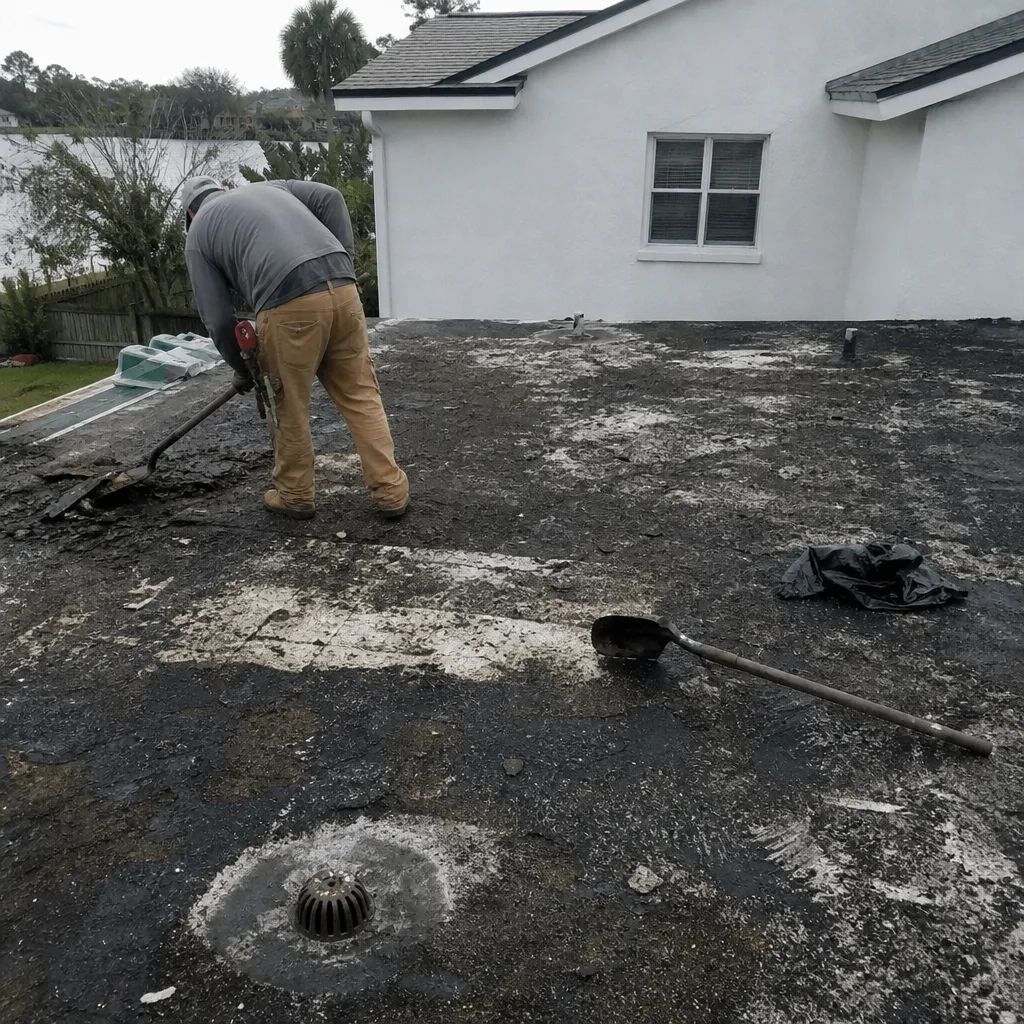 Before
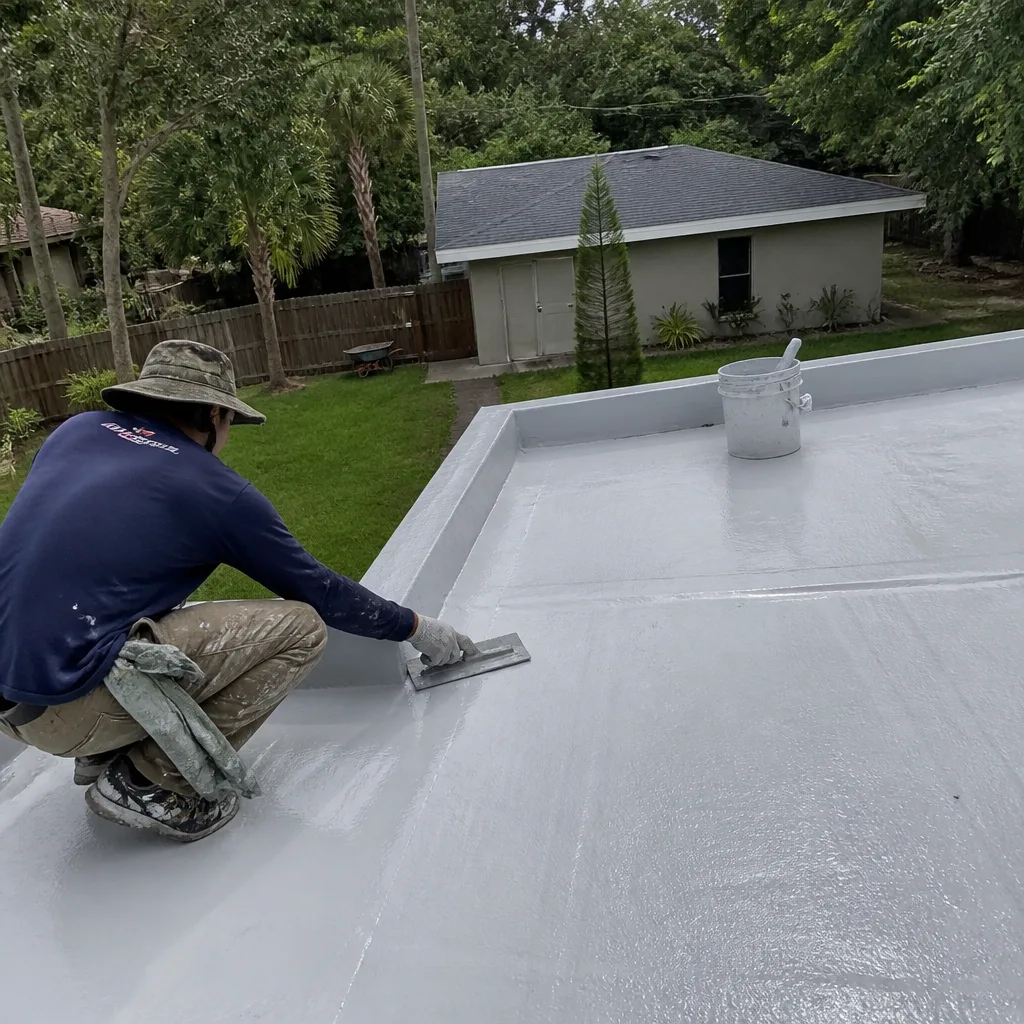 After
After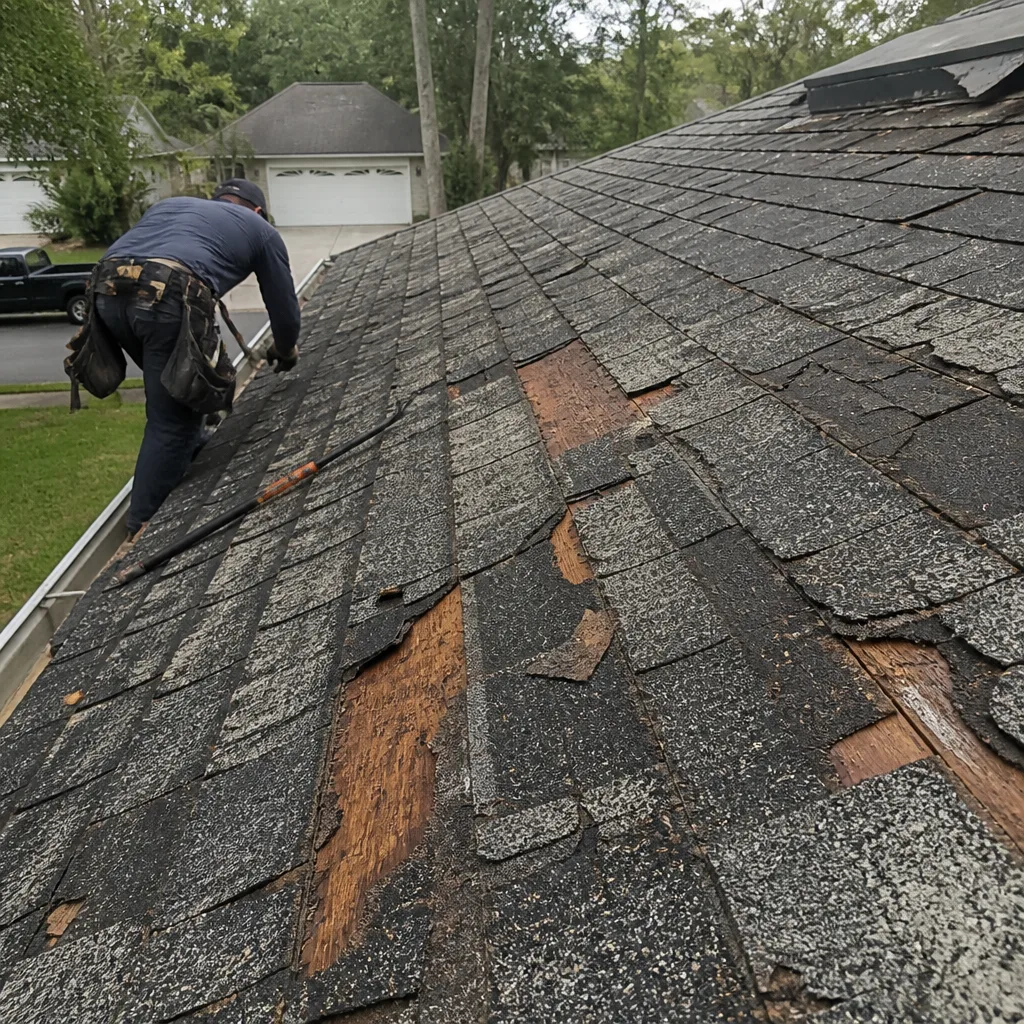 Before
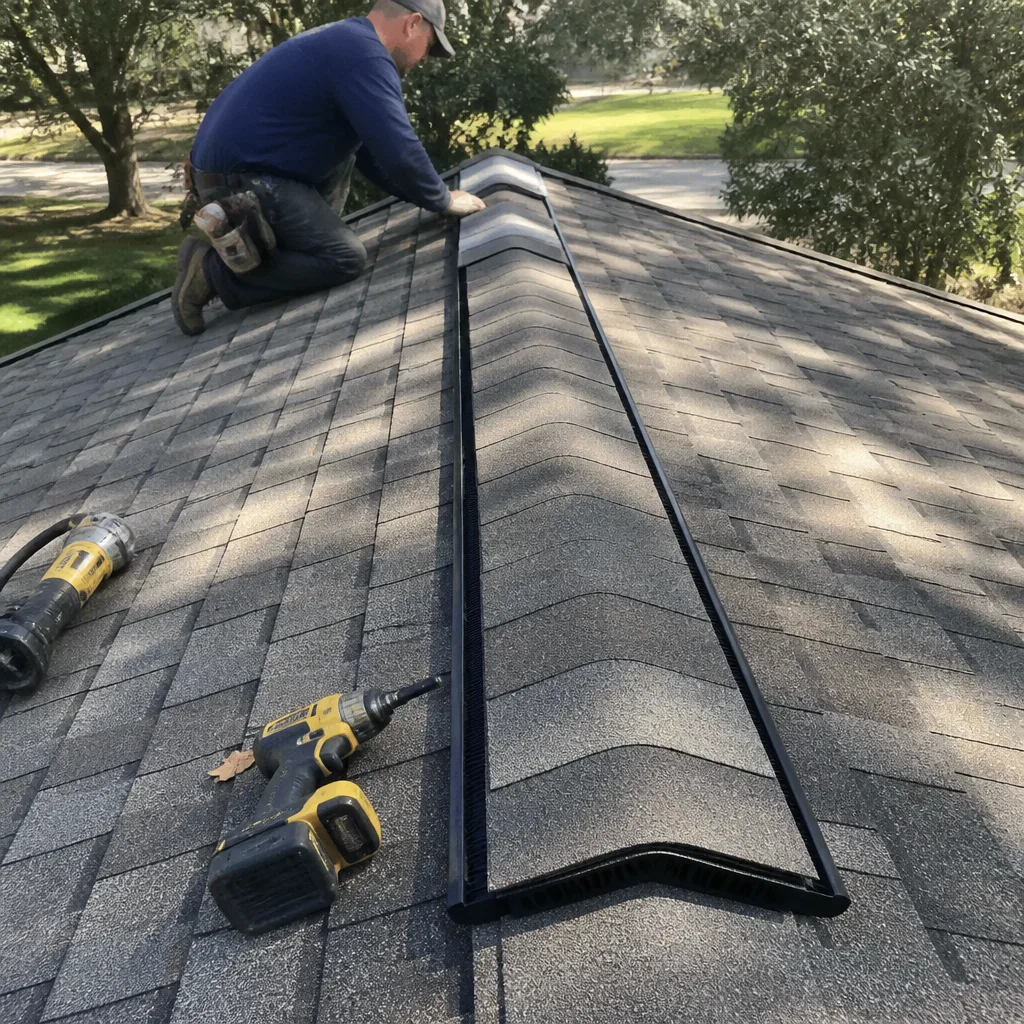 After
After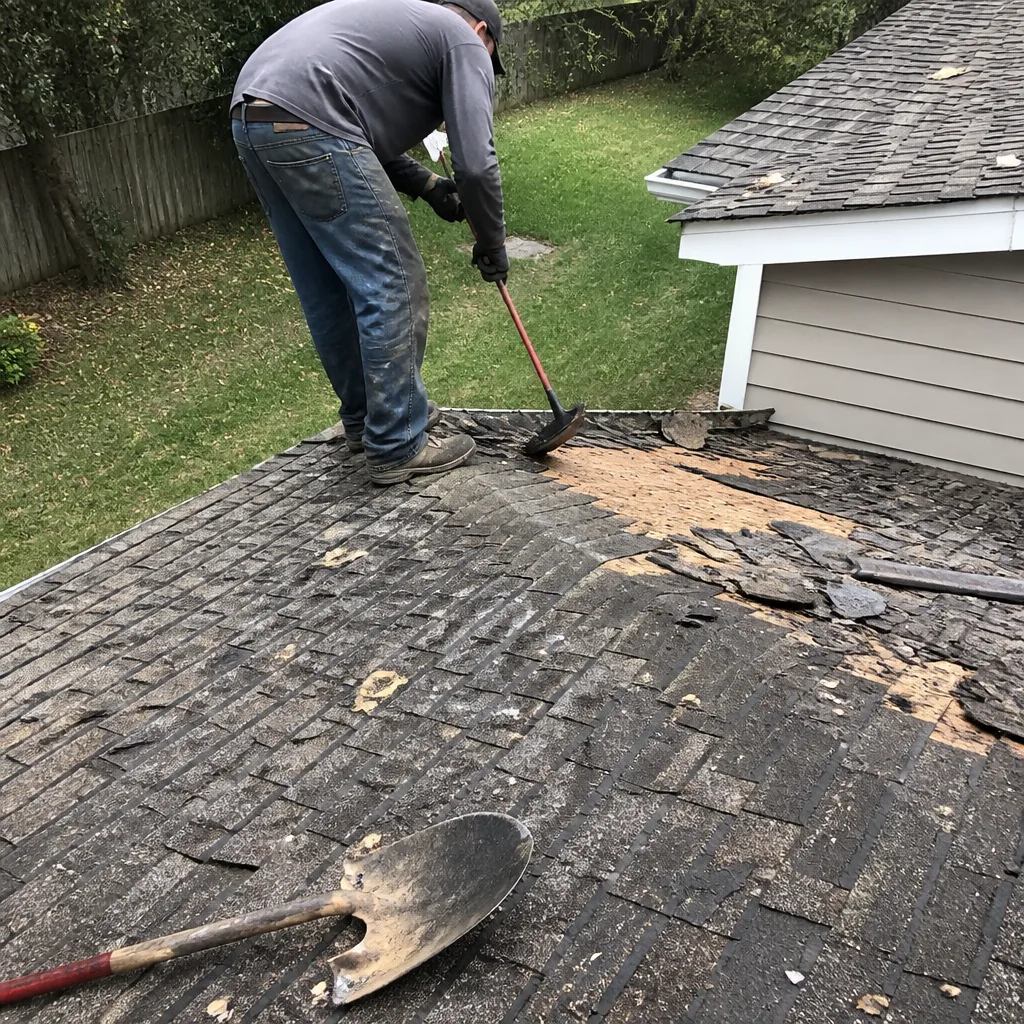 Before
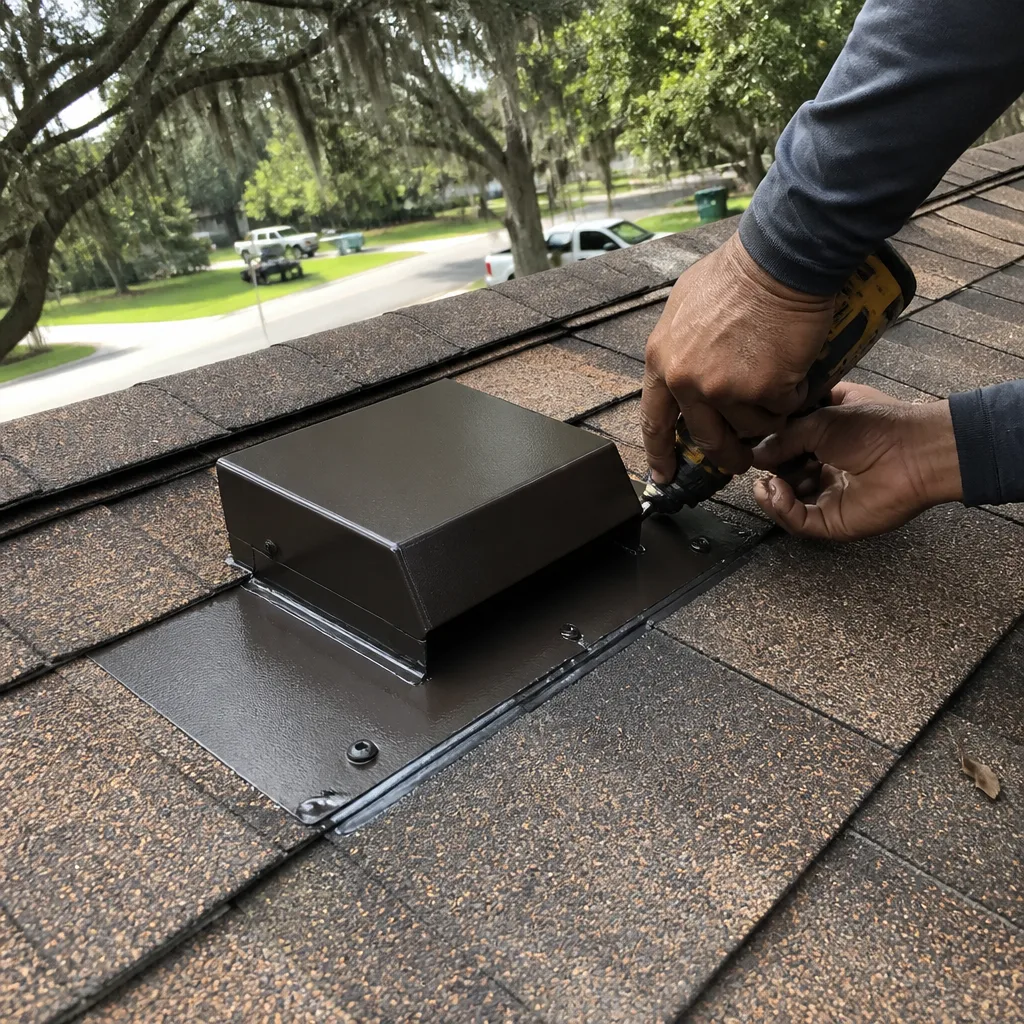 After
After