
Last updated October 17, 2026
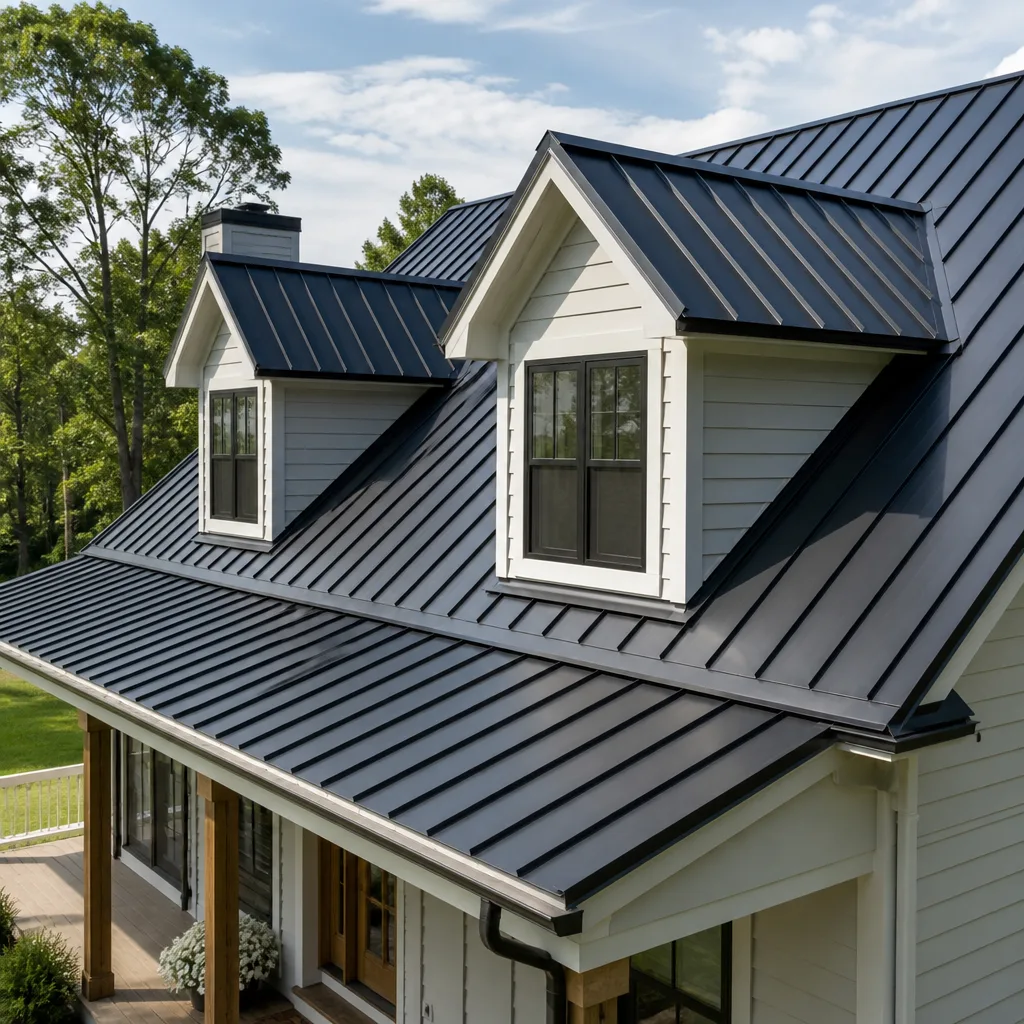 Metal roofing
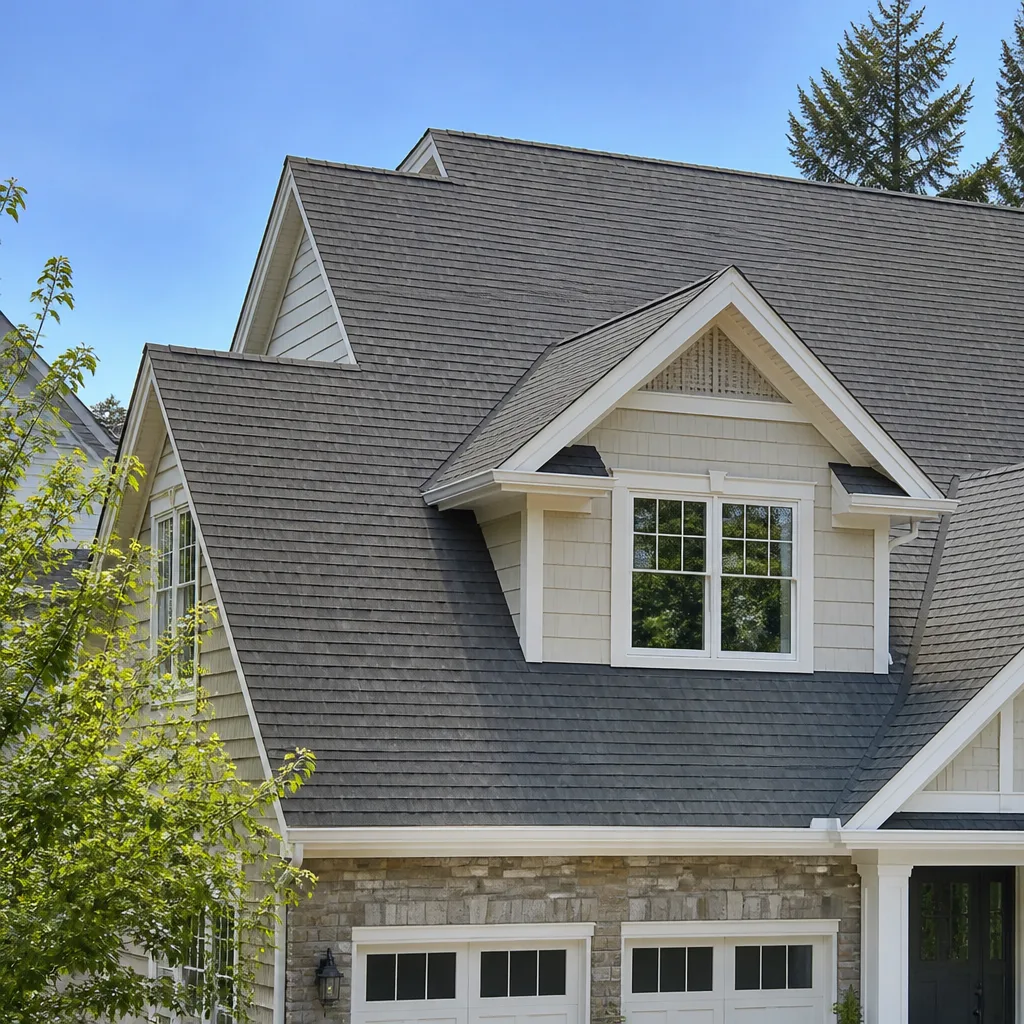 Architectural shingles
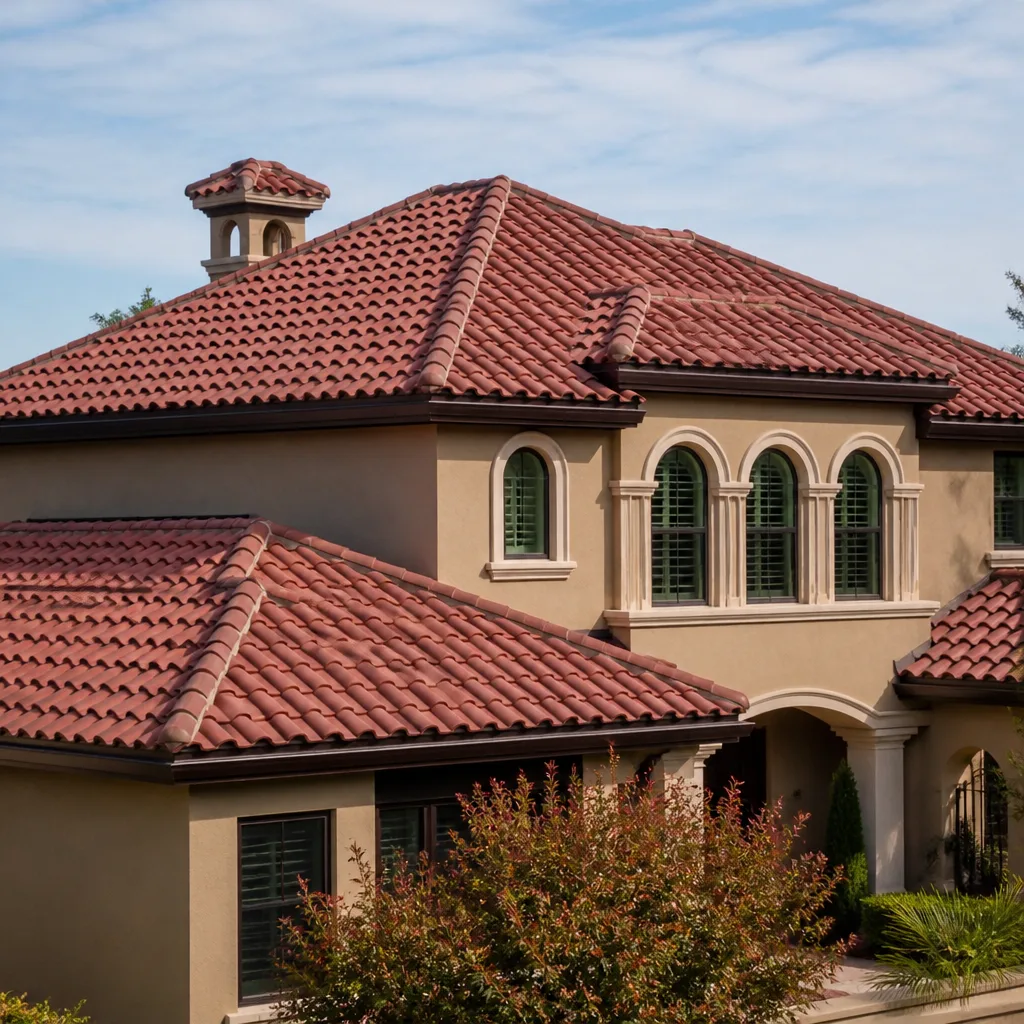 Tile roofing
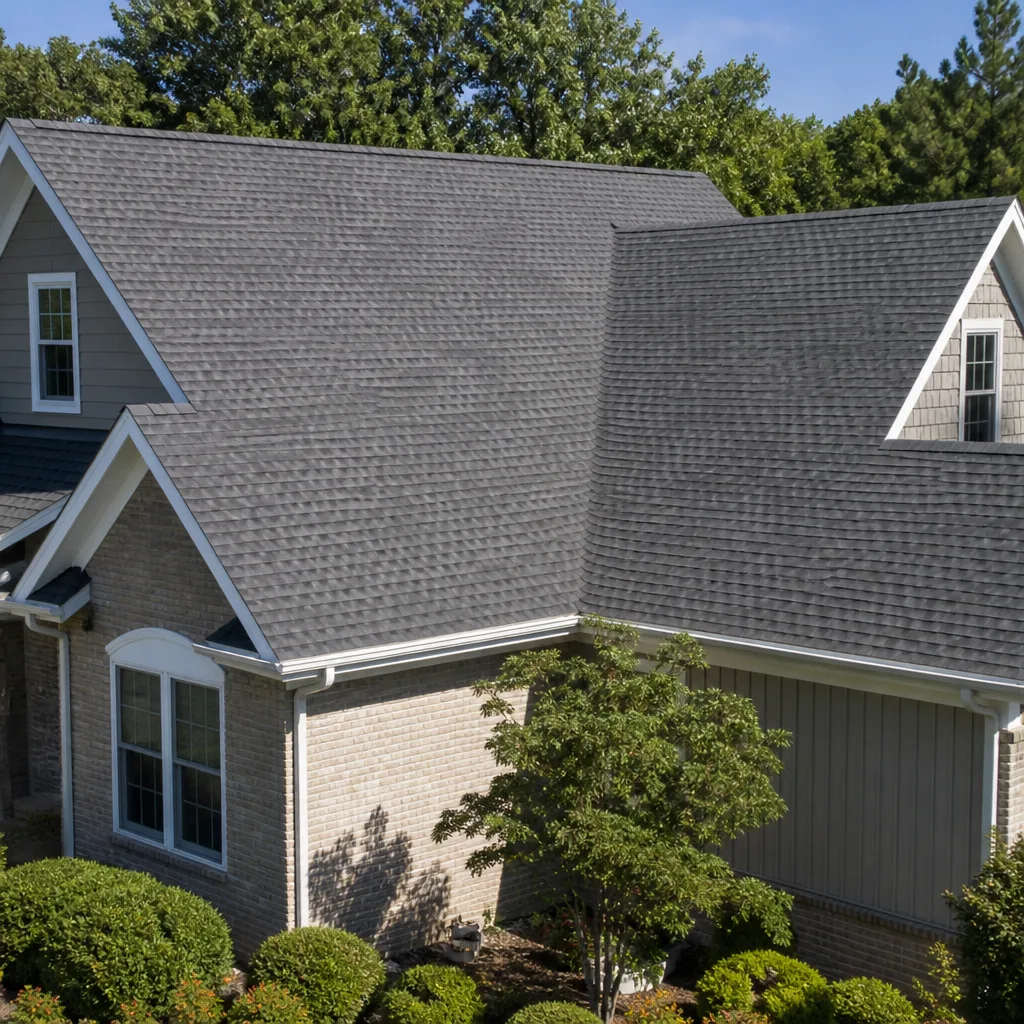 GAF
GAF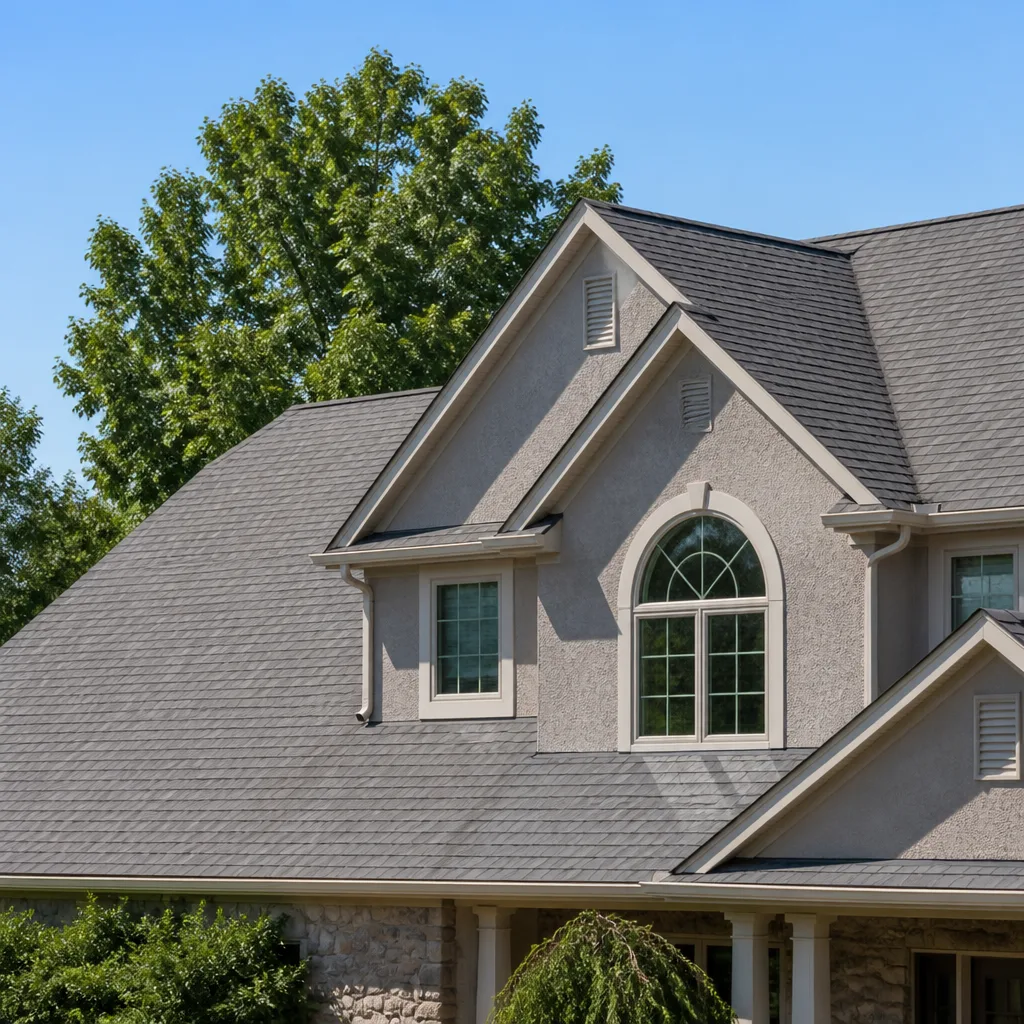 Owens Corning
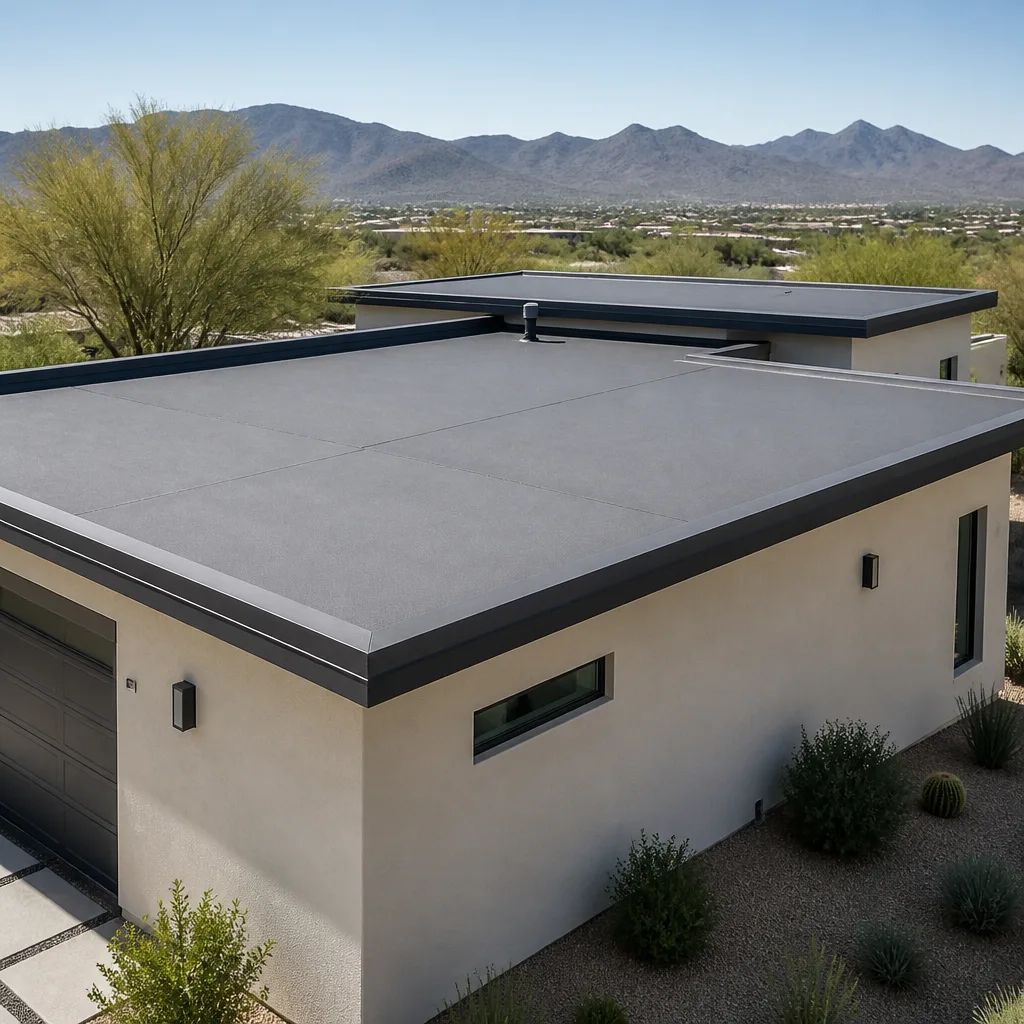 Flat & low-slope
Free roof inspection with deck photos before we talk money - GAF and Owens Corning certified installation
Roofing Cost Breakdown: The Jacksonville Homeowner’s Reference for 2026
Here’s a number most Jacksonville homeowners never see in a roofing quote: $0. That’s what many out-of-town storm chasers write next to “contingency decking” before they tear off your old shingles. They know the real number will surface after the roof is open, when the framing is exposed and you have no leverage. This guide shows you the full cost picture for a Jacksonville re-roof in 2026, line by line, so the estimate you sign is the price you pay. We’ll walk through materials, labor, permits, and the hidden costs tied to Florida building code, Jacksonville’s climate, and the post-Ian insurance market. You’ll learn how to read a roofing quote like a contractor, ask for the right contingencies, and compare shingle options over a 20-year horizon instead of a 2-year glance.
Styles & brands we work with
Quick Answer
A 2,000 sq ft asphalt shingle re-roof in Jacksonville typically runs between $9,800 and $16,500 in 2026, depending on shingle grade, decking condition, and whether the home needs a secondary water barrier upgrade. Architectural shingles are the most common choice, landing most homeowners between $11,000 and $14,000. Every quote should name a written price that includes permit fees, disposal, and a documented contingency for rotted decking before any work starts.
Table of Contents
- What a Jacksonville Roof Actually Costs in 2026
- The Line-by-Line Breakdown Most Quotes Hide
- The Pre-2002 Decking Problem
- 3-Tab vs Architectural vs Impact-Resistant: A 20-Year Cost
- What “Price Per Square” Actually Means
- How a Written Price Protects You
- Florida Code Requirements That Affect Your Jacksonville Roof
- Common Mistakes to Avoid
- When to Call a Professional
- Frequently Asked Questions
- The Bottom Line
What a Jacksonville Roof Actually Costs in 2026
Jacksonville roofing prices in 2026 sit higher than most homeowners expect, and the reasons are specific to this market. Florida’s post-Ian insurance environment pushed material prices upward through manufacturer demand, while Duval County’s permit and inspection fees add a line item many contractors bury in “overhead.” The result: a typical architectural shingle re-roof on a 2,000 sq ft single-story home costs between $11,000 and $14,000 in Jacksonville. Here’s the market frame:
- 3-tab shingle roof (2,000 sq ft): $9,800 to $12,200
- Architectural shingle roof (2,000 sq ft): $11,000 to $14,500
- Impact-resistant shingle roof (2,000 sq ft): $14,500 to $19,000
- Standing seam metal roof (same footprint): $22,000 to $34,000
These figures assume a single-story home with a straightforward pitch and no major decking surprises. Multi-story homes add labor and safety costs. Steep pitches add staging time. If you live in areas like Mandarin or Ortega with mature tree canopies, expect additional debris handling and, occasionally, moss or organic growth removal before new underlayment goes down. Jacksonville’s humidity means we regularly see elevated moisture readings at the decking level along north-facing slopes, which influences whether a re-deck is needed.
The Line-by-Line Breakdown Most Quotes Hide
The gap between two Jacksonville roofing quotes often comes down to what each contractor chooses not to print. A complete quote should itemize five line categories. Here’s how they actually break down on a 2,000 sq ft architectural shingle re-roof, using 2026 Jacksonville market figures:
- Materials: $4,500 to $5,800. Shingles, underlayment, fasteners, ridge caps, pipe boots, flashing, and drip edge. Brand matters here. We work with GAF, CertainTeed, and Owens Corning manufacturer-certified systems, which carry backing from the manufacturer when installed to spec.
- Labor: $3,600 to $4,800. Tear-off, install, and detail work such as valley weaving and flashing replacement. Jacksonville’s labor market competes with storm-chaser crews who drop in after hurricane seasons, which keeps pricing volatile.
- Permit and inspection: $250 to $600. Duval County requires permits for re-roofs, with fees scaled to project valuation. Inspections happen at dry-in and after completion.
- Disposal and logistics: $400 to $800. Dumpster, hauling, and site protection. A dumpster on a Jacksonville driveway during a summer afternoon adds heat reflection some homeowners don’t anticipate. We cover this in the written price, including the clean-up photo before the crew leaves.
- Contractor overhead and margin: $1,000 to $2,500. This covers licensing, insurance, warranty administration, and having a live person answer the phone at 7 p.m. on a Tuesday when you find a leak after a downpour.
If a quote arrives with a single bottom-line number and no line items, that’s a conversation worth having before signing. A written price, itemized, is the only way to know what you’re comparing.
The Pre-2002 Decking Problem
Homes throughout Jacksonville’s established neighborhoods, including Murray Hill, Springfield, and the Southside’s older subdivisions, often pre-date the 2002 Florida Building Code update that tightened decking attachment requirements. That pre-2002 construction can mean two things at tear-off: decking originally nailed below current fastener spacing, and wood that has absorbed decades of northeast Florida humidity. No contractor can tell you the full decking scope from the ground. We can’t either.
What a written price should include is a contingency line: a specific dollar amount per sheet of decking replaced, with the understanding that you’ll see the actual count once tear-off exposes the framing. Ask your roofer to write it this way: “Decking replacement, if needed, billed at $X per 4×8 sheet, measured on site, photographed before replacement.” That’s a protection against the most common mid-job escalation tactic in Jacksonville roofing: a low initial quote that excludes decking entirely, then a change order two hours into tear-off when the homeowner is already committed.
In our experience, roughly one in three Jacksonville homes built before 2002 needs at least some decking replacement along valleys, eaves, or around plumbing penetrations. The homes near the St. Johns River and Intracoastal Waterway see more of this due to persistent moisture exposure. The fix is planning for it, not being surprised by it.
3-Tab vs Architectural vs Impact-Resistant: A 20-Year Cost
Jacksonville homeowners often choose shingles on upfront cost alone. The smarter math looks at total cost over 20 years, factoring in the insurance premium discounts that impact-resistant shingles qualify for in Florida. Here’s the honest comparison:
- 3-tab (25-year rated, real-world 18-22 years in Jacksonville sun): Cheapest upfront at $9,800 to $12,200. Highest real-world replacement frequency. Jacksonville’s July heat and August storms age 3-tab shingles faster than the manufacturer’s warranty suggests. No meaningful insurance discount.
- Architectural (30-year rated, real-world 24-28 years): The workhorse of Jacksonville roofs. Moderate cost at $11,000 to $14,500. Better wind resistance ratings than 3-tab, which matters for a city that catches outer bands from Atlantic storms. Modest insurance consideration, mostly through wind mitigation credits.
- Impact-resistant (Class 4 rated): Highest upfront cost at $14,500 to $19,000. In Florida, these often qualify for real premium reductions, sometimes 10% to 30% depending on carrier and policy. Over 20 years, the math can flip: a higher initial cost offset by lower annual premiums. Jacksonville’s hail risk is lower than inland Florida, but the wind-driven debris risk during hurricane season is real.
One clarification on brands: we install GAF, CertainTeed, and Owens Corning architectural and impact-rated systems because those manufacturers provide clear wind warranty language and localized training for Jacksonville contractors. The shingle brand matters less than the installation spec. A spec-level install from any of those manufacturers will outlast a premium shingle slapped down by a crew that skipped starter strips.
The Roof Replacement in Jacksonville guide covers the full replacement process if you’re deciding between repair and re-roof now.
What “Price Per Square” Actually Means
A roofing “square” is 100 square feet of roof area. A 2,000 sq ft home often has 2,200 to 2,600 sq ft of roof surface because of pitch and overhangs. When a Jacksonville contractor quotes “$450 per square,” they’re multiplying the number of squares by that rate to reach a labor and material figure. Straightforward enough. But here’s where two quotes with the same per-square price can be very different jobs:
- What’s counted as square footage. Some contractors quote the home’s living area, not the actual roof area. If your 2,000 sq ft home has a 2,400 sq ft roof, quoting off living area undercharges 400 sq ft, which gets reconciled later, after the contract is signed. Ask: “Is this price based on actual roof measurements or living area?”
- What’s excluded from the per-square rate. Flashing, drip edge, ridge vents, pipe boots, and starter strips should be line-itemed separately or explicitly stated as included. A per-square price that quietly excludes flashing is a low quote that isn’t low.
- The tear-off component. A per-square price often covers installation only. Tear-off and disposal of the old roof is a separate labor line. Confirm both directions: tear-off included, disposal included.
- Access and staging. A two-story Arlington home with steep roof planes costs more per square than a single-story home in Murray Hill. The per-square rate should reflect the actual roof, not a generic Jacksonville average.
When we quote a roof, the written price shows the measured roof area, the per-square rate, and every inclusion spelled out. That’s the document you want from any contractor before work begins.
How a Written Price Protects You
The most common mid-job cost escalation tactic in roofing is the unbudgeted change order. It follows a pattern: the initial quote is low, tear-off begins, and then the contractor “discovers” that decking needs replacement, that the flashing is worse than expected, or that the home needs a secondary water barrier upgrade required by current code. The homeowner is mid-project and authorizes the change because stopping isn’t practical.
A written price, provided before work starts and itemized by line, is the primary defense. Here’s what to look for in the contract language:
- Contingency pricing in writing. Decking replacement should show a per-sheet rate with a clear process for confirmation. We photograph the exposed decking and share the count before any replacement nails go in.
- Inclusions that are stated, not implied. The contract should say whether permit fees, disposal, drip edge, and flashing are included. If it doesn’t say, it isn’t.
- A scope that matches the quote. The number of squares, the shingle brand and model, the underlayment type, and the ventilation approach should all be written down. Verbal agreements don’t hold weight at inspection time.
- A warranty tied to a local address. Manufacturer warranties are only as useful as the installing contractor’s presence. A warranty from a storm chaser who leaves Jacksonville in November is paper. Ours is backed by an address in Jacksonville: the Birchbark Roofing Jacksonville home page shows who we are and how we work.
At Birchbark Roofing, the written price is non-negotiable as a practice. It’s not an upgrade or an option. It’s the baseline: a written price in dollars before any work starts, always provided, never negotiated away. The 365-Day Done Right Promise covers every repair and replacement, which means if something isn’t right after the job, we make it right. That promise means little without a written price behind it, because you need to know what “right” was supposed to include.
Florida Code Requirements That Affect Your Jacksonville Roof
Jacksonville’s climate drives roofing code harder than most homeowners realize. The Florida Building Code, as enforced in Duval County, sets requirements that often surprise people replacing a roof for the first time. Understanding these helps you read a quote with confidence:
- Secondary water barrier. Florida code requires a secondary water barrier in certain roof configurations. If your home predates the requirement, a full re-roof may include adding it. This is a real cost and a real protection against wind-driven rain, which Jacksonville gets during tropical systems.
- Nail spacing and pattern. The code specifies fastener patterns based on wind zone. Jacksonville sits in a high-wind region relative to inland Florida. Proper nailing matters more than shingle brand when a storm passes through.
- Re-nailing requirements at re-roof. If the decking does not meet current attachment standards, code requires re-nailing the entire deck before underlayment goes down. This can add $800 to $1,600 on a 2,000 sq ft roof and is non-negotiable at the permit inspection.
- Ventilation requirements. Duval County inspectors check for adequate intake and exhaust ventilation. Some older Jacksonville homes need additional soffit or ridge venting, which should be in the quote from the start.
A contractor who knows Jacksonville permitting pulls the permit, schedules the inspections, and passes them. Our philosophy is that permits and inspections are part of careful work, not an obstacle to it. If you’re weighing repair against replacement because of code issues, our Roof Repair in Jacksonville page explains what can be patched and what needs full re-roof treatment.
Common Mistakes to Avoid
- Signing a quote without a line-item breakdown. A single bottom-line number gives you nothing to compare and no protection when the contractor claims something was “always extra.” A written, itemized price is the standard in Jacksonville for any reputable roofer.
- Choosing the lowest per-square price without reading inclusions. Two quotes can show the same per-square rate and differ by thousands after one excludes flashing, tear-off, or permit fees. Compare the total written scope, not the headline number.
- Ignoring the decking contingency. Pre-2002 Jacksonville homes frequently need some decking replacement. If your quote has no contingency language, plan on a change order. Ask for a per-sheet rate in writing before signing.
- Buying shingles by brand name alone. GAF, CertainTeed, Owens Corning, and IKO all make good products. The installation spec matters more. A premium shingle poorly installed fails sooner than a mid-grade shingle installed carefully.
- Skipping the permit. Some Jacksonville homeowners are tempted by contractors who offer “no permit” pricing. An unpermitted roof becomes a problem at resale and with insurance claims. Permits are part of the job, not optional.
- Not verifying who will be on the property. Ask whether the crew is background-checked and uniformed. You should know who is walking through your house and onto your roof. We make that a standard part of every Jacksonville job, because families with kids and pets deserve to know exactly who is climbing the ladder.
When to Call a Professional
Roof work is one of the few home projects where the risk curve is steep. A roof leak that gets “patched” with sealant often hides decking rot underneath. A missing shingle after a storm can expose the roof deck to Jacksonville’s afternoon thunderstorms within days. Any of these signs warrant a professional look: granules collecting in gutters, shingles lifting at the edges, water stains on ceilings, daylight visible in the attic, or a roof age of 15 years or more. These are not DIY situations, and safety is a real concern on a sloped roof over two stories. If you’re in Jacksonville and unsure whether your roof needs attention, Birchbark Roofing Jacksonville offers free estimates. Call (904) 604-7914 and we’ll send a roofer to look, explain what we see, and give you a written price if work is needed.
Frequently Asked Questions
Most Jacksonville homeowners pay between $11,000 and $14,500 for a 2,000 sq ft architectural shingle re-roof in 2026. The range shifts based on shingle grade, decking condition, roof pitch, and whether code-required upgrades like a secondary water barrier are needed. Call (904) 604-7914 for a written estimate specific to your roof.
Decking replacement is the most common hidden cost, especially on Jacksonville homes built before 2002. The wood beneath the shingles can’t be inspected until tear-off, so ask for a written per-sheet contingency price in your contract. That way the “hidden” cost is actually a known, capped line item.
Decking replacement in Jacksonville typically runs $60 to $110 per 4×8 sheet installed, depending on the wood grade and the scope of replacement. A home needing 15 sheets replaced would see $900 to $1,650 added to the job. The exact rate should be in your written price before work begins.
Yes, impact-resistant Class 4 shingles often qualify for insurance premium discounts in Florida, typically 10% to 30% depending on the carrier and policy specifics. The upfront cost is higher, but the 20-year math can favor impact-resistant shingles for Jacksonville homeowners who plan to stay in the home. Ask your insurance agent for the discount rate before choosing a shingle grade.
A standard 2,000 sq ft re-roof in Jacksonville typically takes 2 to 4 days from tear-off through final inspection, depending on weather, roof complexity, and any decking replacement discovered. Jacksonville’s summer afternoon thunderstorms can extend the timeline. We schedule around weather windows and keep a written schedule so you know what to expect each day.
Yes, Duval County requires a permit for roof replacement, and inspections happen at dry-in and after completion. An unpermitted roof creates problems at resale and with insurance claims. The permit fee and inspection scheduling should be included in your written price. Call (904) 604-7914 for a quote that includes every permit and inspection in writing.
The Bottom Line
Jacksonville roofing costs in 2026 range from about $9,800 for a basic 3-tab re-roof to $19,000 for impact-resistant shingles on a 2,000 sq ft home, with architectural shingles settling most homeowners between $11,000 and $14,500. The difference between a good roof and a regret often comes down to the paperwork: a written, itemized price with a decking contingency, named inclusions, and a warranty tied to a local contractor’s address. Choose a roofer who writes it all down before work starts. If you’re ready for a real number on your Jacksonville roof, call (904) 604-7914 for a free estimate. We’ll walk the roof, talk through what we see, and hand you a written price so you can plan with certainty.
Written by Erik Lindgren, Owner at Birchbark Roofing Jacksonville, serving Jacksonville since 2000.
See the difference
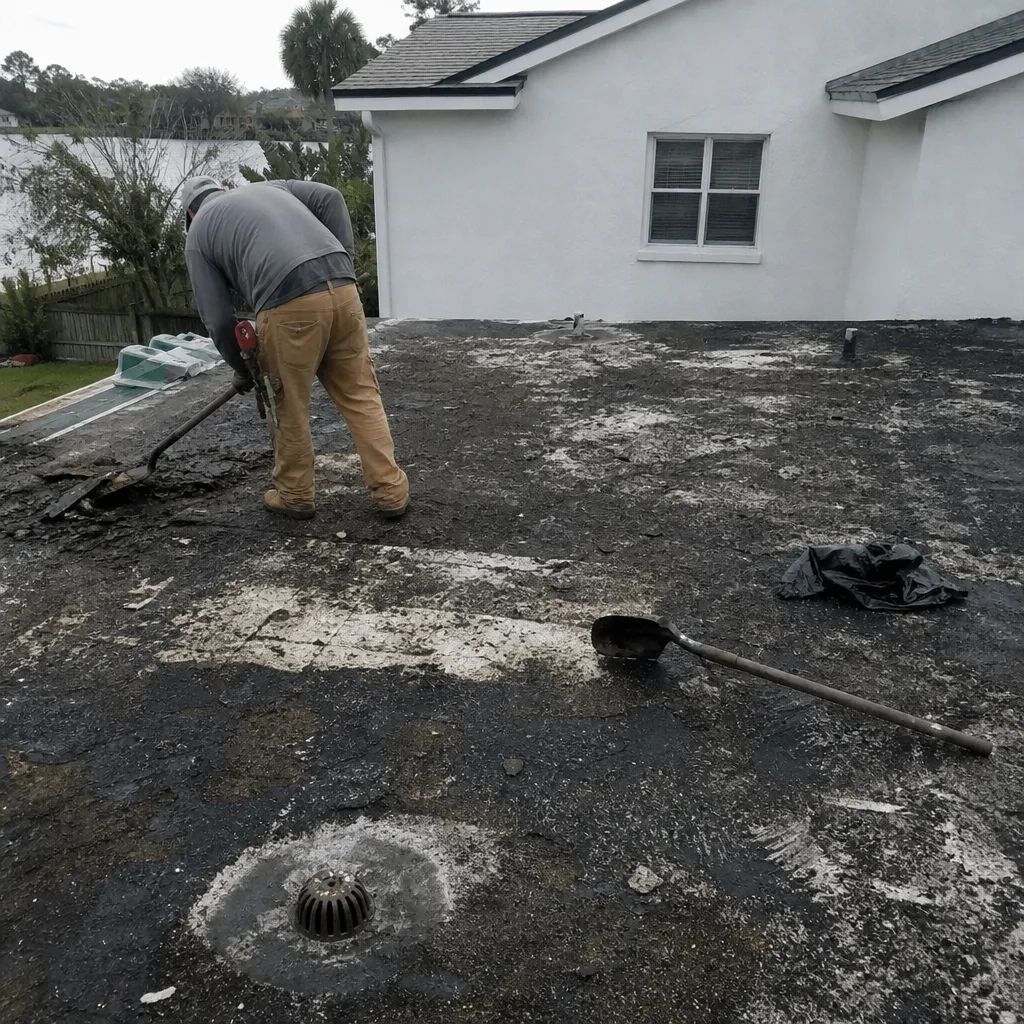 Before
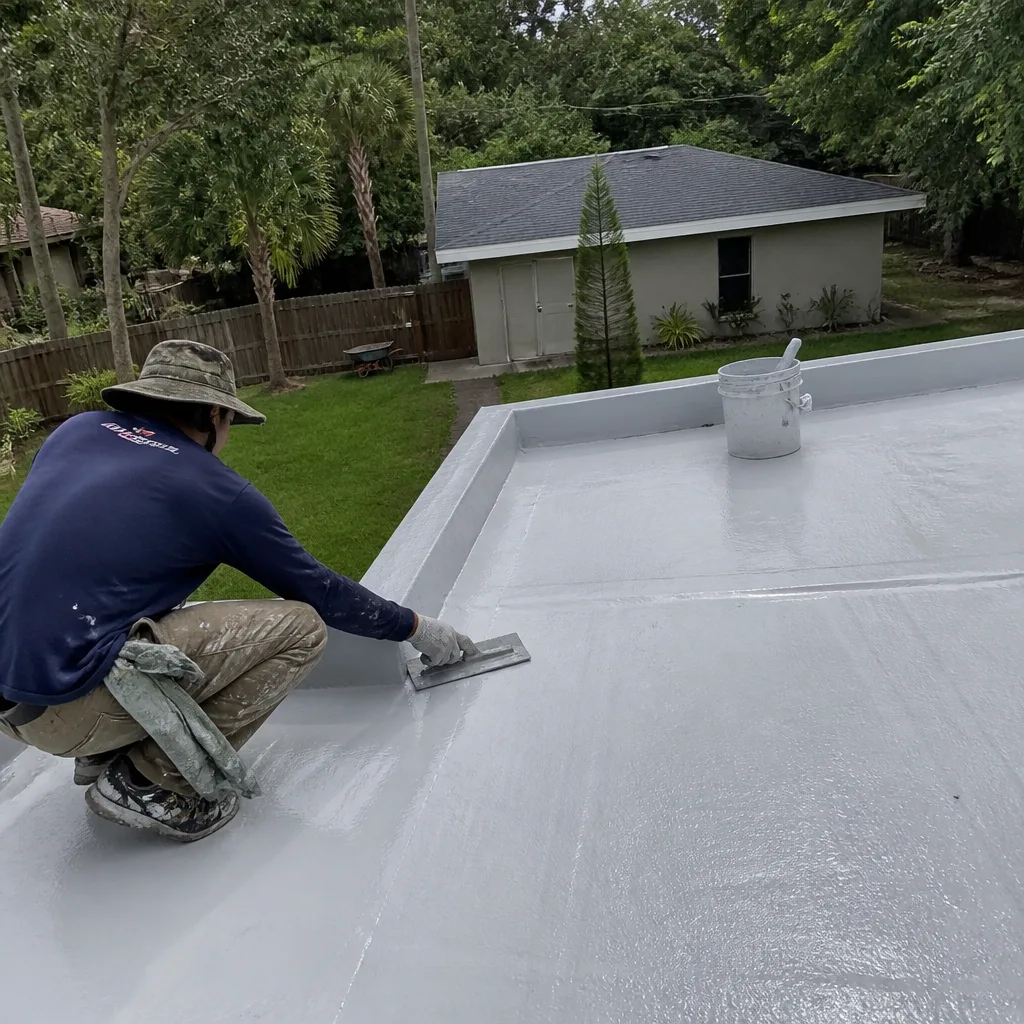 After
After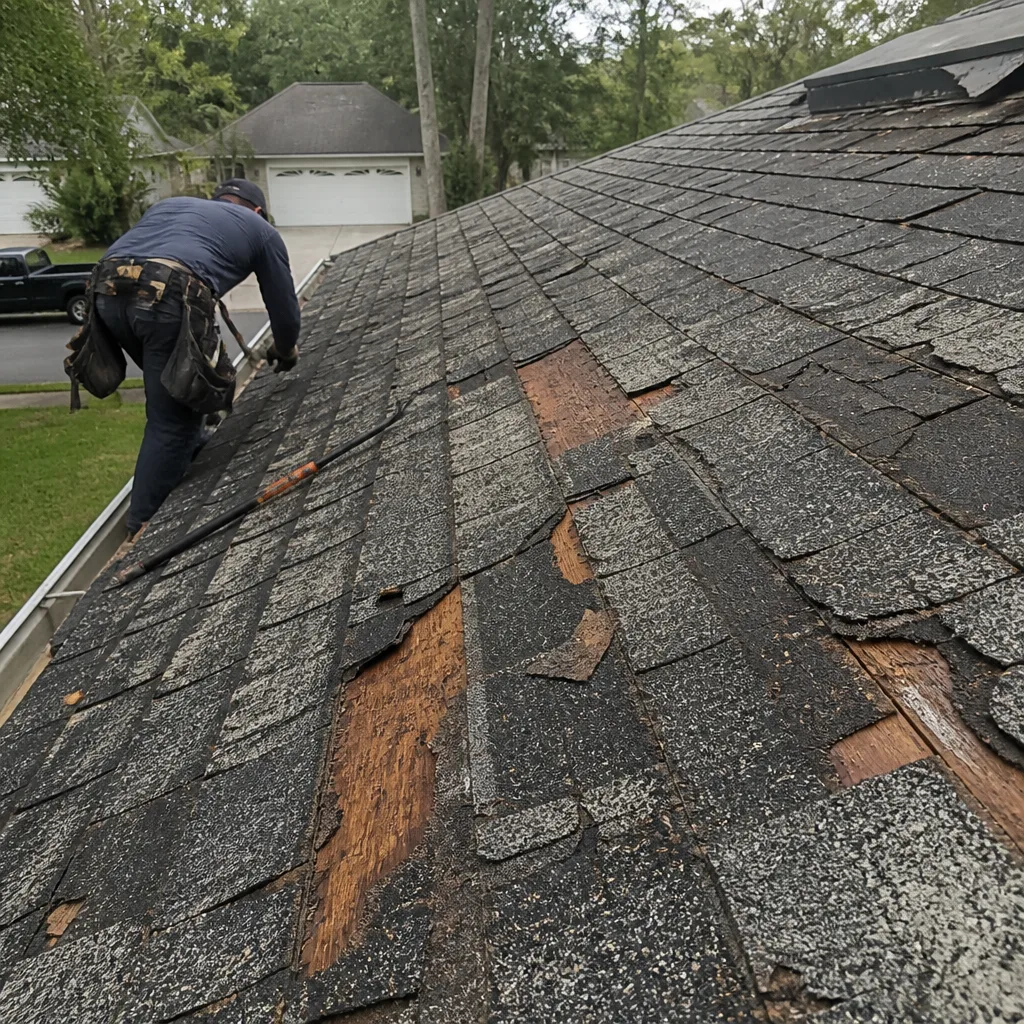 Before
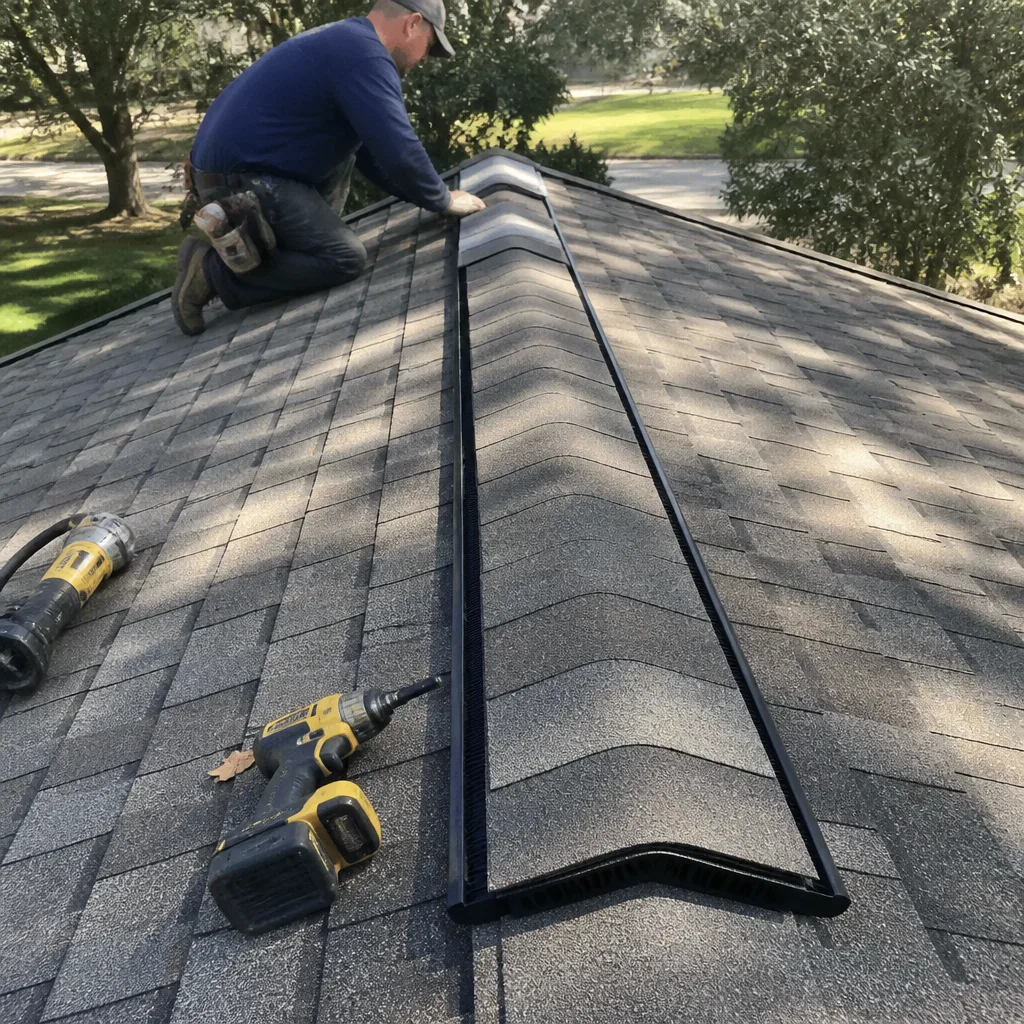 After
After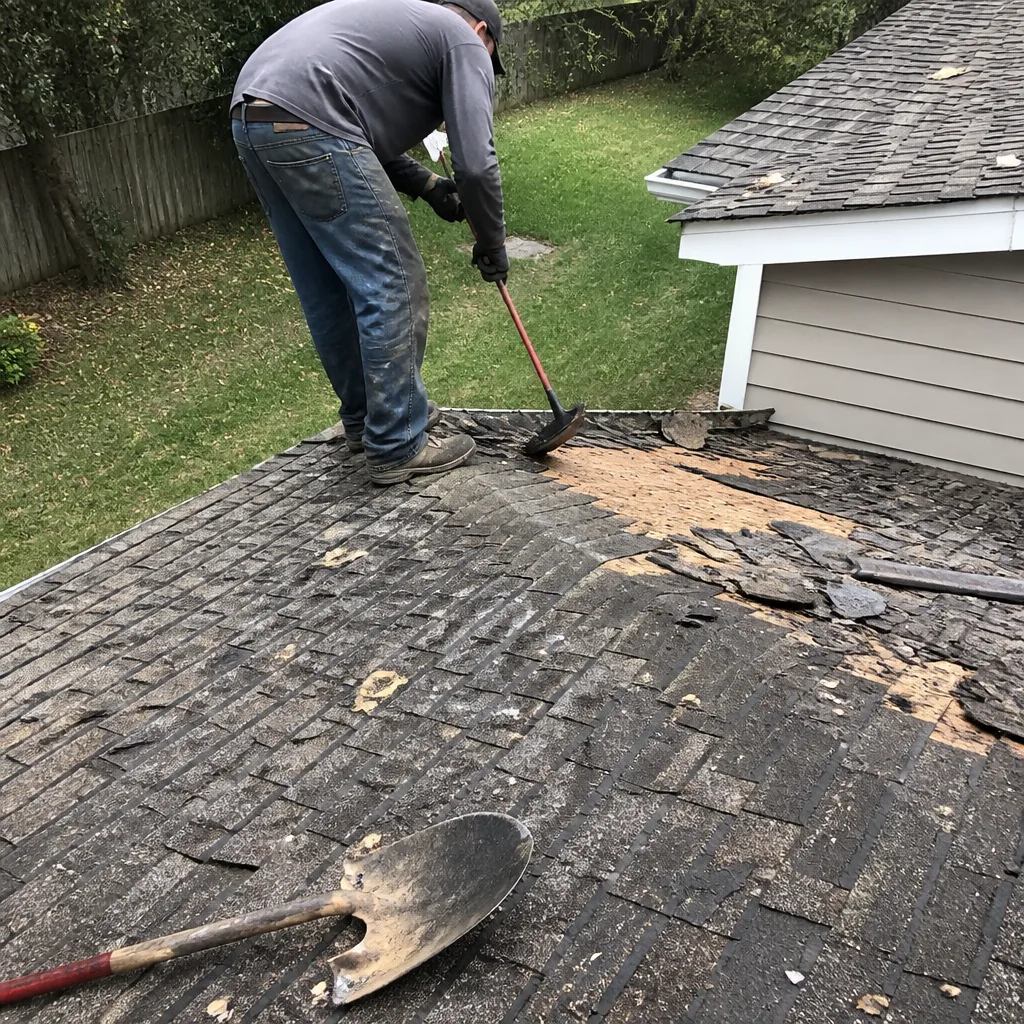 Before
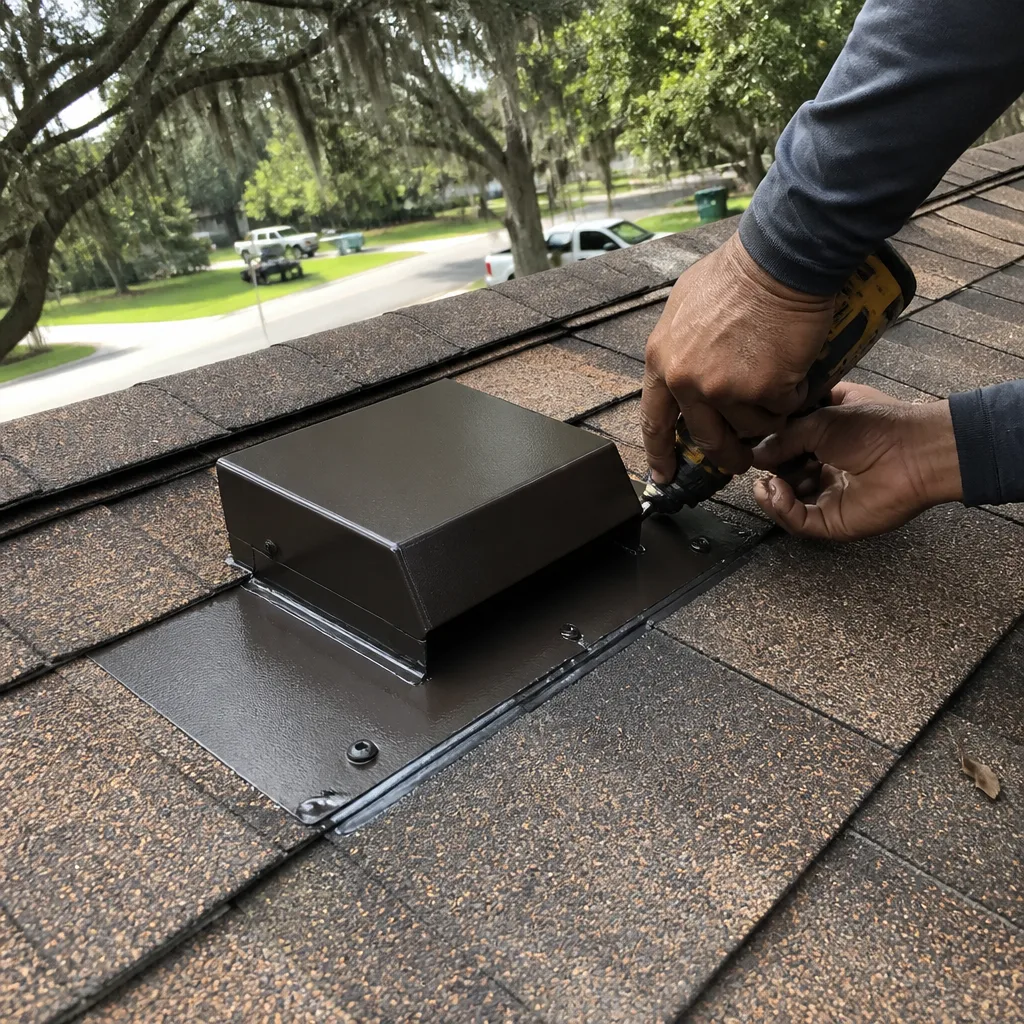 After
After