
Last updated October 17, 2026
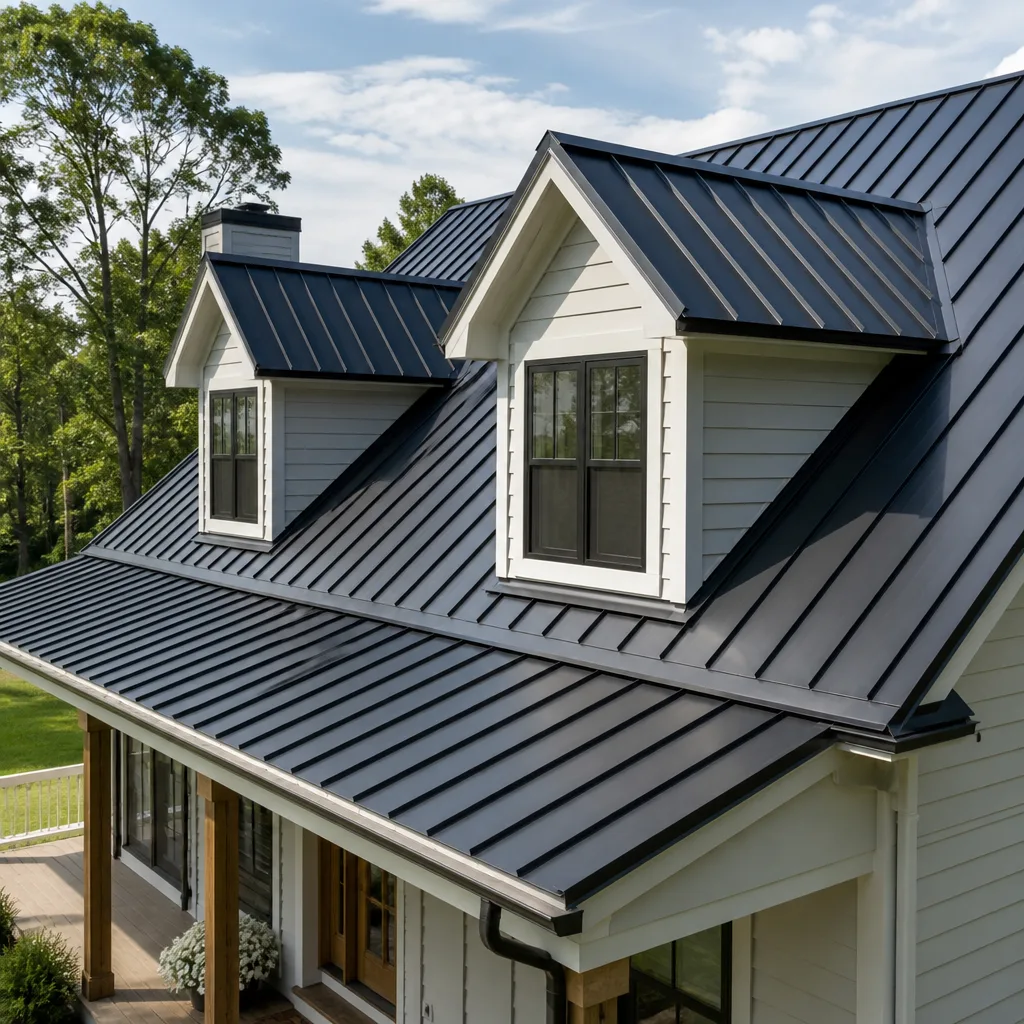 Metal roofing
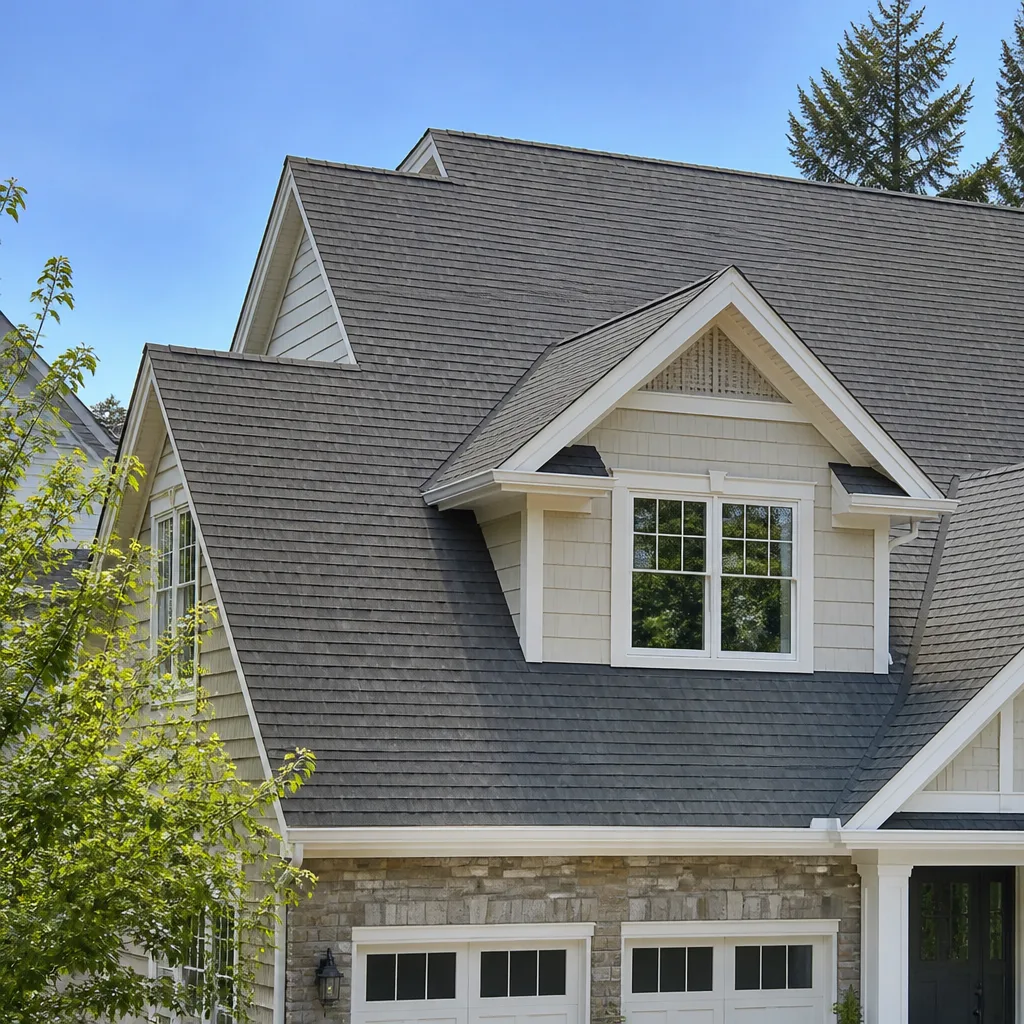 Architectural shingles
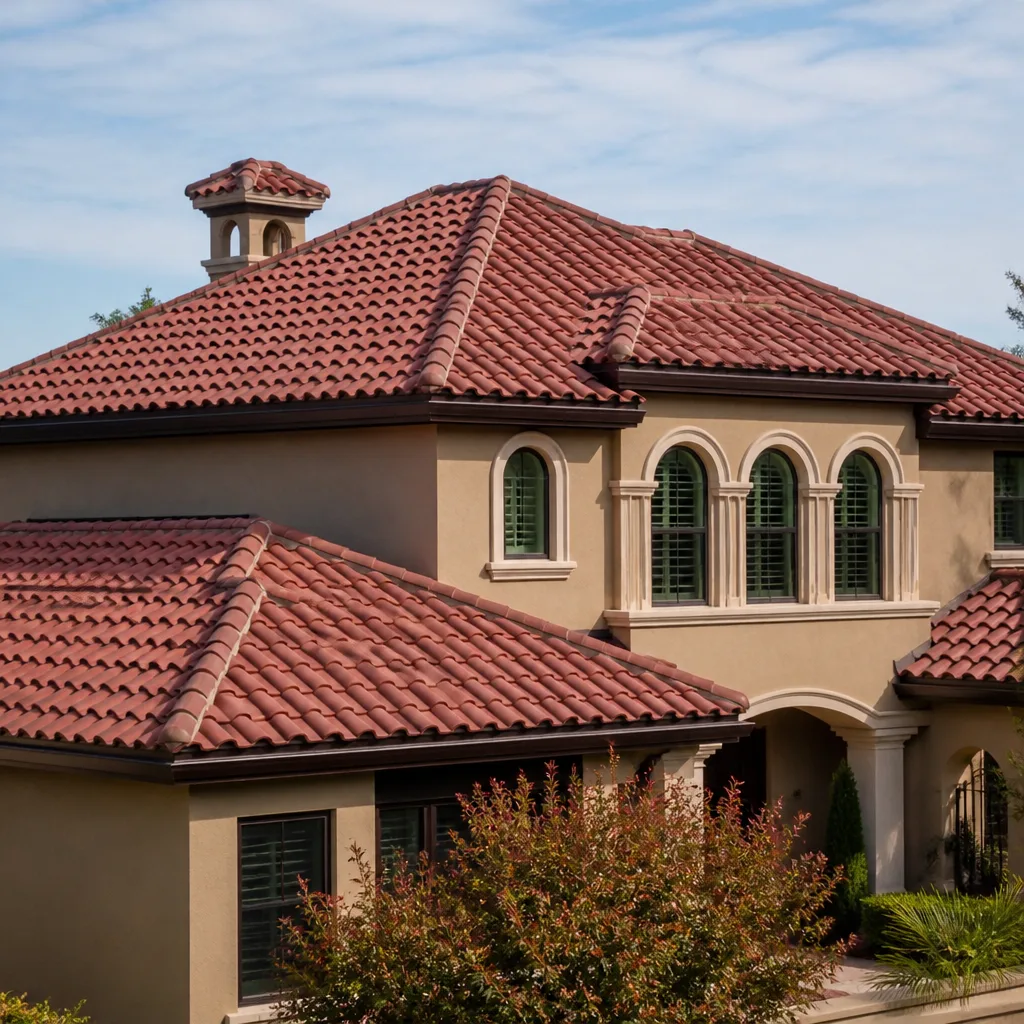 Tile roofing
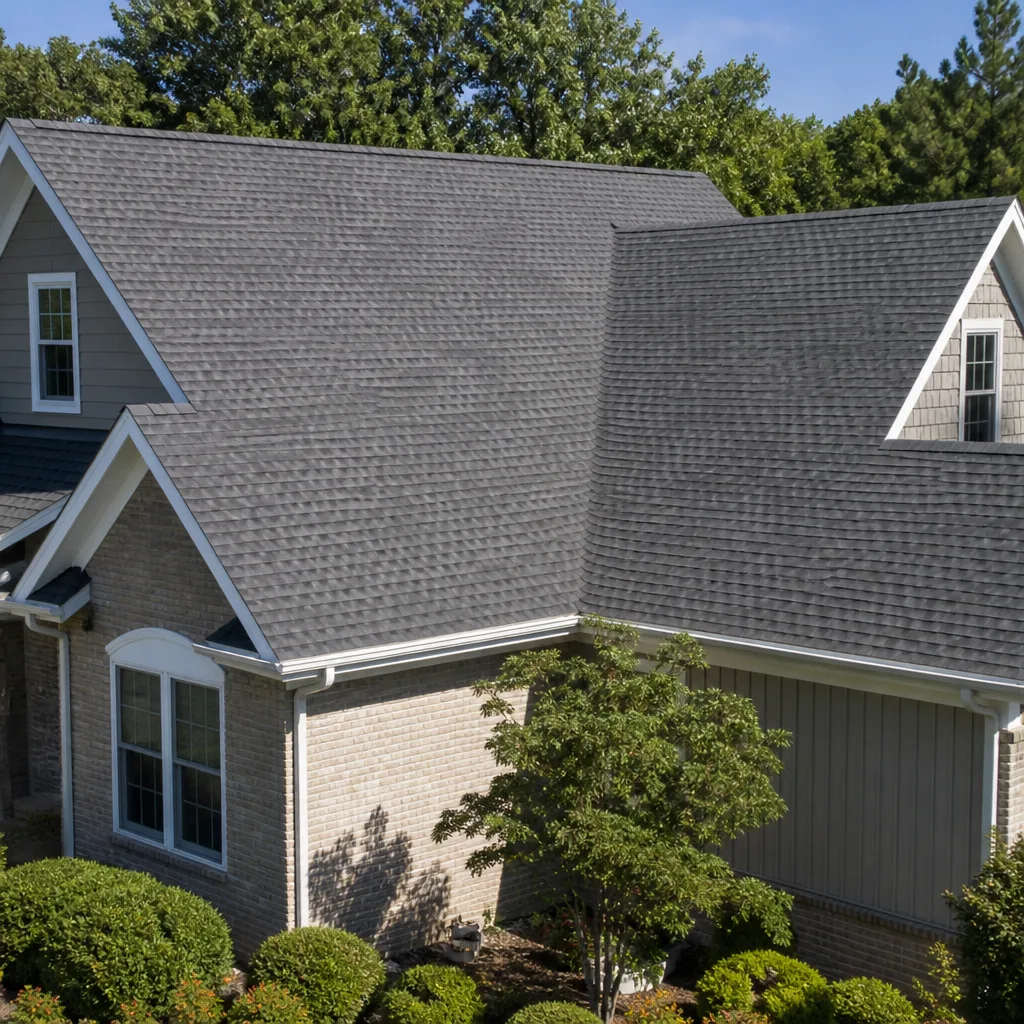 GAF
GAF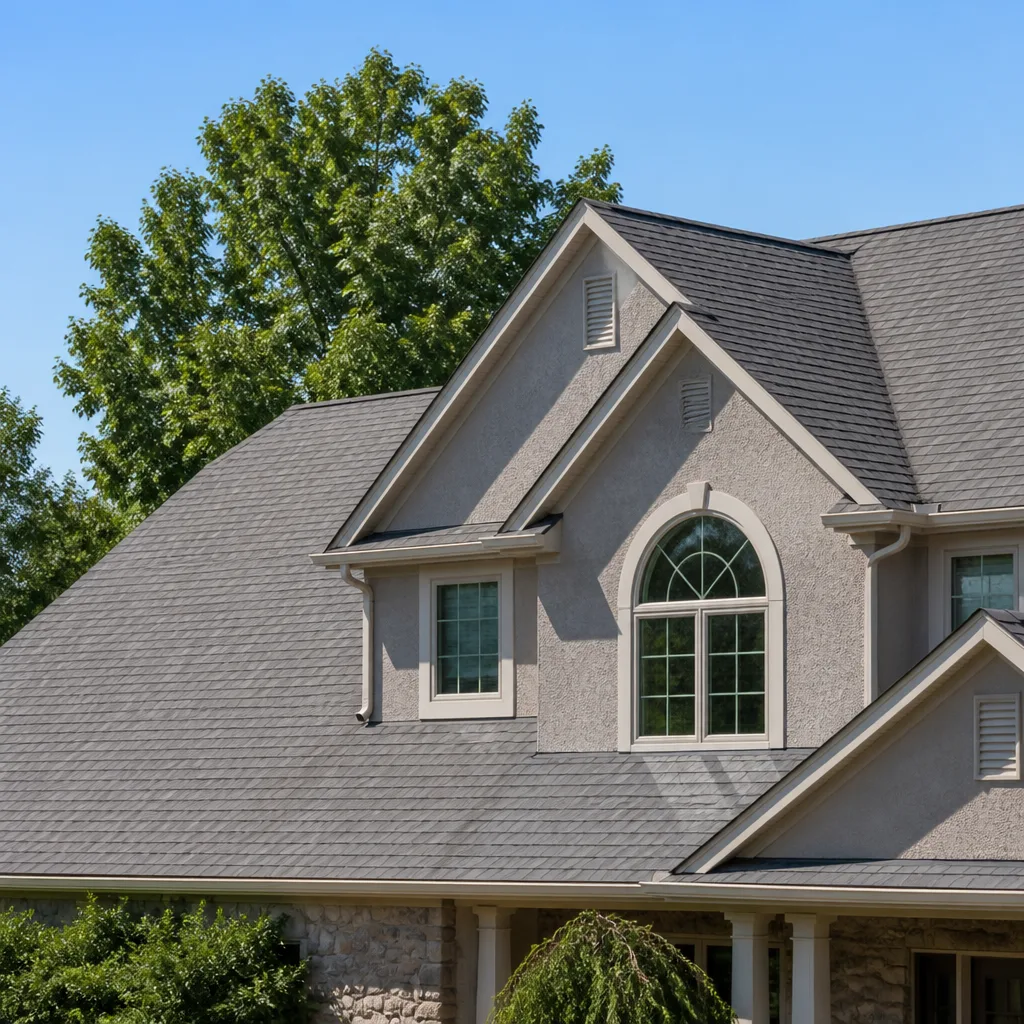 Owens Corning
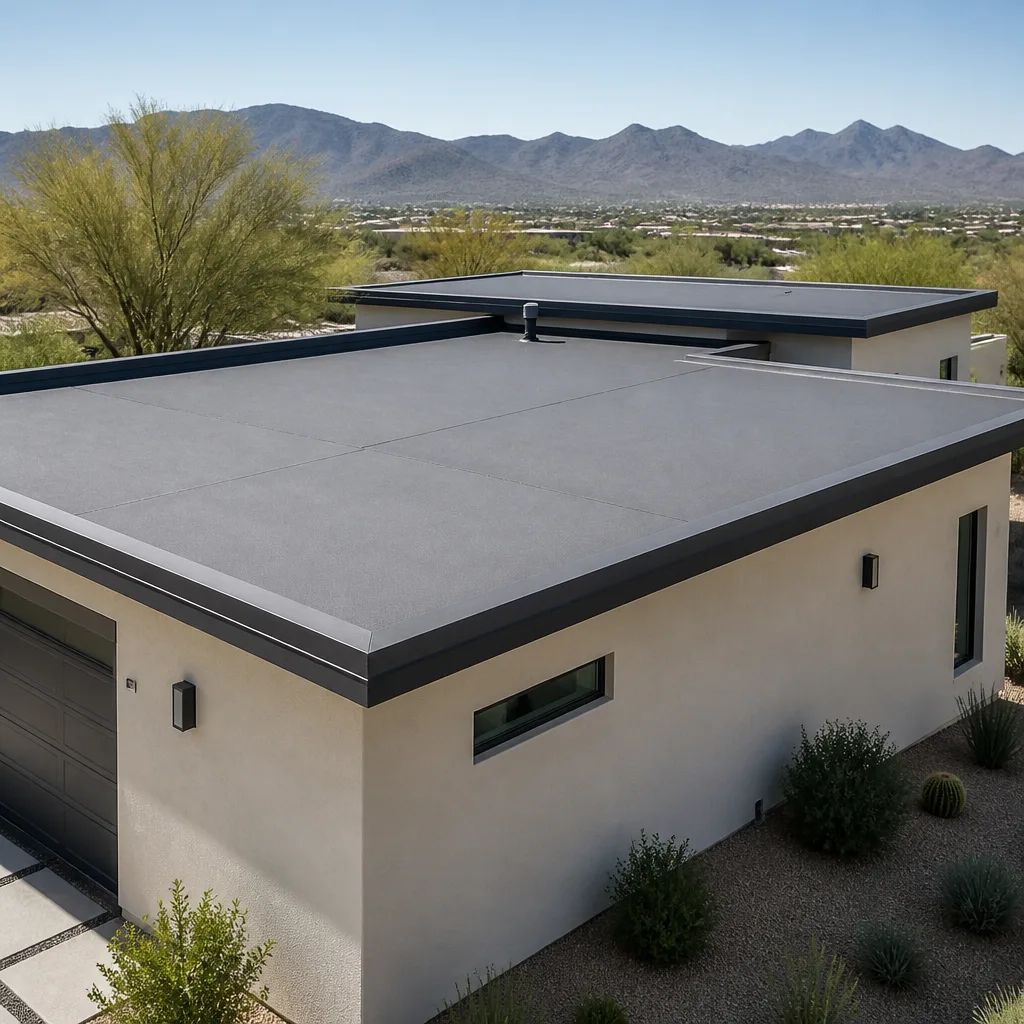 Flat & low-slope
Free roof inspection with deck photos before we talk money - GAF and Owens Corning certified installation
How to Hire a Roofing Contractor in Jacksonville: A Step-by-Step Guide
After Hurricane Irma, Florida’s Department of Business and Professional Regulation received hundreds of roofing complaints from Jacksonville homeowners who had hired contractors holding perfectly valid licenses. The license wasn’t the problem. The missing written scope and locked-in price were. A roof is the largest protective system on your home, and yet most people spend more time researching a car purchase than vetting the crew that will tear off and rebuild that roof while their kids sleep downstairs. This guide walks through the exact sequence that separates a contractor who will stand behind the work from one who will be gone before the first hard rain. We’ll cover license verification, written pricing, warranty language, and crew composition questions most guides skip entirely. Here is the full Birchbark Roofing Jacksonville home approach to hiring a roofer in Jacksonville.
Quick Answer
To hire a roofing contractor in Jacksonville, verify the CCC (Certified Roofing Contractor) license on the Florida DBPR website, require a written scope of work that names specific shingle manufacturers and product lines, compare at least three written prices, confirm both the manufacturer’s warranty and the contractor’s own labor warranty in writing, and ask who exactly will be on your roof: employees or day-labor subcontractors. Do all of that before you sign anything.
Styles & brands we work with
Table of Contents
- Step 1: Verify the Florida CCC License Before Anyone Climbs a Ladder
- Step 2: Require a Written Scope of Work That Names Specific Products
- Step 3: Read a Written Price Like a Contract, Not a Menu
- Step 4: Get Both Warranties in Writing: Manufacturer and Labor
- Step 5: Ask Who’s Actually on the Roof: Employees or Subcontractors
- Step 6: Verify Insurance and Understand Liability Before Work Starts
- Step 7: Compare Bids Side by Side Without Getting Confused
Step 1: Verify the Florida CCC License Before Anyone Climbs a Ladder
Florida has multiple roofing license types, and only one of them authorizes a contractor to perform roof repair and replacement statewide without geographic restriction. That license is the CCC, which stands for Certified Roofing Contractor. In Jacksonville, many homeowners assume any contractor who shows up with a license number is qualified. That assumption has cost people their savings.
When a contractor hands you a license number, go to the Florida DBPR website, click License Verification, and search by name or license number. Confirm three things: the license type says Certified Roofing Contractor, the status says Current or Active, and the name on the license matches the name on the contract. A CRC license (Certified Residential Contractor) or an RC license (Registered Roofing Contractor) may restrict work to certain counties or building types. In Jacksonville and the surrounding Duval, St. Johns, and Clay County areas, a CCC is the cleanest verification you can get.
We have been part of the Roofing Company in Jacksonville landscape since 2000, and we’ve watched this play out after every named storm. Out-of-state contractors flood the market with a valid general contractor license, not a roofing license, then sub out the actual roofing work to whoever is available. The general contractor license looks fine on paper. It is not fine for roof work. Check the specific license type, not just that a license number exists.
What to Ask for at the Door
- The contractor’s exact DBPR license number, written on the estimate, not just shown on a truck magnet
- Confirmation that the license type is CCC, not RC or CRC
- The same license number searched on the DBPR website by you, not by the contractor
- Proof that the person signing the contract is the license holder or a named agent on file
Step 2: Require a Written Scope of Work That Names Specific Products
The phrase “architectural shingles” on a contract means almost nothing in a dispute. It describes a category, not a product. A written scope of work that is enforceable needs manufacturer names and product lines. “GAF Timberline HDZ in Charcoal, six nails per shingle, synthetic underlayment from Owens Corning, ice and water shield in valleys and eaves” is specific. “Architectural shingles, color to be determined” is a blank check.
In Jacksonville, where summer heat and hurricane-driven rain put real stress on roofing materials, product choice matters. Some product lines from GAF, Atlas, and Boral carry different wind ratings, impact ratings, and algae-resistance properties. If your contract says “Atlas Pinnacle Pristine” and the crew installs a different Atlas line, the contract protects you. If your contract says “architectural shingles,” it does not.
Write down the exact product names before signing. Then keep that written scope. When we prepare a written scope for a Roof Replacement in Jacksonville, we name the shingle manufacturer, the product line, the underlayment brand, the ventilation products, and the flashing material. Every one of those names is enforceable. We also note something else most scopes skip: what happens inside the house while the roof is off. Shoe covers at the door. Drop cloths through the hallway. All debris cleared and photographed before we leave. That protects the floors and the family’s routine, and it belongs in writing as much as the shingle brand does.
Step 3: Read a Written Price Like a Contract, Not a Menu
Most residential roof repairs and replacements in Jacksonville fall into predictable ranges once you know what’s being done; for a deeper dive, see our Roofing Cost Breakdown: The Jacksonville Homeowner’s Reference for 2026. A standard asphalt shingle roof replacement on a 2,000 square foot single-story home typically runs between $9,000 and $15,000 depending on shingle grade, tear-off layers, and decking condition. A targeted roof repair in Jacksonville, where we are replacing a section of damaged shingles and flashing, often runs between $400 and $1,800. These are not quotes, they are reference ranges. Your written price should land somewhere you understand and be broken into line items you can actually read.
A written price protects you from the two phrases that cause almost every roofing dispute in Jacksonville: “miscellaneous materials” and “as needed.” When a contract has a line item that says miscellaneous materials at $1,500, that line item is a blank check. When a crew finds rotted decking “as needed” and tells you it adds $2,000, you have no basis to question it. The fix is simple: require every line item to name the material or labor it covers.
Line Items a Real Written Price Should Include
- Tear-off labor for the existing roof, including number of layers
- Disposal fees for old shingles and flashing
- Underlayment brand and coverage area
- Shingle manufacturer, product line, and color
- Flashing material and replacement areas
- Ventilation products if applicable
- Permit fees
- Interior protection steps (shoe covers, drop cloths, final photo)
A written price before any work starts is not a sales feature. It is the single most protective document in roofing. At Birchbark, every job includes a written price in dollars before anyone climbs onto the roof. That price does not change when the crew finds the decking situation is worse than expected, because that was priced in the written scope before the work began.
Step 4: Get Both Warranties in Writing: Manufacturer and Labor
There are two warranties on every roof replacement in Jacksonville, and they cover different things. The manufacturer’s warranty covers defects in the shingle material itself: loss of granules, cracking, manufacturing flaws. It typically runs 25 years to lifetime depending on the product line. The contractor’s labor warranty covers the installation: flashing done wrong, underlayment gaps, valleys that leak because of workmanship. That one is written by the contractor, and it is the one most homeowners never ask to see.
Here is the trap. If a contractor installs a GAF shingle incorrectly and it fails, GAF will often deny the material warranty claim because the installation violated their specifications. The manufacturer points at the contractor. The contractor is gone. You are left with a failed roof and no one paying for it. The way to close that gap is to require both warranties in writing: the manufacturer’s warranty from the shingle brand, and a labor warranty from the contractor that covers their workmanship separate from the shingle.
We cover every repair and replacement we perform with a 365-Day Done Right Promise. If the work is not right, Birchbark makes it right. That is our labor warranty, stated plainly. It is stamped on every job, and it is part of the Cedarwell Care Promise that every independently owned Cedarwell roofing business follows. Ask any contractor you are considering: “What happens if the flashing leaks nine months from now?” The answer should be a written guarantee, not a phone number.
Step 5: Ask Who’s Actually on the Roof: Employees or Subcontractors
The most important question most Jacksonville homeowners never ask is this: “Will your own employees be on my roof, or will you sub the work out to a crew you hire for the day?” The answer changes your liability picture.
When a company uses its own W-2 employees, the company carries workers’ compensation insurance on those employees, the company trains them, and the company is directly liable for their work. When a company hires day-labor subcontractors, the liability can shift. In Florida, if a subcontractor is not properly insured or is misclassified as an independent contractor, a homeowner’s insurance can be pulled into a claim if a worker gets hurt on the property. That is a real thing, not a hypothetical.
Here is a script that works in person or on the phone: “Before we go further, can you tell me whether your install crew is on your payroll or whether you bring in subcontractors for the work?” Listen for a direct answer. A direct answer sounds like “Our installers are our employees, they wear our uniforms, and we carry workers’ comp on all of them.” An indirect answer sounds like “We work with a network of qualified crews.” That second answer means you need to verify the subcontractor’s insurance separately, and most homeowners never do.
Background-checked, uniformed technicians on every job is how we run a Roof Repair in Jacksonville. Families know who is walking through their door and onto their roof before the crew arrives. That is a specific protection, not a slogan. If the dog needs to stay inside, we coordinate the door schedule with you. We use pet-safe product choices where there’s a choice. Those details are part of the C.A.R.E. values we follow, named like this: Clean up like it’s our own home; Ask before we move or touch anything; Respect the family’s time and quiet hours; Explain the price before the work. Ask your contractor how they handle the door schedule and the dog. The answer tells you a lot about whose home they think they are in.
Step 6: Verify Insurance and Understand Liability Before Work Starts
License verification is one thing. Insurance verification is another. A contractor can hold a current CCC license and still let their general liability policy lapse. Before any work starts in Jacksonville, ask for a certificate of insurance that shows two specific coverages: general liability and workers’ compensation. Then call the insurance provider listed on the certificate and confirm the policy is active. It takes ten minutes.
General liability protects your property if the contractor’s work damages your home beyond the roof, say a dropped tool that breaks a window or a falling shingle bundle that dents a car. Workers’ compensation is the one that matters for injuries. In Florida, roofing is one of the highest-injury trades, and if a worker is hurt on your property and the employer does not carry workers’ comp, the claim can become your problem. Florida law has specific workers’ comp requirements for roofing contractors. Floors matter too, which is why we put down drop cloths through the hallway and take a photo of the completed clean-up before the crew leaves. That photo is proof the job site was left the way it was found.
Step 7: Compare Bids Side by Side Without Getting Confused
Most Jacksonville homeowners collect three bids and compare the bottom-line number. That comparison method rewards the contractor who under-bids and over-vagues. The right way to compare is by line item, not by total.
Build a simple table. Down the left side, list the line items from Step 3: tear-off, disposal, underlayment brand, shingle brand and line, flashing, ventilation, permit fees, interior protection. Across the top, list each contractor’s name. Fill in the grid. If Contractor A’s price on the GAF Timberline HDZ line is blank or says “architectural shingles,” that bid is not comparable to Contractor B’s specific product. If Contractor C has no line for interior protection, ask what happens to your floors. The bid comparison table does two things: it forces specificity, and it exposes the vague bidders quickly.
Sample Comparison Grid
- Tear-off and disposal: ask for number of layers covered, not just a price
- Underlayment: brand and product line, not “synthetic”
- Shingle: manufacturer name and product line, not “architectural”
- Flashing: which locations get replaced, not “where needed”
- Permit: included or excluded, and who pulls it
- Interior protection: shoe covers, drop cloths, final clean-up photo
We work with materials from GAF, CertainTeed, Owens Corning, IKO, Atlas, Tamko, and Boral. Not every roof needs the same brand. A low-slope roof in Riverside might call for a different product line than a steep roof in Mandarin. Your contractor should be able to say why the one they proposed fits your Jacksonville roof. Ours should all be named in the written scope before the price is finalized.
Common Mistakes to Avoid
- Signing a contract without a written scope. A handshake quote for oral work is unenforceable in Florida when the scope is vague. The written scope is the contract’s backbone.
- Verifying a license but not the license type. A general contractor license is not a roofing license. In Jacksonville, confirm the CCC designation on the DBPR site.
- Accepting “miscellaneous materials” as a line item. This is a blank check. Every line item should name the material or labor it covers.
- Confusing the manufacturer’s warranty with the contractor’s labor warranty. They cover different things. Get both in writing.
- Paying the full job cost upfront. A deposit is normal; paying for the whole roof before any work starts is not. Ask what portion is due at each phase.
- Hiring based on lowest bid without comparing line items. The lowest bid is often the one that is vaguest. Use the comparison grid.
- Not asking about workers’ compensation coverage for the specific crew that will be on site. If the crew is subcontracted, their coverage is what matters, not just the main contractor’s.
See the difference
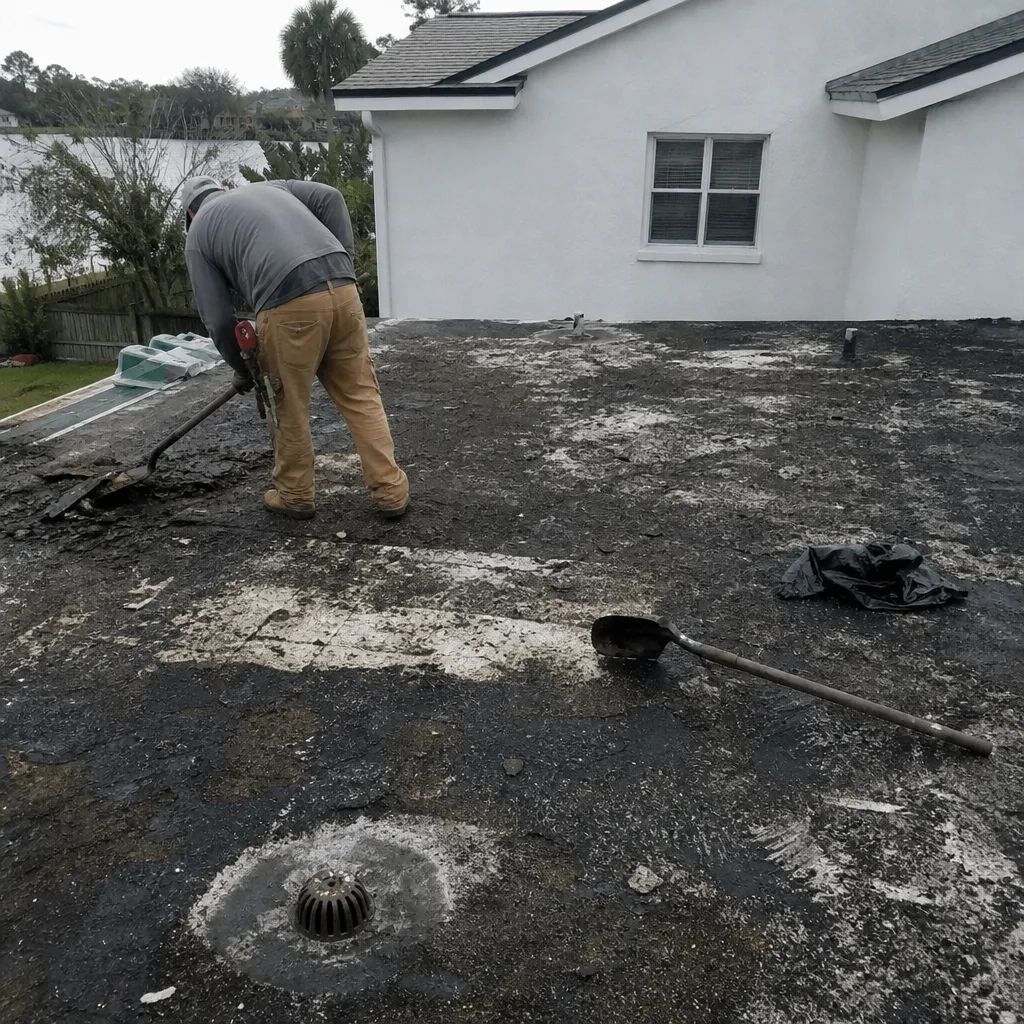 Before
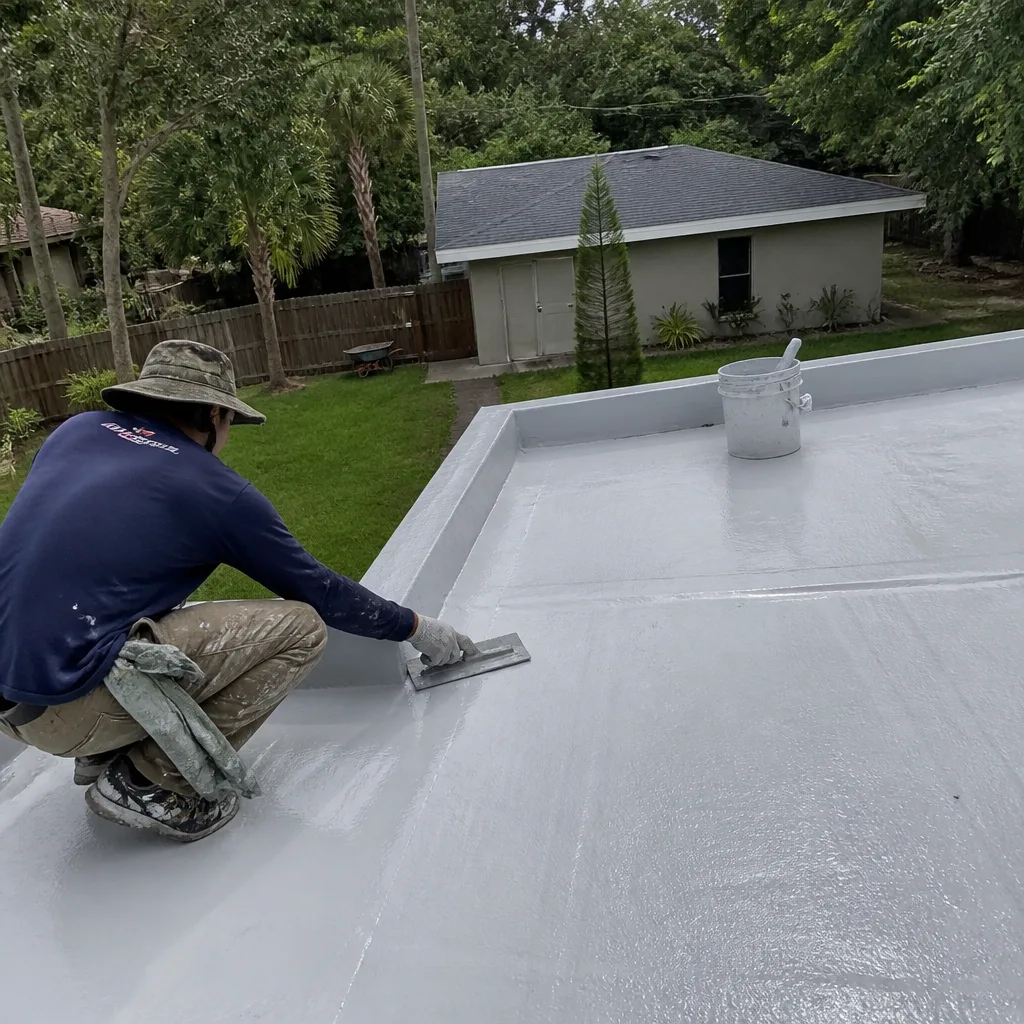 After
After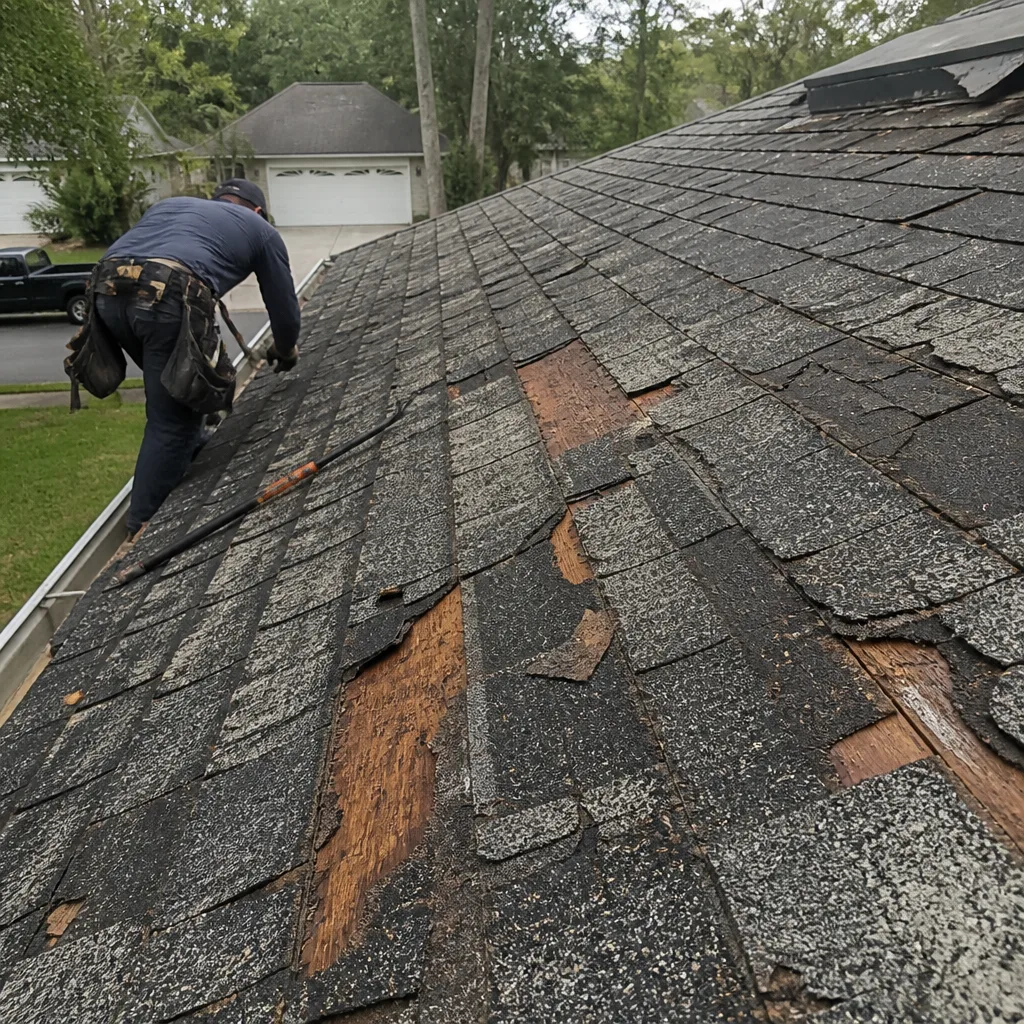 Before
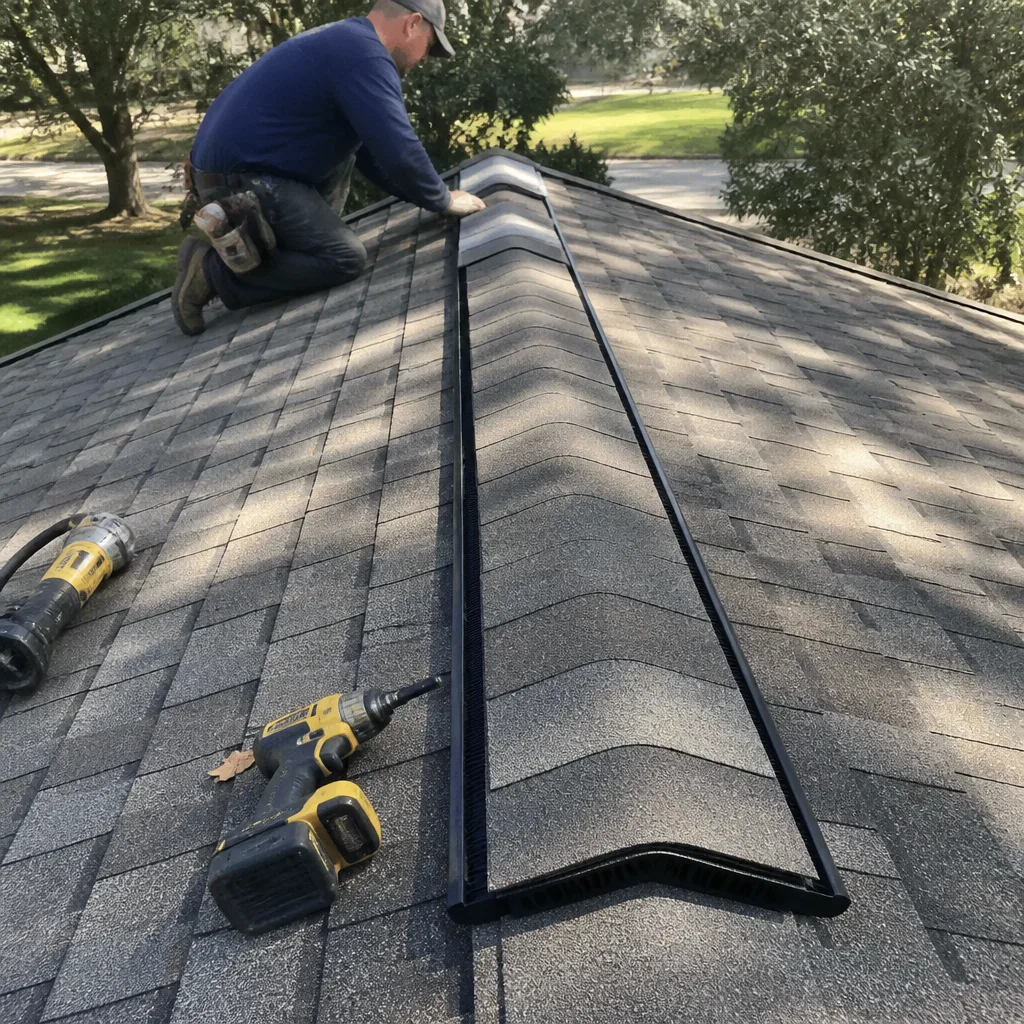 After
After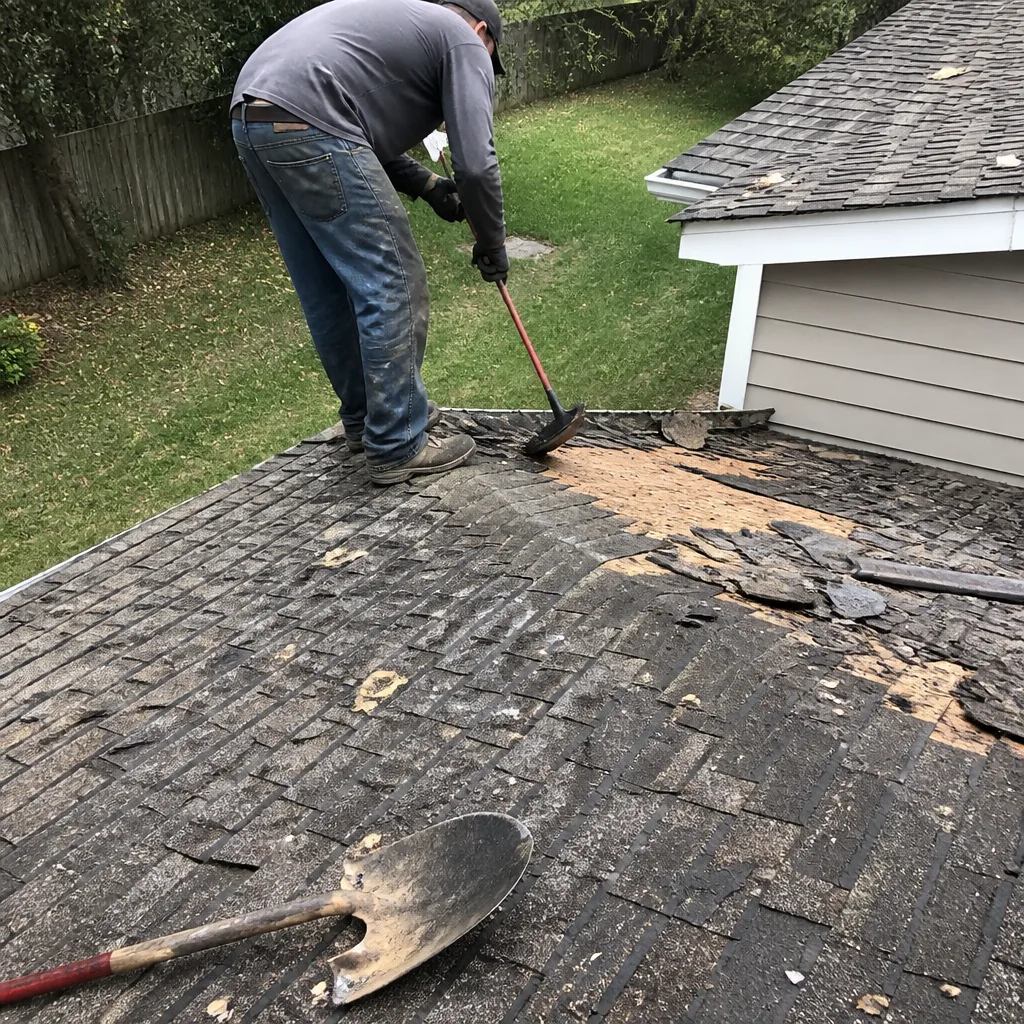 Before
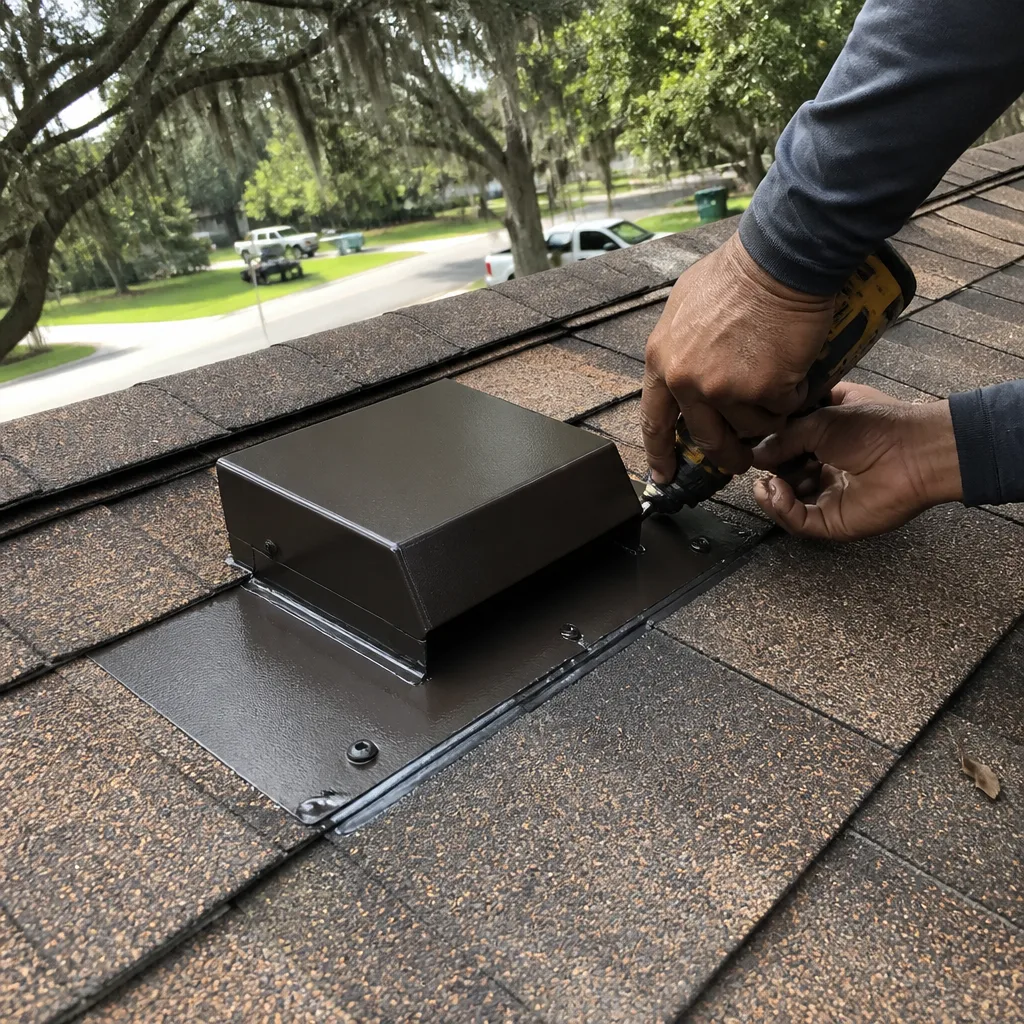 After
AfterWhen to Call a Professional
Call a roofing contractor in Jacksonville when you see granule loss in your gutters, shingles that are cracked or curling, daylight showing through attic boards, or water stains on the ceiling after a storm. Those are signals that the protective system has been compromised and Jacksonville’s rain will find the gap. Call after any storm with winds over 60 mph, even if nothing looks wrong from the ground. Photos from a ladder are not the same as a roof inspection. Call when a leaking roof has started dripping onto insulation or drywall, because concealed moisture rots decking fast in Florida humidity. Birchbark Roofing Jacksonville home offers free estimates in Jacksonville, and a live person answers every call 24/7 at (904) 604-7914. No voicemail trees, no next-business-day callbacks. When water is coming in, waiting a business day is not a good answer.
Frequently Asked Questions
Most asphalt shingle roof replacements in Jacksonville fall between $9,000 and $15,000 for a typical single-story home around 2,000 square feet, depending on shingle grade, number of tear-off layers, and decking condition. The final number depends on the specific product line chosen and whether any decking replacement is required. Call (904) 604-7914 for a written price on your specific roof before any work starts.
A roofing contractor in Florida should hold a CCC, Certified Roofing Contractor, license issued by the Florida Department of Business and Professional Regulation; learn more in our guide to Roofing Permits, Codes & Inspections in FL: What You Need to Know. Verify the license on the DBPR website and confirm the type is CCC, the status is current, and the name matches the contract signer. An RC or CRC license may restrict geographic or building-type coverage.
Verify the CCC license on the DBPR website, confirm the contractor has active general liability and workers’ compensation coverage, require a written scope of work with named product lines, and ask directly whether install crews are employees or subcontractors. A legitimate contractor answers all of those without hesitation and puts the price in writing.
A roofing contract should include a written scope of work naming specific shingle and underlayment manufacturers and product lines, a line-item price breakdown with no vague categories like “miscellaneous materials,” the contractor’s labor warranty in writing, the manufacturer’s warranty, and the permit responsibility; for a practical tool, download our Roofing Company Maintenance Checklist for Jacksonville Homeowners. The contract should also specify interior protection steps like shoe covers and drop cloths.
Most residential roof replacements in Jacksonville take one to three days for tear-off and installation on a typical single-story home, though weather delays and decking replacement can extend the timeline. The exact duration depends on the roof’s square footage, pitch, and the number of layers being removed. We stage our crews in Jacksonville neighborhoods, not chase storms, so the schedule you are given is the schedule we keep.
Yes, get at least three written quotes and compare them line by line using a table, not by bottom-line total. The point of multiple quotes is to expose vague scopes and force specificity on product names, warranty terms, and interior protection. A low bid that does not name the shingle product line is not a comparable bid.
The Bottom Line
Hiring a roofing contractor in Jacksonville comes down to protecting yourself with documents before any work starts. Verify the CCC license. Require a written scope that names specific products from manufacturers like GAF, Atlas, or Boral. Read the written price line by line and strike any vague categories. Get both the manufacturer’s warranty and the contractor’s labor warranty in writing. Ask who is on the roof, and verify their insurance. The right contractor answers every one of those questions without hesitation and puts the answers in writing. That is the standard Jacksonville homeowners should hold for a roof, the largest protective system on the home; explore more guides & resources on protecting your investment. Call (904) 604-7914 for a free estimate, and you’ll see the exact number in writing before any work begins.
Written by Erik Lindgren, Owner at Birchbark Roofing Jacksonville, serving Jacksonville since 2000.