
Last updated October 17, 2026
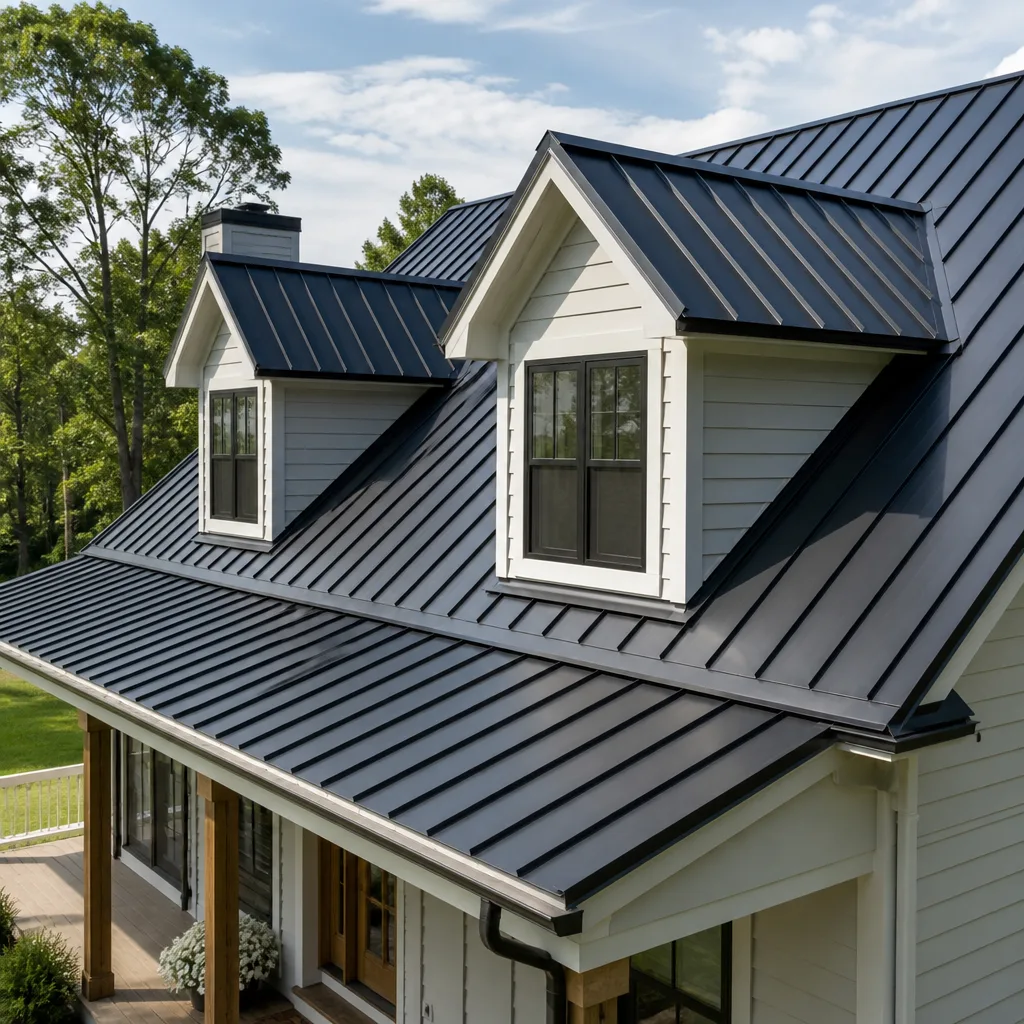 Metal roofing
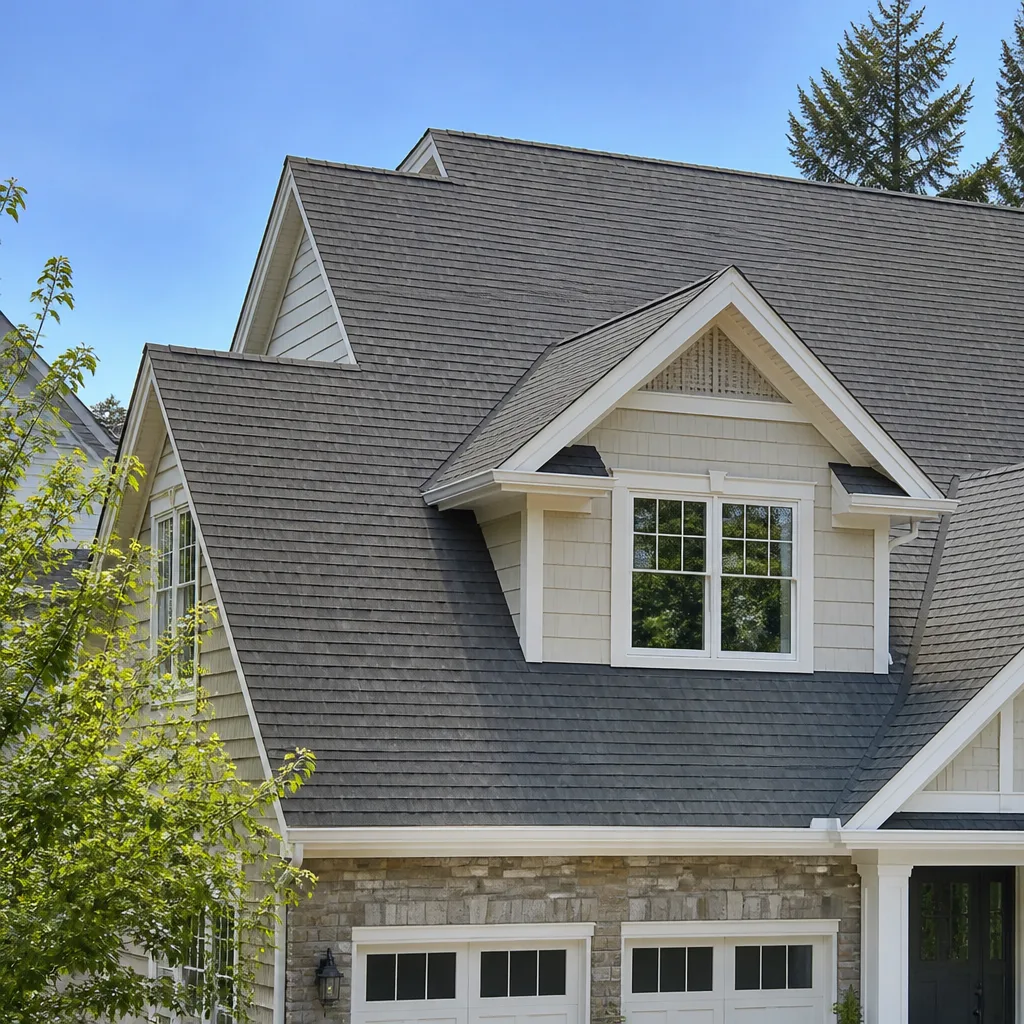 Architectural shingles
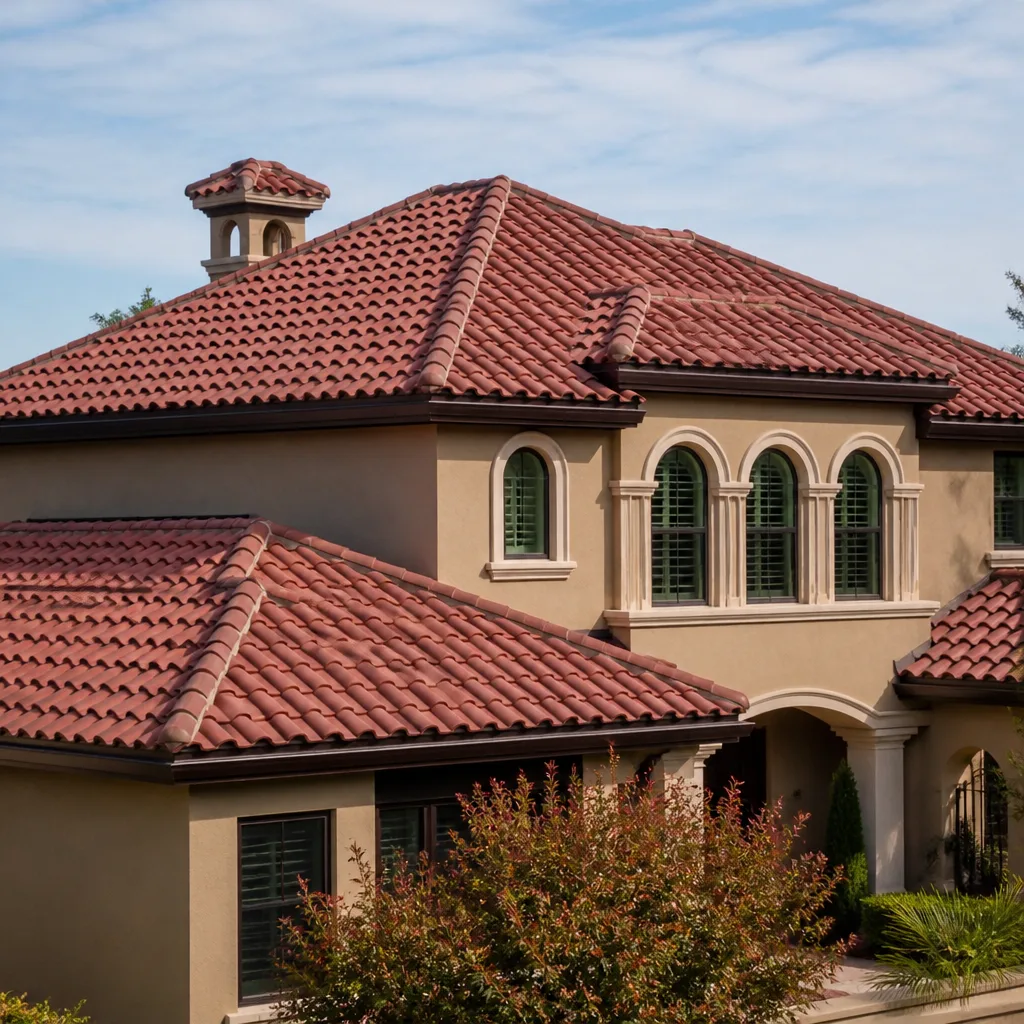 Tile roofing
 GAF
GAF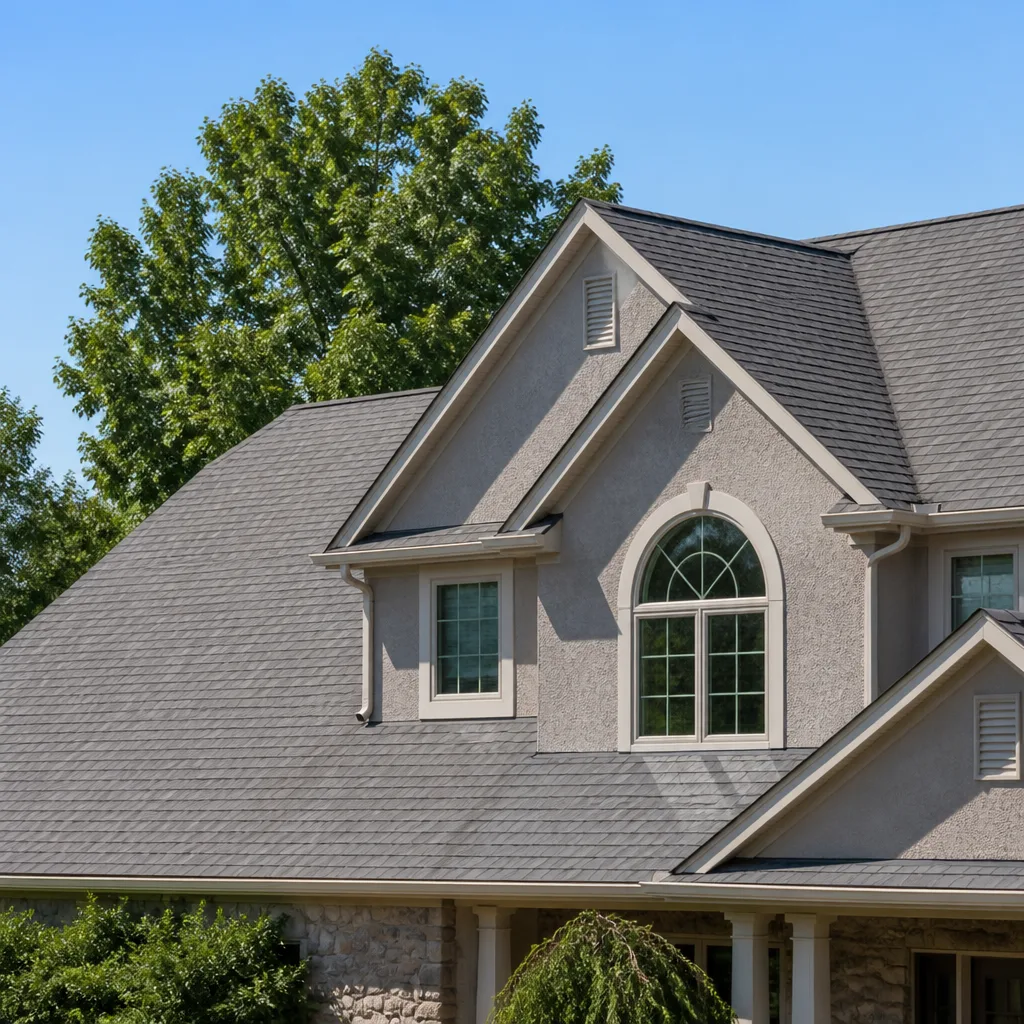 Owens Corning
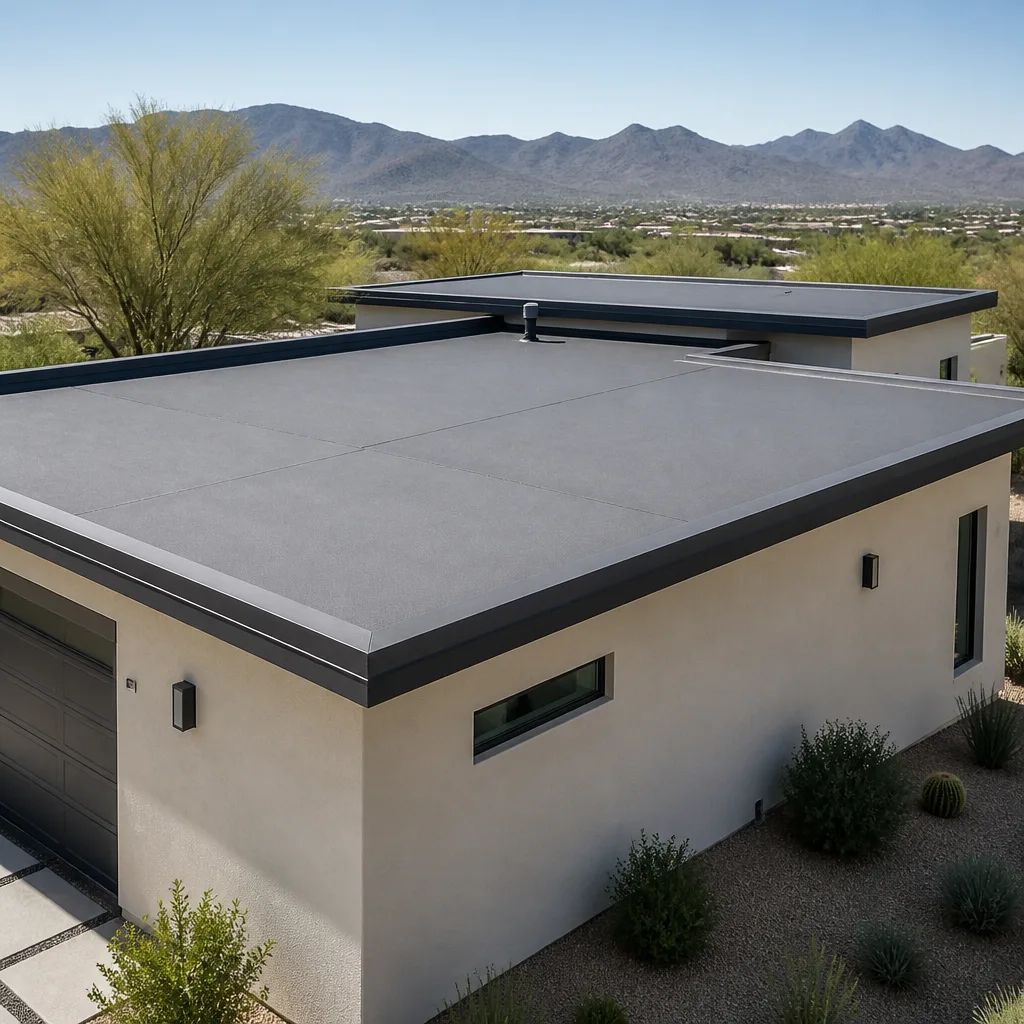 Flat & low-slope
Free roof inspection with deck photos before we talk money - GAF and Owens Corning certified installation
DIY vs Professional Roofing: The Jacksonville Homeowner’s Decision Guide
A Jacksonville homeowner who replaces their own roof correctly, with the right materials and correct installation, can still lose their wind mitigation discount, trigger an insurance policy review, and inherit full liability for any future failure. The reason is simple: in Florida, insurers don’t read your intentions. They read the permit record, the inspection report, and the license number on file. This guide walks through the real decision points in Jacksonville, from Duval County permit applications to the wind mitigation inspection process. By the end, you’ll know exactly which tasks are safe to handle yourself and which ones carry consequences that cost far more than a professional crew ever would.
Quick Answer
For anything beyond gutter cleaning, soffit vent clearing, or visible sealant touch-up, professional roofing is the safer financial and legal choice in Jacksonville. Florida’s building code, insurance requirements, and the wind mitigation credit system create specific consequences for unpermitted owner-performed work that don’t exist in most other states. If you replace your own roof without a licensed contractor’s permit and inspection record, you can lose hundreds per year in insurance savings and carry personal liability for any future roof failure, even after you sell the home.
Styles & brands we work with
Table of Contents
- What Florida’s Building Code Actually Says About DIY Roofing
- The Owner-Builder Permit in Duval County: What It Covers and What It Doesn’t
- Wind Mitigation Credits: The Hidden Cost of DIY Roofing in Jacksonville
- What’s Genuinely Safe to DIY on a Jacksonville Roof
- What’s Too Risky to DIY
- The Honest Cost Comparison: DIY vs Professional in Jacksonville
- Owner-Builder Liability: What Happens When You Sell
- Warranty Differences: What DIY Roofing Voids
What Florida’s Building Code Actually Says About DIY Roofing
Florida operates under the Florida Building Code (FBC), which is stricter than almost any other state’s code because of hurricane exposure. Jacksonville sits in a wind-borne debris region, which means roof coverings, underlayment, and attachment methods all have specific requirements that differ from what you might see on a home improvement show filmed in Texas or Ohio.
Here’s what matters for the DIY question: the FBC requires that all roofing work, including full replacements and structural repairs, be performed by a licensed contractor unless the homeowner qualifies for and obtains an owner-builder permit. That’s not a suggestion. Duval County enforces it through the Building Inspection Division, and unpermitted roofing work can result in code enforcement action, fines, and a requirement to tear off and redo the work at your expense.
One detail most homeowners don’t realize: Florida law requires that any roof replacement on an insured home include a roof deck attachment inspection and, when necessary, upgraded fastening to meet current wind load standards. This isn’t something you can eyeball. The inspector checks nail patterns, nail length, and sheathing thickness against the code tables for Jacksonville’s wind zone. If the decking doesn’t meet code, the inspector fails the inspection, and the roof cannot be closed up until it’s corrected.
Key Code Requirements for Jacksonville Roofs
- Wind zone: Jacksonville is in a high-velocity hurricane zone for code purposes, requiring specific underlayment and fastener patterns.
- Secondary water barrier: Florida code requires a sealed roof deck or a secondary water barrier on all roof replacements. This is not optional, and DIY installers frequently miss it.
- Inspection points: The permit requires inspections at specific stages: after tear-off (to check deck condition), after underlayment, and after final installation. Skipping any stage invalidates the permit.
- Material approval: Only roofing products with Florida Product Approval or Miami-Dade NOA (Notice of Acceptance) can be installed. Buying materials from a big-box store without checking this list can fail inspection immediately.
In our experience walking Jacksonville roofs, we’ve seen DIY replacements where the underlayment was installed upside down, the fasteners were too short, and the valley metal was missing entirely. Each of those failures is a code violation that an inspector catches in about ten seconds.
The Owner-Builder Permit in Duval County: What It Covers and What It Doesn’t
Florida does allow a homeowner to act as their own contractor through an owner-builder permit. This is legal in Duval County, but the process is more involved than most people expect, and the restrictions are real.
Here’s what the application actually requires in Duval County: you must appear in person at the Building Inspection Division office on the second floor of the Ed Ball Building downtown, sign an affidavit affirming that you own and occupy the property as your primary residence, and acknowledge that you’re responsible for all work performed. You cannot delegate this to a spouse or a friend. The person whose name is on the deed is the person who pulls the permit.
The Owner-Builder Permit Process: Step by Step
- Complete the owner-builder disclosure statement. This is a notarized form stating you understand Florida Statute 489.103(7), which limits owner-builder permits to one permit per 12-month period for the same property and requires you to occupy the home.
- Prepare your permit package. For a roof replacement, you’ll need a roof plan showing the new roof covering, underlayment type, fastener pattern, and ventilation details. Most homeowners don’t have this, so they either pay a draftsperson to create it or the application stalls.
- Pay the permit fees. Duval County roof replacement permits typically run between $250 and $600 depending on roof size and valuation. There’s also a surcharge for the state’s building code compliance program.
- Schedule each inspection. You’re responsible for calling in the tear-off inspection, the dry-in (underlayment) inspection, and the final inspection. Each one happens during business hours on a weekday, which means you’re taking time off work to meet the inspector.
- Pass all inspections and close the permit. If any inspection fails, you’re the one fixing the problem and scheduling the re-inspection. There’s no crew supervisor taking that call.
What the owner-builder permit does not do: it doesn’t exempt you from any code requirement, it doesn’t provide warranty coverage, and it doesn’t qualify your home for the wind mitigation credits that insurance companies apply when a licensed contractor pulls the permit. That last point matters more than most Jacksonville homeowners realize, which brings us to the next section.
Wind Mitigation Credits: The Hidden Cost of DIY Roofing in Jacksonville
A wind mitigation inspection is the report that tells your insurance company how well your home resists hurricane-force winds. In Jacksonville, where annual premiums often run $2,500 to $5,000 or more, the credits from this inspection can save $300 to $800 per year depending on your insurer and your home’s construction.
Here’s the part that surprises homeowners: the wind mitigation report requires the signature of a Florida-licensed inspector, which can be a licensed home inspector, a licensed building inspector, a licensed general contractor, a licensed roofing contractor, or a licensed engineer. The report documents specific construction features: roof deck attachment, roof-to-wall connections, roof covering type, and the presence of a secondary water barrier.
When you pull an owner-builder permit and install your own roof, the inspector evaluating those features has to verify them. But many insurance carriers will not apply the full wind mitigation discount to a roof replacement that was performed under an owner-builder permit. Some carriers flag the policy for underwriting review when they see an owner-builder roof replacement on the permit history. The reason is straightforward: Florida insurance companies are intensely risk-averse after a decade of roofing-related claims disputes, and a roof without a licensed contractor’s warranty is statistically less defensible in claims handling.
What does this mean in dollars? The savings you might get from doing the labor yourself, roughly $3,000 to $6,000 on a typical Jacksonville ranch home, can be eroded by insurance costs within five to eight years. And that’s before considering the next section.
How the Wind Mitigation Report Works
- The inspector photographs the roof deck from inside the attic, documenting nail size, nail spacing, and sheathing thickness.
- The roof covering is documented against a date code: homes with roofs built after 2002 generally qualify for higher credits if the roof meets current wind load standards.
- Roof-to-wall attachments, like hurricane clips or straps, are verified and photographed.
- The report is signed, submitted to the insurer, and the credits are applied to the premium.
If you’re comparing roofing methods honestly, you need to include these insurance consequences in the math. A DIY roof replacement in Jacksonville can effectively raise your cost of ownership for years, even if the roof itself performs perfectly.
What’s Genuinely Safe to DIY on a Jacksonville Roof
Not every roofing task requires a licensed crew. Here’s what a careful Jacksonville homeowner can reasonably handle on their own, provided they’re comfortable on a ladder and take basic safety precautions.
DIY-Friendly Tasks
- Gutter cleaning and inspection: Jacksonville’s live oaks and pine trees drop heavy debris year-round. Cleaning gutters two to four times per year is safe DIY territory with a sturdy ladder, gloves, and a hose. Do it from the ladder, not by walking the roofline.
- Soffit vent clearing: If you can reach the soffits from a ladder, clearing blocked vents with a brush or vacuum keeps attic airflow moving. This matters in Jacksonville’s humid climate, where restricted ventilation causes moisture buildup and shortens shingle life.
- Visible sealant touch-up: On low-slope sections, metal flashings, or pipe boots, you might apply a compatible sealant to small, visible gaps. The key word is visible. If you have to lean past your center of gravity to reach it, that’s a different job.
- Debris removal after storms: Oak branches, pine cones, and leaves collect in valleys and behind chimneys. Removing them with a roof rake or from a ladder prevents water backup. This is safe DIY work.
- Visual inspection documentation: Taking clear photos of your roof from the ground or from a ladder, especially after a storm, is genuinely useful. It creates a record you can show to a roofer or to your insurance company if you file a claim.
One practical tip: after any significant storm in Jacksonville, do a ground-level walkaround with your phone camera. Photograph the ridge line, the flashing around vents and chimneys, and the valleys. If a repair is needed later, those photos help establish when the damage occurred.
What’s Too Risky to DIY
The line between safe DIY and risky DIY on a roof is not about your mechanical skill. It’s about the consequences of a mistake. Here’s where the consequences become structural, legal, or warranty-voiding in Jacksonville specifically.
Structural and Legal Risk Areas
- Any full roof replacement: This triggers the permit requirement, the inspection requirement, and the insurance implications described above. A full replacement means removing the old roof covering, inspecting and possibly replacing the deck, installing underlayment and covering, and closing the permit. That’s the entire job, and it’s the exact job where the code requirements are most specific.
- Flashing work around penetrations: Chimney flashing, pipe boot replacement, skylight flashing: these are the most common leak sources in Florida storms. Amateur flashing is easy to seal incorrectly, and water intrusion in Jacksonville’s humid climate leads to mold and deck rot within months.
- Underlayment and dry-in work: Florida code requires specific underlayment fastening patterns and overlaps. If the dry-in inspection photographs the underlayment before it’s covered, a DIY installer who doesn’t know the pattern fails inspection and redoes the work.
- Valley and ridge detail: Valleys direct massive amounts of Jacksonville rain during summer thunderstorms. Ridge vents manage attic ventilation that prevents premature shingle failure. Both are precise details that leak or fail when approximated.
Steep-roof safety: Jacksonville homes range from low-slope ranch designs in Arlington to steeper traditional gables in Riverside and Avondale. Any roof over 6:12 pitch (that’s a 6-inch rise for every 12 inches of run) is genuinely dangerous to walk without proper fall protection. Roof falls are among the most common causes of serious injury and death in home improvement, and a Jacksonville homeowner working alone is the most exposed version of that risk. We encourage anyone considering walking a roof to count the cost honestly. The medical bills and lost work from one fall exceed the entire cost of a professional repair by a wide margin.
The Honest Cost Comparison: DIY vs Professional in Jacksonville
Most DIY-versus-professional comparisons quote a per-square shingle price and call it a day. That’s misleading. Here’s a line-item comparison based on a typical 2,400-square-foot single-story Jacksonville home with a straightforward hip roof, using architectural shingles.
| Cost Item | DIY (Owner-Builder) | Professional (Licensed Contractor) |
|---|---|---|
| Architectural shingles (30 squares) | $4,200 – $5,400 | Included in bid |
| Underlayment, fasteners, ridge vent, drip edge | $1,200 – $1,800 | Included in bid |
| Permit fees (Duval County) | $250 – $600 | Included in bid |
| Dumpster or debris removal | $600 – $900 | Included in bid |
| Tool rental (nail guns, compressor, ladder brackets, fall harness) | $400 – $700 | Included in bid |
| Material overage (waste, mistakes, re-order) | $800 – $1,500 (often unplanned) | Contractor’s responsibility |
| Labor warranty | $0 (no coverage) | Typically 5 – 10 years workmanship |
| Wind mitigation inspection | $75 – $150, possibly reduced credits | Typically included or coordinated |
| Total realistic range | $7,525 – $11,050 | $13,000 – $18,000 |
So the honest math: a DIY roof replacement in Jacksonville saves $3,000 to $7,000 on day one. But here’s what’s missing from that table. The professional bid includes a written price before any work starts, which means the number doesn’t move when the crew discovers rotted decking or missing clips. The DIY budget does. The professional bid includes the labor warranty, which means a leak in year three gets repaired by the same company. The DIY outcome doesn’t. And the professional bid includes the permit management and inspection scheduling, which means the homeowner never stands in the Building Inspection Division line trying to explain a dry-in inspection request.
There’s also the reality of time. A professional crew typically strips and replaces a 30-square roof in two to four days in good weather. A solo DIY homeowner working weekends typically takes three to six weeks. In Jacksonville, where summer thunderstorms roll in with almost clockwork regularity from June through September, every week of exposure increases the chance of water intrusion, wind damage to the underlayment, and damage to the interior of the home.
Birchbark Roofing Jacksonville provides a written price before any work begins, so the number you’re quoted is the number you pay. For those comparing options, that’s the line in the table that matters most: the price you can hold in your hand before the first shingle comes off.
Owner-Builder Liability: What Happens When You Sell
Florida law includes a provision that catches DIY roofers long after the hammer is hung up. Under Florida Statute 558 and the state’s construction defect laws, a seller who performed owner-builder work on their own home may carry implied warranty exposure for that work. If a buyer purchases the home within one year of the seller’s unpermitted or owner-builder work, the seller can be pursued for repairs if the roof fails.
That’s a specific scenario, and it happens in Jacksonville’s active real estate market. Homes change hands frequently in neighborhoods like Mandarin and San Marco, and a roof that was “replaced by owner” in the seller’s disclosure is a red flag for buyers and their inspectors. A licensed contractor’s warranty transfers to the new owner as part of the sale in many cases. A DIY roof does not.
The practical consequence: when you eventually sell, the buyer’s inspector sees “owner-builder permit” on the roof permit history. The buyer asks for a roof certification, which costs several hundred dollars and may reveal issues. The negotiation gets more complicated. The seller’s warranty exposure becomes part of the conversation. The roof that “saved” you $5,000 in labor now costs you in negotiating leverage, sale timeline, and post-sale liability.
Compare that to a roof replaced by a licensed contractor with a transferable workmanship warranty. The buyer sees a permit record with a contractor’s name and license number, a passed final inspection, and a warranty document. The roof becomes a selling point instead of a negotiation point.
Warranty Differences: What DIY Roofing Voids
Manufacturer warranties on shingles tell a story most homeowners don’t read until it’s too late. The warranty language from major manufacturers, including GAF, CertainTeed, and Owens Corning, has a common thread: installation must be performed by a licensed contractor and in accordance with the manufacturer’s specifications for the warranty to take effect.
What does this mean for DIY? If you install your own shingles, the manufacturer has no obligation to honor the material warranty. Some manufacturers go further and void even the product defect coverage when the installation was not performed by a qualified installer. You might not care on day one, but on day 3,000, when a manufacturing defect causes granule loss or cracking, you’re on your own.
There’s also the distinction between material warranty and workmanship warranty. Material warranties cover defects in the shingles themselves. Workmanship warranties cover installation errors, which are the cause of the vast majority of roof failures. A professional roofing contractor provides a workmanship warranty because they stand behind their crew’s installation. A DIY installer has no workmanship warranty at all, because no one is responsible for the quality of the work except the person looking back at you in the mirror.
At Birchbark Roofing, every repair and replacement is covered by our 365-Day Done Right Promise. If the work isn’t right, we make it right. This guarantee is stamped on every job, including the clean-up. We use materials from trusted manufacturers like GAF, CertainTeed, Owens Corning, IKO, Atlas, and Tamko, and our crews are trained to install them to the manufacturer’s specifications, which keeps your warranty intact.
Common Mistakes to Avoid
- Assuming the permit is optional. In Duval County, roofing work without a permit where one is required can trigger code enforcement action and a requirement to tear off and redo the work. The permit is not a bureaucratic formality. It’s the document that proves your roof was installed to code.
- Pricing only the materials. The per-square shingle cost is the smallest line item in the real conversation. Dumpster fees, tool rental, permit costs, material overage, and the value of your own time add up quickly, and the comparison table above shows how narrow the real gap is.
- Ignoring the insurance angle. Jacksonville homeowners with wind mitigation credits often don’t realize those credits are tied to a licensed contractor’s permit and inspection record. Pulling an owner-builder permit can cost you hundreds per year in premiums.
- Underestimating Florida’s heat. Roof work in Jacksonville happens under a Florida sun that sends surface temperatures over 140°F in summer. Heat exhaustion is a real risk for anyone on a roof, and a solo DIYer has no one to notice the signs.
- Using the wrong materials. Not every shingle sold at the big-box store carries Florida Product Approval. Installing non-approved materials fails inspection and may leave you without insurance coverage if a storm damages the roof later.
- Skipping the tear-off. Some DIYers are tempted to nail new shingles over the old layer to save time. Florida code generally requires a tear-off to the deck for full replacements, and layering shingles adds weight, traps heat, and shortens the life of the new roof.
- Overlooking ventilation. Jacksonville’s humidity means attic ventilation is critical. A roof replaced without addressing ridge vent and soffit airflow traps moisture and can cause deck rot and premature shingle failure within a few years.
See the difference
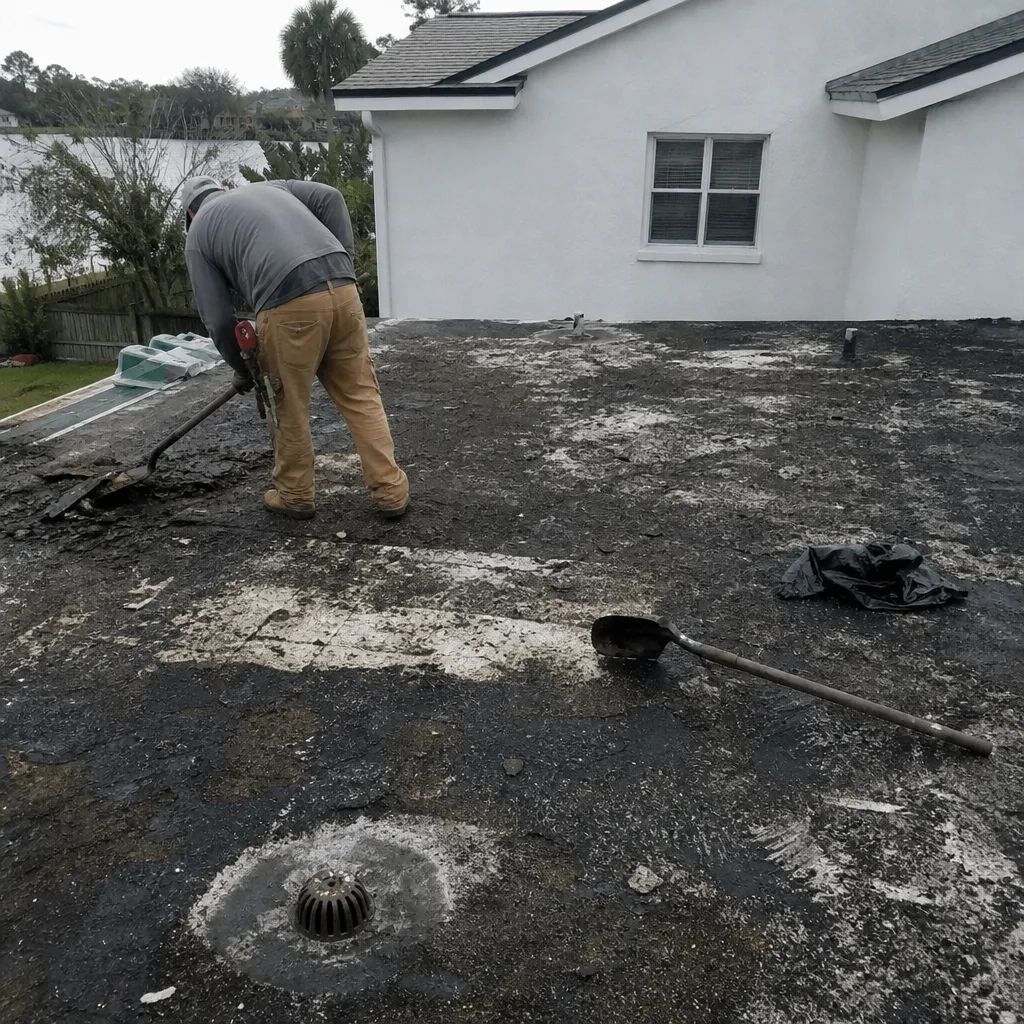 Before
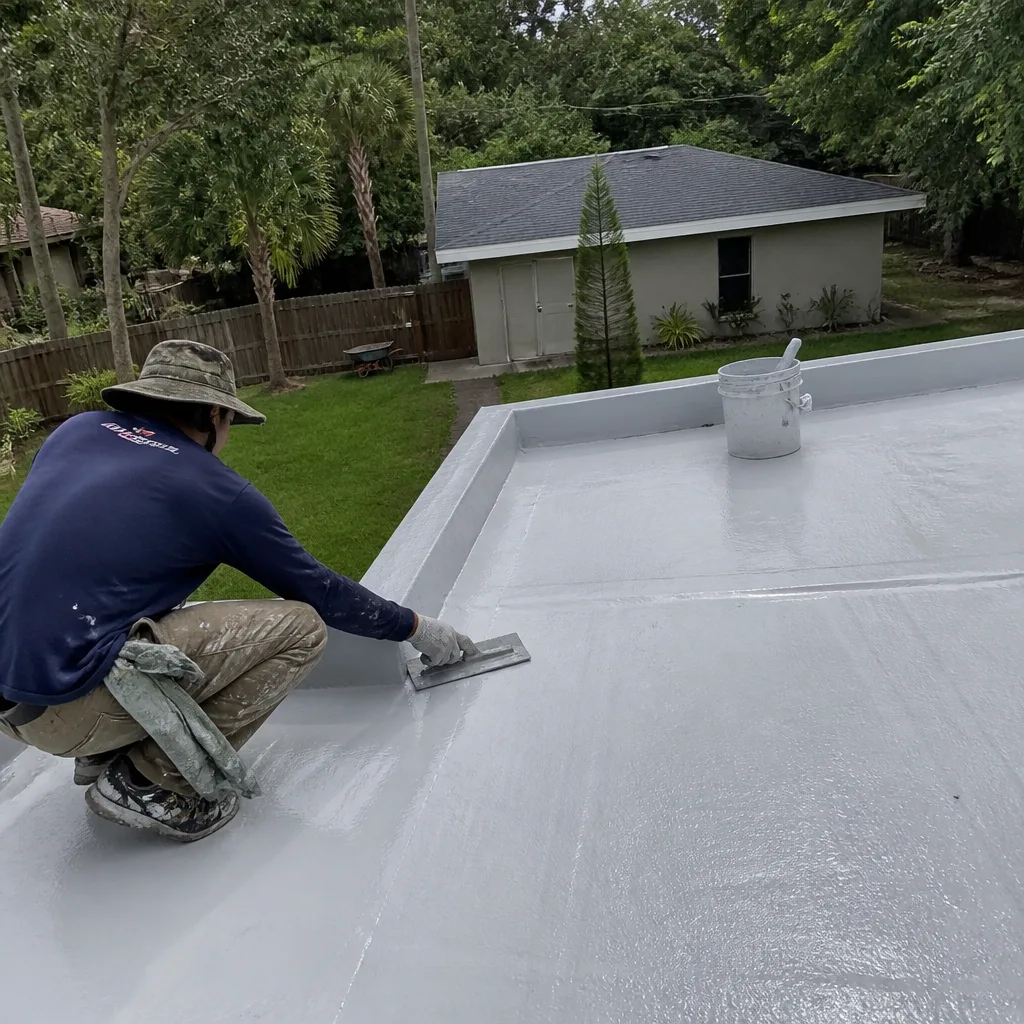 After
After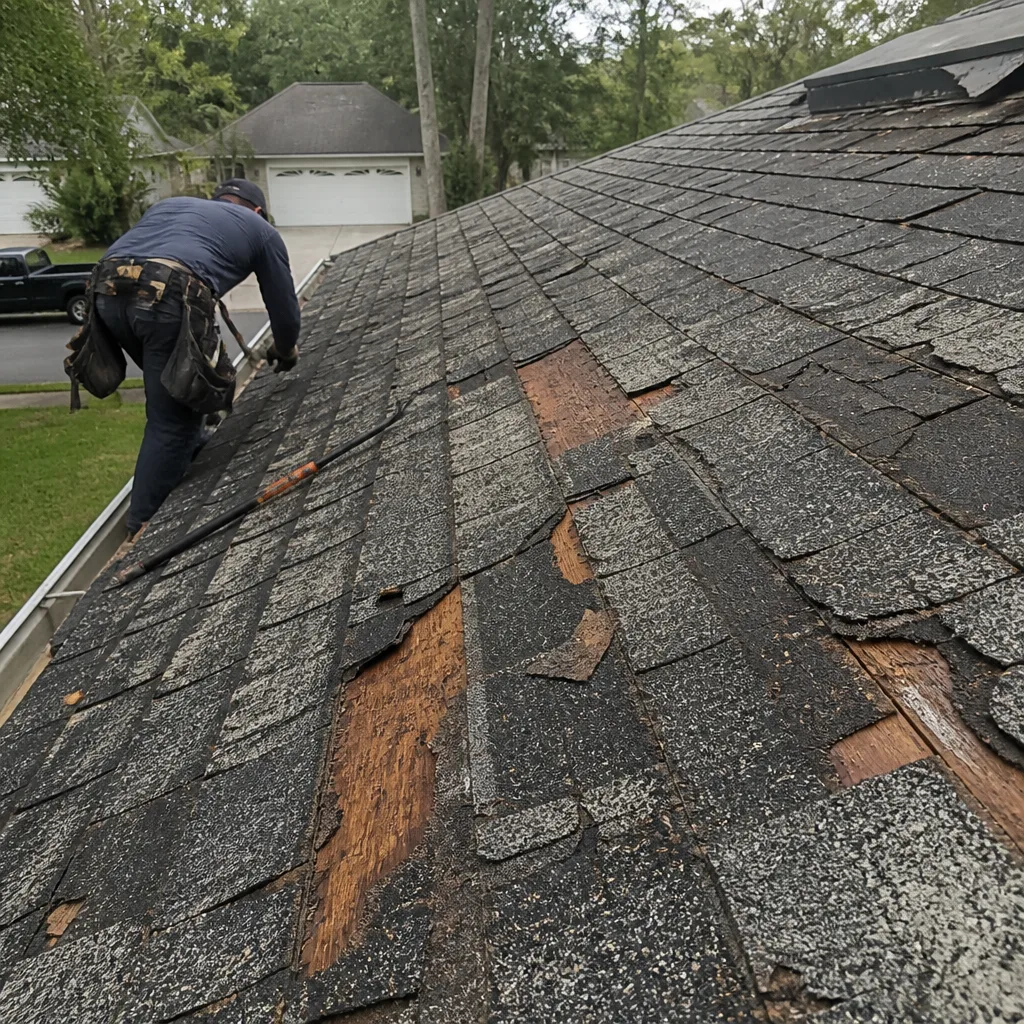 Before
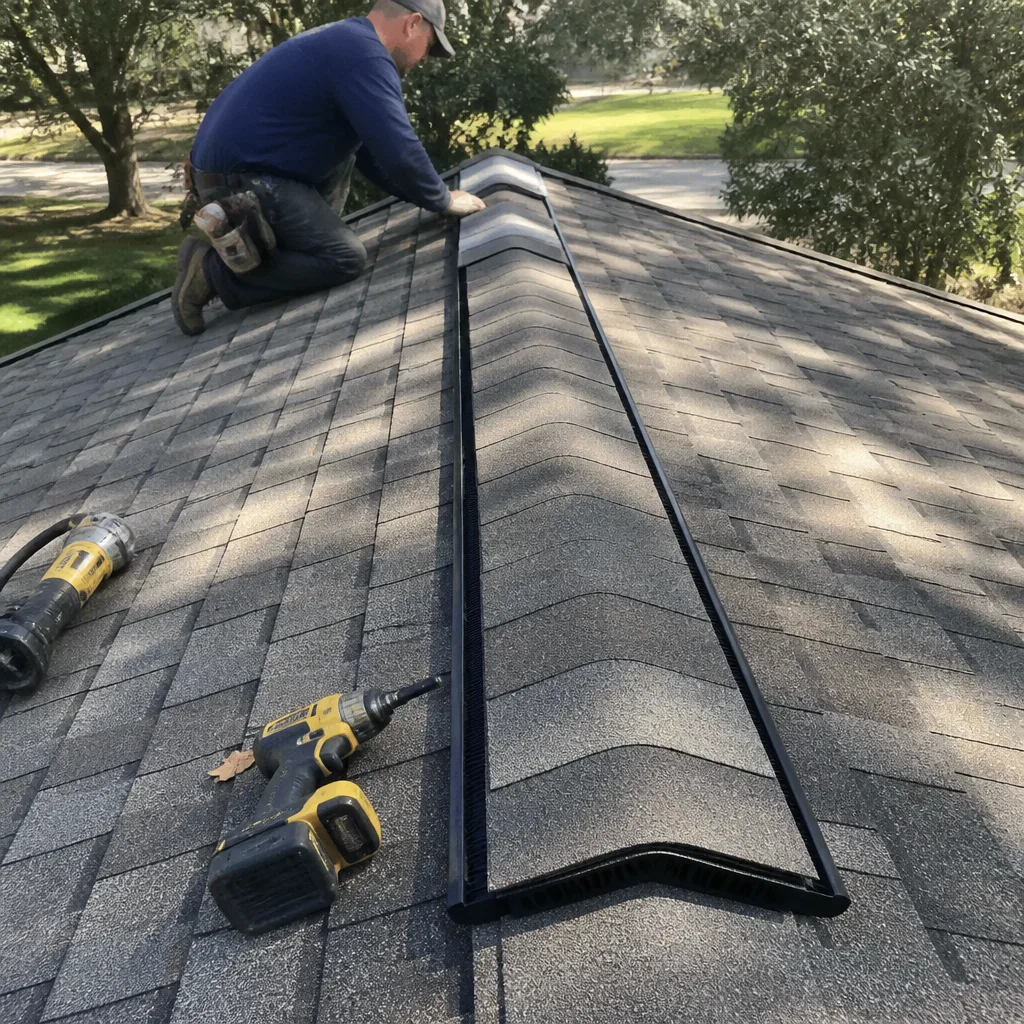 After
After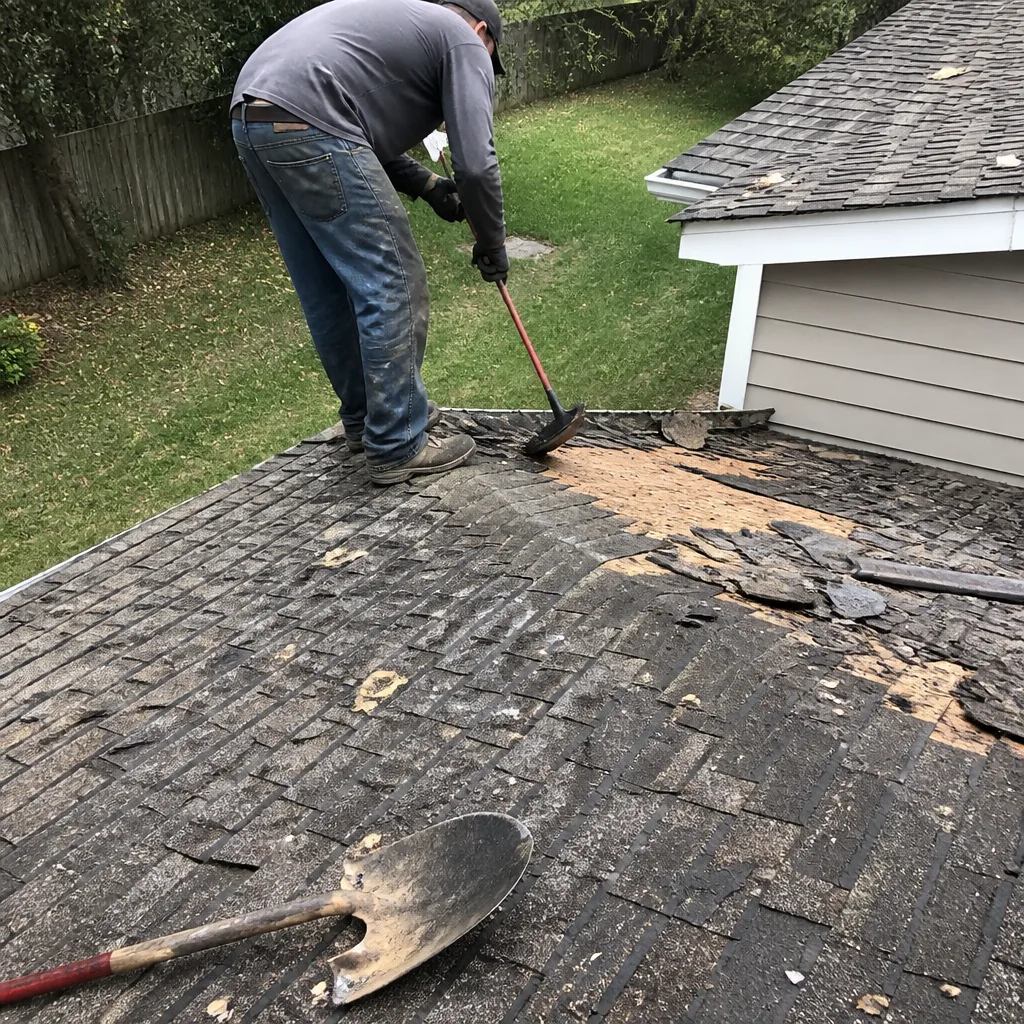 Before
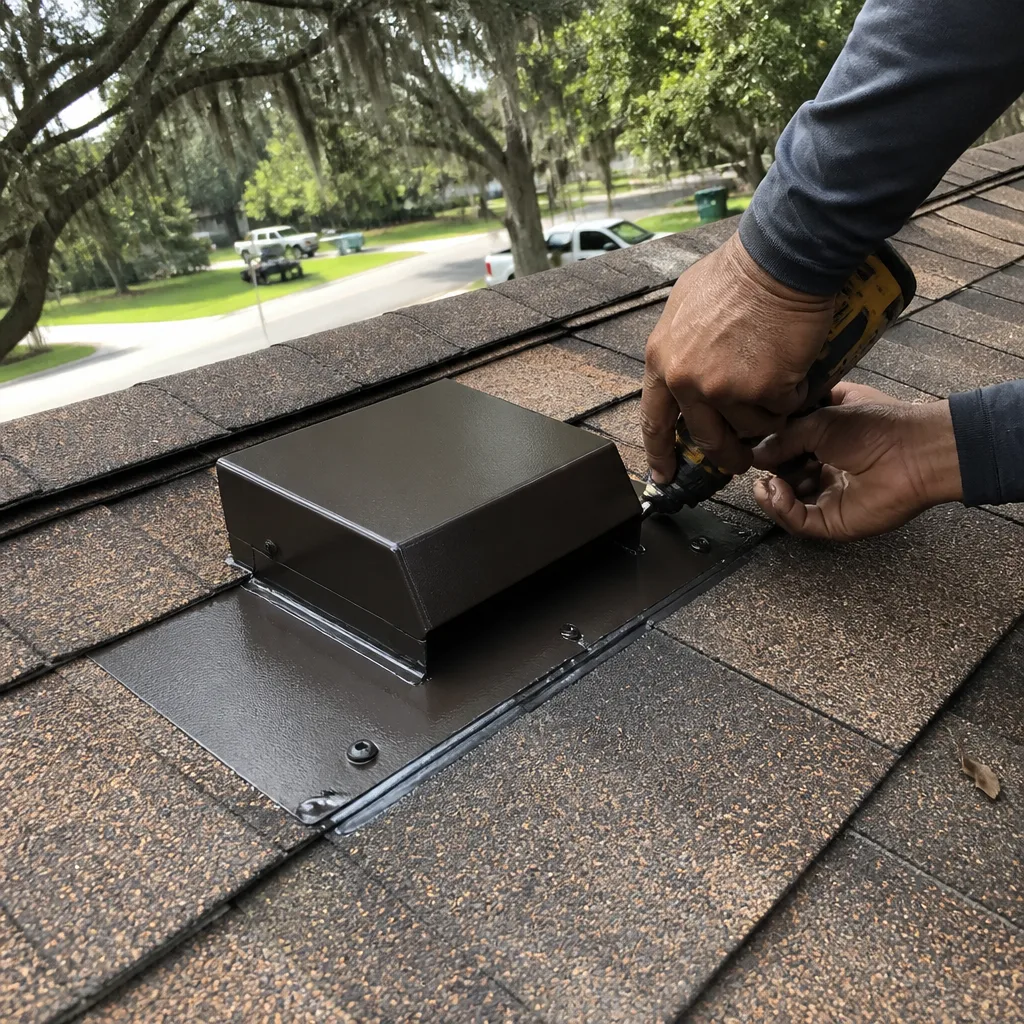 After
AfterWhen to Call a Professional
Call a professional when the work requires a permit, when the roof is steep enough that non-professionals risk a fall, when flashing or underlayment is involved, or when the insurance and warranty implications of DIY work feel too significant to gamble with. Also call when you simply don’t want your weekends consumed for a month while the roof sits in progress and the Jacksonville weather rolls through.
Birchbark Roofing Jacksonville offers free estimates for roofing projects throughout the Duval County area. We work as part of the Cedarwell family of roofing companies, and every job carries the Cedarwell Care Promise: shoe covers at the door, drop cloths through the hallway, pet-safe product choices where available, and a photo of the completed clean-up before the crew leaves. You’ll see a written price before any work starts, and a live person answers the phone 24/7. Call (904) 604-7914 to schedule your free estimate.
For context on our full service area and what we offer as a Roofing Company in Jacksonville, you can review our repair and replacement pages there. If you’re weighing a repair against a full replacement, our Roof Repair in Jacksonville page details what’s repairable and what’s not. And when the time does come for a full roof, our Roof Replacement in Jacksonville page walks through the process from estimate to clean-up. You can always start at our Birchbark Roofing Jacksonville home page to see everything in one place.
Frequently Asked Questions
A professional roof replacement on a typical Jacksonville home runs between $13,000 and $18,000 depending on roof size, pitch, and material choice. This includes labor, materials, permit management, debris removal, and a workmanship warranty. Call (904) 604-7914 for a written estimate specific to your home.
Yes, Florida law allows a homeowner to pull an owner-builder permit and perform their own roof replacement in Duval County, provided they occupy the home and follow the full permit and inspection process. However, the insurance and warranty consequences described above make this a risky financial choice for most homeowners.
A wind mitigation inspection is a report documenting how well your home resists hurricane-force winds, and it requires a licensed inspector’s signature to be accepted by insurers. Roofs installed under an owner-builder permit may receive reduced credits or trigger an underwriting review, meaning your DIY savings could be offset by higher insurance premiums for years.
No, in most cases. Manufacturer warranties from brands like GAF, CertainTeed, and Owens Corning require installation by a licensed contractor according to their specifications. DIY installation typically voids the material warranty and leaves you with no workmanship coverage.
A typical Jacksonville roof replacement takes two to four days with a professional crew, depending on roof size and weather. A solo DIY homeowner working weekends typically needs three to six weeks, which exposes the home to Jacksonville’s summer thunderstorm pattern for a much longer window.
Yes, we can inspect existing roof work, identify code or installation issues, and recommend repairs. Our 365-Day Done Right Promise applies to every repair and replacement we perform. Call (904) 604-7914 to schedule an inspection.
The Bottom Line
The DIY-versus-professional decision in Jacksonville comes down to more than skill and cost. Florida’s building code, the wind mitigation credit system, and the owner-builder liability framework create consequences that most homeowners discover only after the fact. The tasks that are genuinely safe to DIY are small: gutter cleaning, vent clearing, visible sealant touch-up, and storm debris removal. Everything else carries structural, legal, or financial risk that outweighs the short-term savings. The professional number includes the permit, the inspection, the warranty, and the written price, all of which give a homeowner something no DIY project can offer: a record that the job was done right.
Written by Erik Lindgren, Owner at Birchbark Roofing Jacksonville, serving Jacksonville since 2000.